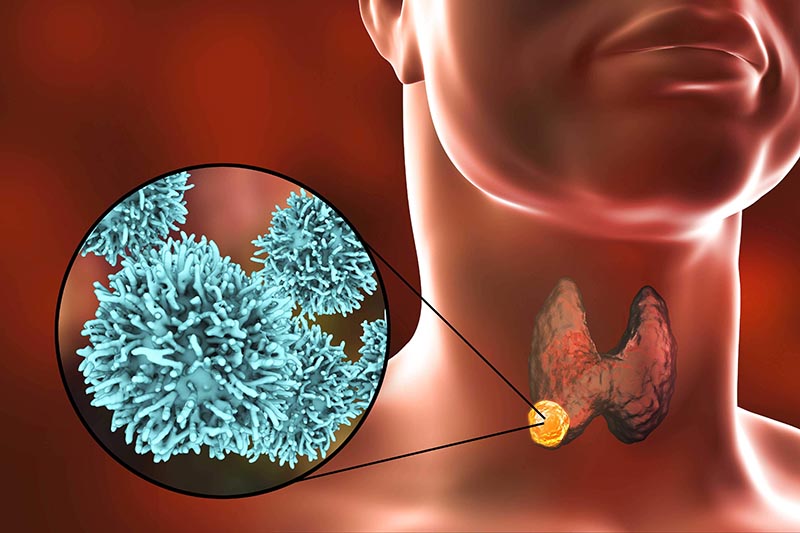
The thyroid may be small, but its role in the body is massive. This butterfly-shaped gland, located at the base of your neck, controls how your body uses energy. It regulates metabolism, heart rate, body temperature, mood, and even how your brain functions.
When the thyroid is not working properly—whether it’s underactive (hypothyroidism) or overactive (hyperthyroidism) - your body doesn’t stay silent. Instead, it begins to send signals. The problem is that many of these symptoms are subtle, gradual, and easy to ignore.
Understanding these warning signs can help you detect imbalances early and take action before they affect your overall health.
Why the Thyroid Matters So Much
Your thyroid produces hormones (mainly T3 and T4) that influence nearly every organ in your body. When hormone levels are too low or too high, your entire system can fall out of balance.
👉 This is why thyroid issues can affect everything—from your weight and energy levels to your skin, hair, and emotions.

Common Warning Signs of Thyroid Imbalance
1. Unexplained Changes in Weight
One of the most noticeable signs of thyroid dysfunction is sudden weight change without major changes in diet or lifestyle.
-
Weight gain may be linked to hypothyroidism (slow metabolism)
-
Weight loss may be linked to hyperthyroidism (fast metabolism)
👉 If your weight shifts unexpectedly, your thyroid may be involved.
2. Constant Fatigue or Restlessness
Thyroid problems can affect your energy levels in different ways:
-
Hypothyroidism: Persistent fatigue, sluggishness, low energy
-
Hyperthyroidism: Restlessness, anxiety, difficulty relaxing
Even with enough sleep, you may feel like your energy is never stable.
3. Changes in Heart Rate
Your thyroid directly impacts your cardiovascular system.
-
A slow heart rate may signal an underactive thyroid
-
A rapid or irregular heartbeat may indicate an overactive thyroid
👉 These changes should never be ignored, especially if they occur frequently.
4. Hair Thinning and Skin Changes
Your hair and skin are highly sensitive to hormonal changes.
You may notice:
-
Hair thinning or increased hair loss
-
Dry, rough skin (common in hypothyroidism)
-
Warm, sweaty skin (common in hyperthyroidism)
👉 These are often early signs that your hormones are out of balance.
5. Sensitivity to Temperature
People with thyroid issues often feel unusually sensitive to temperature.
-
Feeling cold all the time may be linked to hypothyroidism
-
Feeling overheated or sweating excessively may point to hyperthyroidism
👉 This happens because your metabolism is directly affected.
6. Mood Changes and Mental Health Symptoms
Thyroid imbalances can significantly impact your mood and mental clarity.
-
Depression, low mood, and brain fog (hypothyroidism)
-
Anxiety, irritability, and nervousness (hyperthyroidism)
👉 Many people don’t realize their emotional changes may have a physical cause.
7. Menstrual and Hormonal Changes
In women, thyroid problems can affect reproductive health.
You may experience:
-
Irregular menstrual cycles
-
Heavier or lighter periods
-
Fertility issues
👉 Hormones in the body are closely interconnected, and the thyroid plays a key role.
8. Swelling in the Neck (Goiter)
In some cases, the thyroid gland itself becomes enlarged, causing visible swelling in the neck.
This may:
-
Feel like tightness in the throat
-
Cause difficulty swallowing
-
Be noticeable when looking in the mirror
👉 This is a direct physical sign that should be checked immediately.
Why These Signs Are Often Overlooked
One of the biggest challenges with thyroid disorders is that the symptoms are often:
-
Gradual
-
Non-specific
-
Similar to stress or lifestyle issues
People may assume:
-
“I’m just tired”
-
“It’s probably stress”
-
“I need more sleep”
But when multiple symptoms appear together, it’s important to look deeper.
When Should You See a Doctor?
If you notice several of these symptoms—especially if they persist—it’s important to seek medical advice.
Doctors can diagnose thyroid issues through:
-
Blood tests (TSH, T3, T4 levels)
-
Physical examination
-
Imaging if necessary
👉 Early diagnosis makes treatment much more effective.
Can Thyroid Problems Be Managed?
Yes. With proper treatment, most thyroid conditions can be managed effectively.
Treatment may include:
-
Medication to regulate hormone levels
-
Lifestyle and dietary adjustments
-
Regular monitoring
👉 The key is early detection and consistent care.

Final Thoughts
Your thyroid plays a silent but powerful role in your health. When it’s out of balance, your body will let you know—but often in quiet, subtle ways.
From fatigue and weight changes to mood swings and hair loss, these signs are not random. They are messages.
Pay attention to patterns, listen to your body, and don’t ignore persistent changes.
Because sometimes, what seems like a small issue is actually your body asking for help.