White rice has long been a staple food across cultures, but it is often criticized for its potential to raise blood sugar levels. For individuals managing diabetes or monitoring their glucose intake, rice is frequently viewed with caution. However, emerging research and nutritional insights suggest that the way rice is prepared may influence how the body processes it. The claim that white rice “doesn’t spike blood sugar” when prepared a certain way is not entirely accurate—but there is some scientific basis behind the idea.
Why White Rice Raises Blood Sugar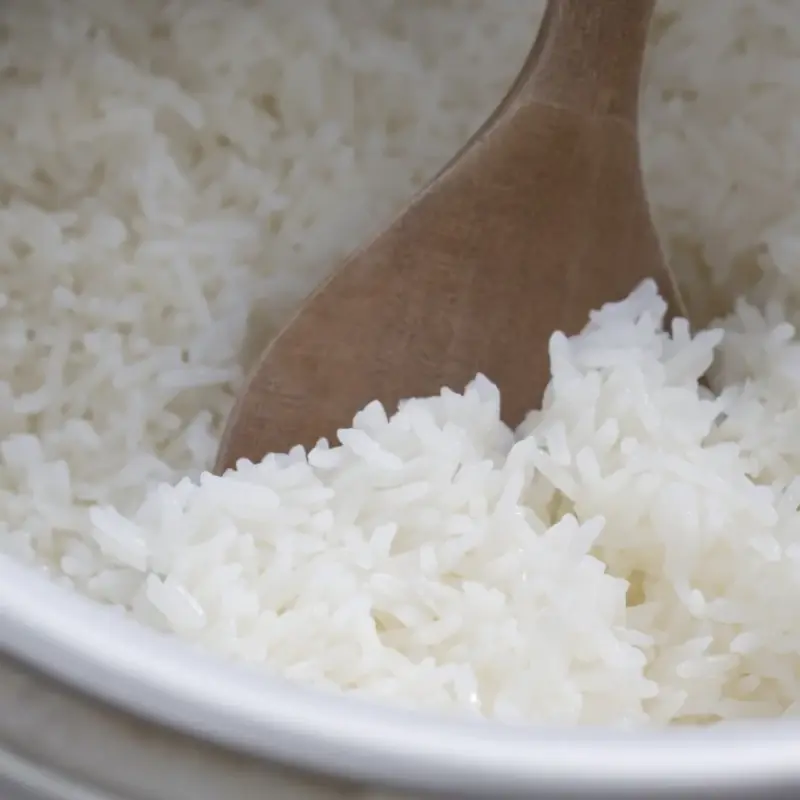
White rice is considered a high glycemic index (GI) food, meaning it is rapidly digested and absorbed by the body. This quick breakdown leads to a rise in blood glucose levels shortly after consumption.
Unlike whole grains, white rice has had its bran and germ removed during processing, stripping away much of its fiber. Fiber plays a critical role in slowing digestion, which is why refined grains like white rice tend to have a stronger impact on blood sugar.
The Science Behind Cooking Methods
Recent studies have explored how certain cooking techniques can alter the structure of starch in rice. One key concept is resistant starch, a type of carbohydrate that resists digestion in the small intestine and behaves more like fiber.
When rice is cooked and then cooled, some of its digestible starch is converted into resistant starch through a process known as retrogradation. This change can reduce the glycemic impact of the rice when it is later consumed.
For example, cooking rice and allowing it to cool in the refrigerator for several hours—then reheating it before eating—may result in a slower rise in blood sugar compared to freshly cooked rice.
Adding Fats During Cooking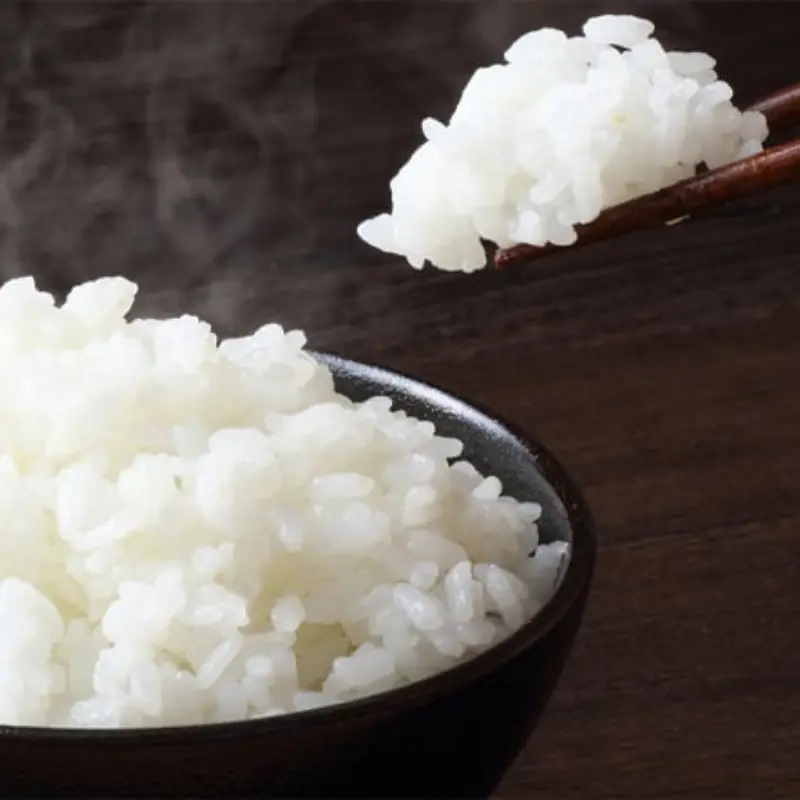
Another method that has gained attention involves adding a small amount of healthy fat, such as coconut oil, during the cooking process. Some research suggests that combining fat with rice may further increase the formation of resistant starch.
While this method has shown promise in controlled studies, experts caution that the effect may vary depending on the type of rice and individual metabolism. It is not a guaranteed way to eliminate blood sugar spikes entirely.
Does This Mean Rice Is “Safe”?
Despite these findings, nutritionists emphasize that white rice still affects blood sugar levels. Preparation methods may reduce the impact, but they do not completely eliminate it.
Portion size remains a critical factor. Even rice prepared to increase resistant starch can raise blood glucose if consumed in large quantities. For individuals with diabetes or insulin resistance, careful monitoring is still essential.
Balancing Rice in a Healthy Diet
Experts recommend pairing rice with other foods that help moderate blood sugar response. These include:
-
Protein sources such as chicken, fish, or legumes
-
Healthy fats like avocado or olive oil
-
Fiber-rich vegetables such as leafy greens or broccoli
Combining rice with these foods can slow digestion and lead to a more gradual rise in blood glucose.
Brown Rice vs. White Rice
Brown rice is often suggested as a healthier alternative due to its higher fiber content and lower glycemic index. However, white rice can still be part of a balanced diet when consumed in moderation and prepared thoughtfully.
The choice between white and brown rice ultimately depends on individual preferences, dietary needs, and overall eating patterns.
What Experts Say
Nutrition professionals stress that no single cooking method can completely change the fundamental nature of a food. While techniques like cooling and reheating rice may offer modest benefits, they should be viewed as part of a broader strategy rather than a standalone solution.
Managing blood sugar effectively involves a combination of diet, physical activity, and medical guidance—not just how one ingredient is prepared.
Conclusion
The idea that white rice can be made “blood sugar-friendly” through specific preparation methods contains a grain of truth, but it should not be overstated. Cooking, cooling, and combining rice with other nutrients may help reduce its glycemic impact, but they do not eliminate it entirely.
For those looking to enjoy rice while maintaining stable blood sugar levels, the key lies in moderation, balanced meals, and informed choices. Understanding how preparation affects food is valuable—but it is only one piece of the larger nutritional picture.