A blackened toenail can be both painful and concerning. While many cases are harmless and temporary, others may indicate more serious health issues. Medical experts emphasize the importance of understanding the underlying cause rather than ignoring the symptom.
The discoloration typically appears as a dark purple, brown, or black patch beneath the nail. In some cases, the entire nail may change color or even detach.
What Causes a Black Toenail?
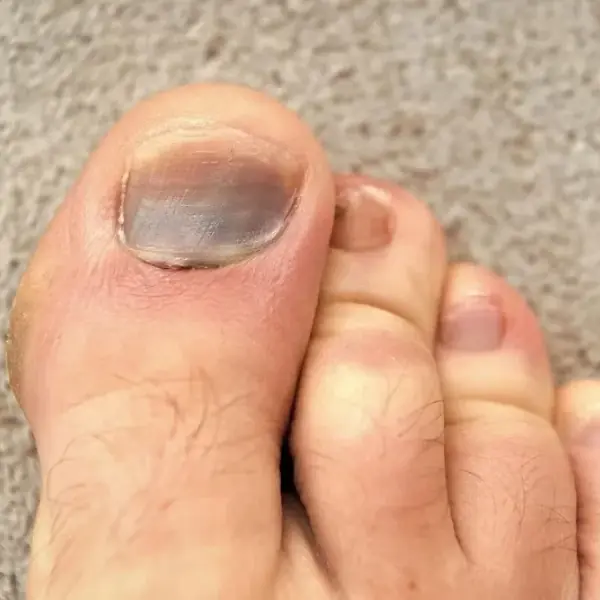
There are several possible explanations for a black toenail, ranging from minor injuries to medical conditions.
1. Trauma or Injury
The most common cause is trauma, such as stubbing your toe or wearing tight shoes. This can lead to bleeding under the nail, known as a subungual hematoma. Runners and athletes frequently experience this due to repeated pressure on the toes.
2. Fungal Infection
Fungal infections can cause nails to thicken, discolor, and become brittle. Although more often associated with yellowing, advanced infections may turn nails dark.
3. Repetitive Pressure
Activities like running, hiking, or wearing ill-fitting footwear can create repeated stress on the toenail. Over time, this can damage blood vessels beneath the nail, causing discoloration.
4. Underlying Medical Conditions
Certain conditions, such as diabetes or circulation problems, can affect nail health. Reduced blood flow may contribute to abnormal nail color and slow healing.
5. Melanoma (Rare but Serious)
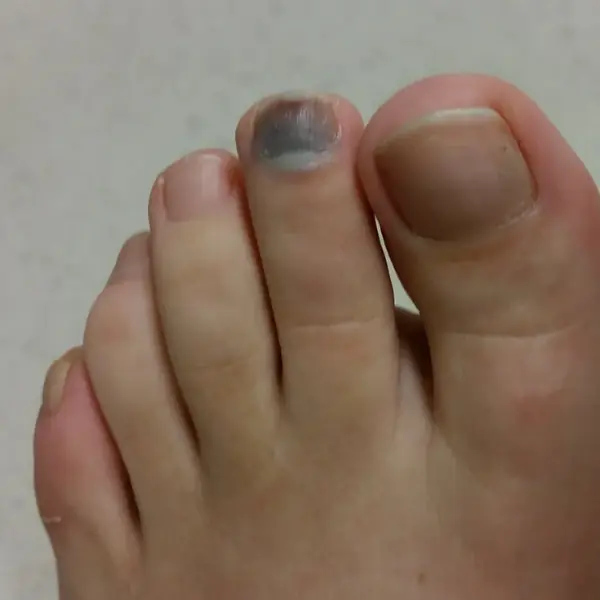
In rare cases, a black toenail could be a sign of melanoma, a type of skin cancer. Unlike bruising, melanoma often appears as a dark streak that does not grow out with the nail.
How to Tell the Difference
Understanding the cause is key to determining the appropriate response.
- Injury-related discoloration usually follows a known incident and may be painful.
- Fungal infections often develop gradually and affect multiple nails.
- Melanoma may appear without injury and persist or worsen over time.
If the discoloration spreads, changes shape, or is accompanied by other symptoms, medical evaluation is recommended.
What You Can Do at Home
For minor cases caused by injury or pressure, simple care measures may help:
- Rest the affected foot to prevent further damage
- Apply ice to reduce swelling and discomfort
- Wear comfortable shoes with adequate space for toes
- Keep the nail clean and dry
In many cases, the damaged nail will gradually grow out over several months.
When to See a Doctor
Medical attention is necessary if you notice:
- Severe pain or swelling
- Signs of infection (pus, redness, warmth)
- Discoloration that does not improve
- A dark streak that spreads or changes shape
- No history of injury
Doctors may perform an examination, imaging, or lab tests to determine the cause and recommend treatment.
Treatment Options
Treatment depends on the underlying cause:
- Subungual hematoma: In some cases, a doctor may relieve pressure by draining blood under the nail.
- Fungal infections: Antifungal medications, either topical or oral, may be prescribed.
- Serious conditions: If melanoma or another disease is suspected, further testing and specialized care are required.
Early intervention can prevent complications and improve outcomes.
Prevention Tips
Preventing black toenails often involves simple lifestyle adjustments:
- Choose properly fitting shoes
- Trim nails regularly and correctly
- Keep feet clean and dry
- Use protective footwear during sports
- Monitor foot health, especially if you have diabetes
These steps can significantly reduce the risk of injury and infection.
Conclusion
A black toenail is often the result of minor trauma or pressure, but it should never be ignored. While many cases resolve on their own, persistent or unusual symptoms may indicate a more serious issue.
Health experts advise paying attention to changes in nail appearance and seeking medical advice when necessary. Early diagnosis and proper care can ensure both your comfort and long-term health.