Many people experience dry mouth at night, often dismissing it as a minor inconvenience. However, health experts warn that persistent dryness—especially during sleep—may be a sign of underlying conditions that require attention.
Medically known as xerostomia, dry mouth occurs when the salivary glands do not produce enough saliva. Since saliva plays a key role in digestion, oral health, and infection prevention, reduced production can have broader health implications.
Why Saliva Matters

Saliva is essential for maintaining oral health. It helps:
- Wash away food particles
- Neutralize acids in the mouth
- Prevent bacterial growth
- Aid digestion
A lack of saliva not only causes discomfort but can also increase the risk of tooth decay, gum disease, and infections.
8 Possible Causes of Dry Mouth at Night
Experts identify several common reasons why dry mouth may occur during sleep:
1. Mouth Breathing
One of the most frequent causes is breathing through the mouth instead of the nose. This often happens due to nasal congestion, allergies, or structural issues.
2. Dehydration
Not drinking enough fluids during the day can lead to reduced saliva production at night. Even mild dehydration can have noticeable effects.
3. Medications
Many common medications—such as antihistamines, antidepressants, and blood pressure drugs—list dry mouth as a side effect.
4. Sleep Apnea
Obstructive sleep apnea, a condition characterized by interrupted breathing during sleep, is often associated with dry mouth due to frequent mouth breathing.
5. Acid Reflux (GERD)
Gastroesophageal reflux disease can cause stomach acid to travel upward, irritating the throat and contributing to dryness and discomfort.
6. Diabetes
Uncontrolled blood sugar levels may lead to dehydration and reduced saliva production, making dry mouth a potential warning sign.
7. Smoking or Alcohol Use
Both smoking and alcohol can reduce saliva production and irritate oral tissues, worsening dryness at night.
8. Aging and Hormonal Changes
As people age, changes in salivary gland function can occur. Hormonal shifts may also play a role in reduced saliva production.
When Should You Be Concerned?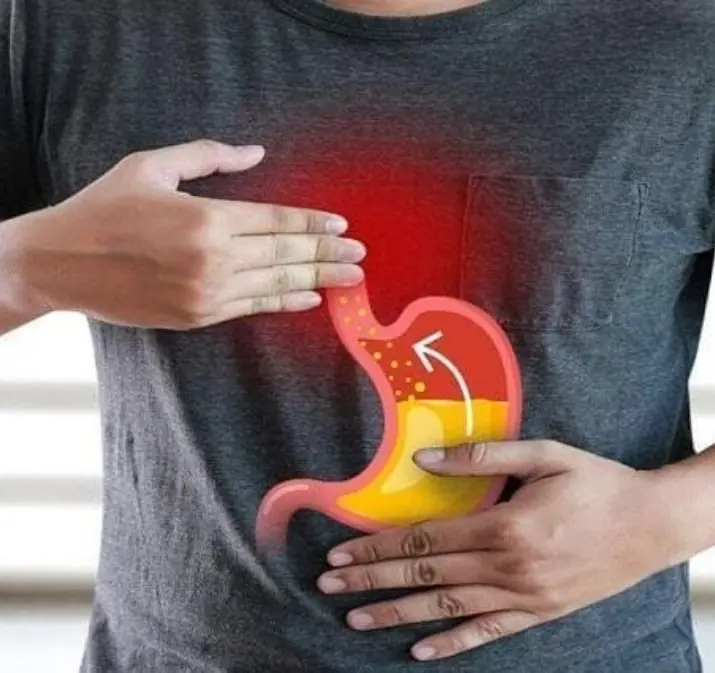
Occasional dry mouth is usually not a cause for alarm. However, persistent symptoms may require medical evaluation, especially if accompanied by:
- Difficulty swallowing
- Frequent thirst
- Bad breath
- Cracked lips or sore throat
- Sleep disturbances
Ignoring these signs could allow underlying conditions to worsen over time.
How to Reduce Dry Mouth at Night
Experts recommend several practical steps to manage and prevent dry mouth:
- Stay hydrated: Drink water regularly throughout the day
- Use a humidifier: Adding moisture to the air can help reduce dryness
- Avoid alcohol and caffeine before bed
- Practice nasal breathing: Treat underlying congestion if necessary
- Maintain good oral hygiene
In some cases, doctors may recommend saliva substitutes or adjust medications.
The Link Between Sleep and Overall Health
Dry mouth is often connected to broader sleep issues. Conditions like sleep apnea not only disrupt breathing but can also affect heart health, energy levels, and cognitive function.
Addressing nighttime symptoms early can improve both sleep quality and overall well-being.
Conclusion
While dry mouth at night may seem like a minor annoyance, it can be an important signal from the body. From dehydration to more serious conditions like sleep apnea or diabetes, the causes vary widely.