Foodborne parasites remain a global health concern, affecting millions of people each year. While modern food safety standards have reduced risks in many countries, certain foods—especially when improperly handled or undercooked—can still carry dangerous organisms.
Medical experts warn that infections caused by parasites may lead to digestive issues, fatigue, and, in severe cases, long-term complications. Understanding which foods pose higher risks is key to prevention.
What Are Foodborne Parasites?
Parasites are organisms that live in or on a host, often deriving nutrients at the host’s expense. In food, parasites may be present in raw or undercooked meat, seafood, or contaminated produce.
Common types include:
- Roundworms
- Tapeworms
- Protozoa such as Giardia
These organisms can enter the body through ingestion and may remain undetected for extended periods.
4 Foods Commonly Associated With Parasite Risks
Doctors highlight several types of food that are more likely to carry parasites if not properly prepared.
1. Raw or Undercooked Seafood
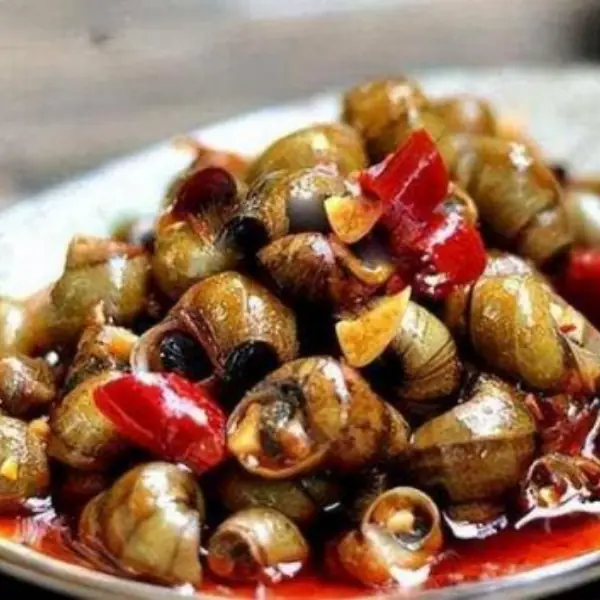
Seafood, particularly shellfish and freshwater fish, can harbor parasites if not cooked thoroughly. Dishes such as raw oysters or certain types of sushi may increase exposure risk.
2. Undercooked Meat
Beef, pork, and poultry that are not fully cooked may contain parasite larvae. Pork, in particular, has historically been associated with certain parasitic infections when consumed undercooked.
3. Unwashed Fruits and Vegetables
Produce can become contaminated through soil, water, or handling. Without proper washing, parasites and their eggs may remain on the surface.
4. Street Food or Poorly Stored Dishes
Foods prepared in unsanitary conditions or stored at unsafe temperatures can become breeding grounds for harmful organisms, including parasites.
Symptoms of Parasitic Infections
Infections may present a wide range of symptoms, depending on the type of parasite and the individual’s health.
Common signs include:
- Abdominal pain
- Diarrhea or constipation
- Nausea and vomiting
- Unexplained weight loss
- Fatigue
In some cases, symptoms may be mild or mistaken for other digestive issues, delaying diagnosis.
Who Is Most at Risk?
Certain groups are more vulnerable to complications from parasitic infections:
- Children, due to developing immune systems
- Older adults, who may have weaker immunity
- Individuals with chronic illnesses
- Travelers to regions with lower sanitation standards
For these populations, prevention is especially important.
How to Reduce Your Risk
Experts emphasize that simple precautions can significantly lower the risk of infection:
- Cook food thoroughly, especially meat and seafood
- Wash fruits and vegetables carefully before consumption
- Avoid cross-contamination in the kitchen
- Drink clean, safe water
- Be cautious with raw or street foods, particularly when traveling
Proper food handling and hygiene are the most effective defenses.
When to Seek Medical Attention
If symptoms persist or worsen, medical evaluation is essential. Doctors may perform stool tests, blood tests, or imaging to identify the presence of parasites.
Early treatment—often involving antiparasitic medications—can prevent complications and speed recovery.
The Role of Public Awareness
Public health experts stress the importance of awareness in reducing foodborne illnesses. While modern food systems have improved safety, individual habits still play a crucial role.
Education about proper cooking, hygiene, and food sourcing can help prevent infections and protect long-term health.
Conclusion
While the idea of parasites in food can be unsettling, the risk can be managed with informed choices and proper preparation. By understanding which foods carry higher risks and adopting safe eating practices, individuals can significantly reduce their chances of infection.
Doctors emphasize a clear message: vigilance in food handling and preparation is essential—not just for comfort, but for overall health and safety.