A washing machine is supposed to make some noise - especially during the spin cycle but when that noise becomes unusually loud, it’s often a sign that something isn’t right. Ignoring it can lead to bigger problems, costly repairs, or even permanent damage to the appliance.
If your washing machine suddenly starts making banging, grinding, or rattling sounds while spinning, don’t panic. In many cases, the issue can be identified and fixed with a few simple steps.
Why the Spin Cycle Is the Noisiest Phase
The spin cycle is when your washing machine rotates at high speed to remove water from clothes. Because of this intense motion, any imbalance or loose component becomes more noticeable.
Common sounds during this phase include:
- Loud banging or thumping
- Grinding or scraping noises
- High-pitched squealing
- Vibrations or shaking
Each type of noise can point to a different underlying issue.

1. Check for an Unbalanced Load
One of the most common causes of noise is an unbalanced load.
If heavy items like towels, blankets, or jeans are clumped on one side of the drum, the machine struggles to spin evenly. This leads to:
- Loud thumping
- Excessive shaking
- Movement of the entire machine
What to do:
- Pause the machine
- Redistribute the clothes evenly
- Avoid washing a single bulky item alone
Balancing the load is often the quickest and easiest fix.
2. Make Sure the Machine Is Level
If your washing machine isn’t sitting evenly on the floor, it can wobble during the spin cycle.
Signs:
- Machine “walking” or shifting position
- Constant vibration
- Noise even with a balanced load
Solution:
- Check the feet at the bottom of the machine
- Adjust them until the machine sits flat
- Use a level tool if available
A stable base is essential for smooth operation.
3. Inspect for Loose Objects Inside the Drum
Sometimes the noise isn’t from the machine itself, but from foreign objects trapped inside.
Items like:
- Coins
- Buttons
- Keys
…can get stuck in the drum or filter and cause rattling or grinding sounds.
What to do:
- Check pockets before washing
- Inspect the drum and rubber seal
- Clean the filter regularly
Removing these objects can instantly eliminate the noise.
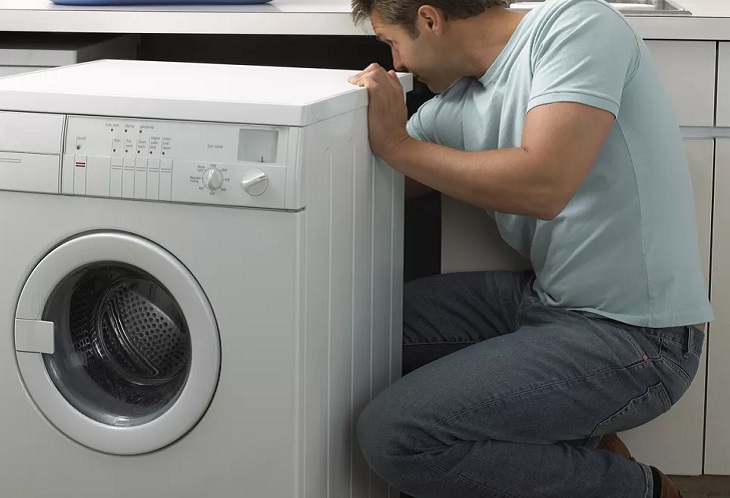
4. Examine the Drum Bearings
If you hear a deep grinding or rumbling sound, especially during high-speed spinning, the drum bearings may be worn out.
Bearings help the drum rotate smoothly. Over time, they can:
- Wear down
- Rust
- Lose lubrication
Signs of worn bearings:
- Loud rumbling noise
- Noise gets worse over time
- Drum feels loose when moved by hand
Solution:
- This usually requires professional repair or part replacement
5. Check the Shock Absorbers or Suspension
Washing machines use shock absorbers or suspension rods to stabilize the drum during spinning.
If these components are worn or damaged, the machine may:
- Bounce excessively
- Make loud banging noises
- Become unstable
What to do:
- Inspect for visible damage
- Replace worn parts if necessary
This issue is more common in older machines.
6. Inspect the Drive Belt
A worn or loose drive belt can cause:
- Squealing noises
- Slipping during spin
- Reduced performance
Solution:
- Check if the belt is loose or cracked
- Replace it if needed
This is a relatively affordable fix compared to other repairs.
7. Remove Shipping Bolts (For New Machines)
If your washing machine is new and making loud noises, the problem might be shipping bolts.
These bolts are used to secure the drum during transportation and must be removed before use.
Signs:
- Extremely loud banging
- Violent shaking
Fix:
- Check the back of the machine
- Remove all shipping bolts according to the manual
When Should You Call a Professional?
While many issues can be fixed at home, you should consider professional help if:
- The noise persists after basic troubleshooting
- You suspect internal damage (bearings, motor)
- The machine leaks or stops functioning properly
Trying to fix complex internal parts without experience may cause further damage.
How to Prevent Future Noise Problems
To keep your washing machine running smoothly:
- Avoid overloading the drum
- Wash similar-weight items together
- Clean the filter regularly
- Keep the machine level
- Perform routine maintenance
Simple habits can extend the lifespan of your appliance and reduce the risk of noise issues.
Final Thoughts
A noisy washing machine during the spin cycle is often a warning sign - but not always a serious one. In many cases, the issue is something simple like an unbalanced load or an uneven surface.
By identifying the type of noise and following the right steps, you can often fix the problem quickly and avoid costly repairs.
Pay attention to the sounds your machine makes — because sometimes, a little noise is your appliance’s way of asking for help.