The World’s “Deadliest Food”? Why Cassava Can Be Dangerous If Prepared Wrong
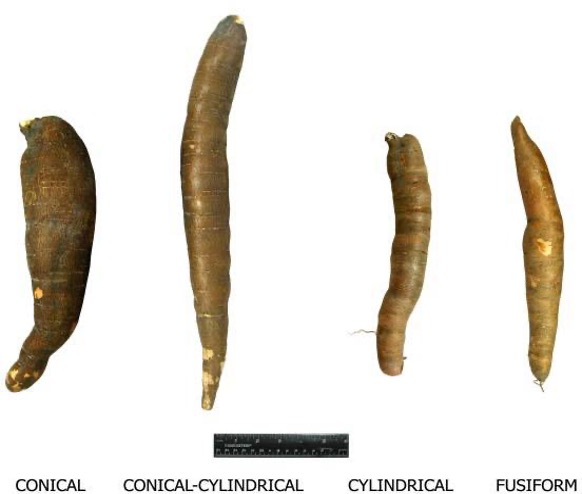
At first glance, the food in the image looks simple, even harmless. It’s a common staple in many parts of the world — especially in Africa, South America, and Southeast Asia. But what many people don’t realize is that this food, cassava (also known as manioc or yuca), can become deadly if not prepared properly.
Every year, hundreds of people suffer serious poisoning — and some even die — due to improper processing of cassava. Yet, millions continue to eat it daily without issue.
So what’s going on here?
What Is Cassava?


Cassava is a root vegetable rich in carbohydrates. It’s widely used to make:
- Tapioca
- Cassava flour
- Boiled or steamed root dishes
It’s cheap, filling, and a major food source for over 800 million people worldwide.
Why Can Cassava Be Dangerous?
The danger comes from naturally occurring compounds called cyanogenic glycosides.
👉 When cassava is raw or improperly processed, these compounds can release cyanide, a toxic substance that interferes with the body’s ability to use oxygen.
Types of Cassava: Sweet vs. Bitter


Not all cassava is equally dangerous:
1. Sweet Cassava
- Lower levels of toxins
- Safe when peeled and cooked properly
2. Bitter Cassava
- Much higher cyanide content
- Requires thorough processing (soaking, fermenting, drying)
👉 Consuming bitter cassava without proper preparation is where most poisoning cases occur.
Symptoms of Cassava Poisoning

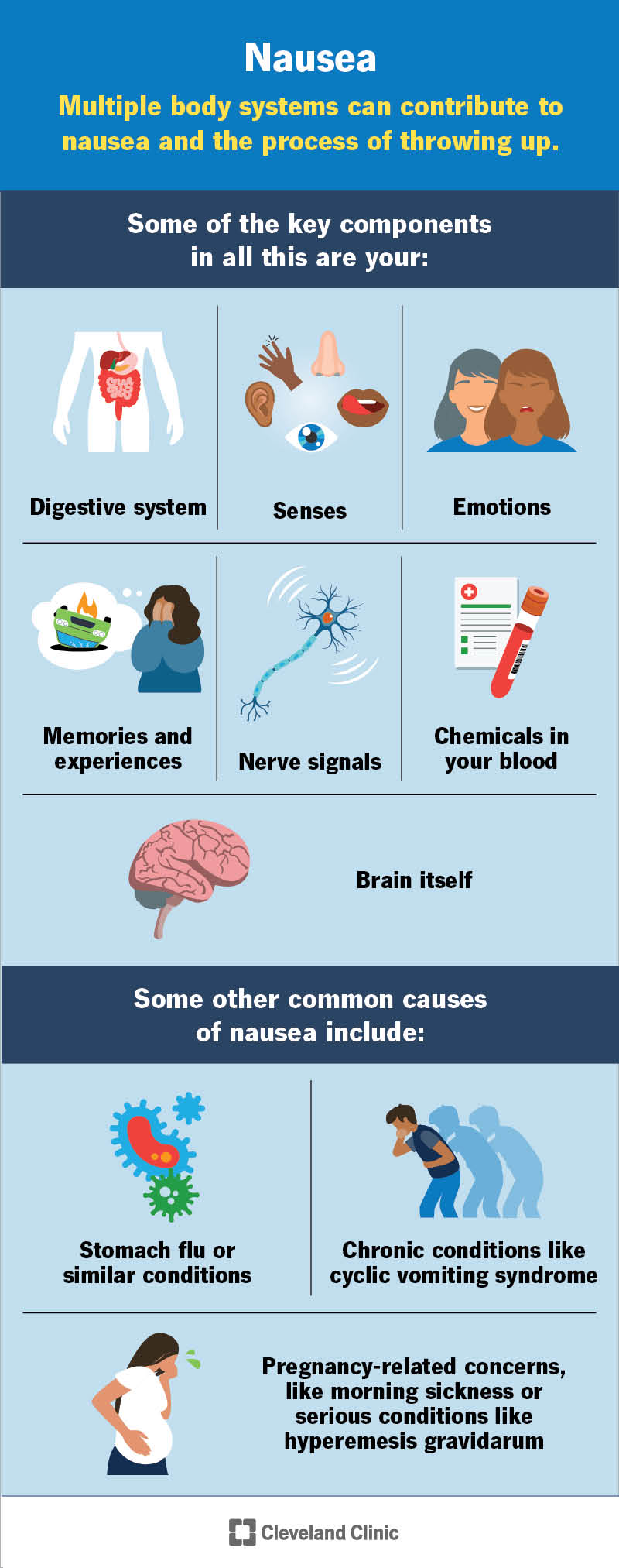

If cassava is not prepared correctly, symptoms can appear quickly:
- Nausea and vomiting
- Dizziness and headache
- Difficulty breathing
- Rapid heart rate
- In severe cases: paralysis or death
Chronic exposure (small amounts over time) can also lead to long-term neurological disorders.
Why Do People Still Eat It?
Despite the risks, cassava remains a staple food because:
- It grows easily in poor soil
- It’s drought-resistant
- It provides a reliable calorie source
In many regions, people have traditional knowledge on how to safely prepare cassava — which is why millions consume it daily without harm.
How to Eat Cassava Safely

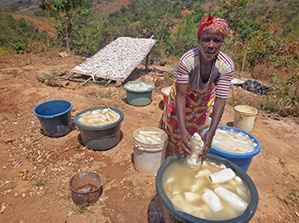

To reduce toxicity, proper preparation is essential:
Safe steps include:
- Peel thoroughly (toxins are concentrated in the skin)
- Soak in water for hours or days
- Boil or cook completely (never eat raw)
- Ferment or dry for bitter varieties
👉 Never consume raw cassava.
Final Thoughts
Cassava is a perfect example of how context matters in nutrition.
It’s not inherently “deadly” — but it becomes dangerous when:
- It’s prepared incorrectly
- Traditional processing steps are skipped
- People are unaware of the risks
The Real Lesson
Even everyday foods can be harmful if used the wrong way.
Understanding how to prepare and consume food properly is just as important as choosing what to eat.