
Always Waking Up at 3–4 AM? 4 Possible Health-Related Causes
Can’t Stay Asleep Past 3 AM? These 4 Possible Causes May Explain Why
Fresh juices made from fruits and vegetables can be colorful, refreshing, and packed with vitamins, minerals, and plant compounds. That’s probably why combinations such as grapefruit and carrot juice for cholesterol, beetroot juice for anemia, green juice for sleep, and berry juice for immune health are so popular online.
The image above presents four combinations:
Cholesterol: Grapefruit + carrot
Anemia: Beetroot + carrot + ginger
Insomnia: Lettuce + “Chemo” + ginger
Low defenses: Blueberries + tomato + ginger
There’s just one catch: juice is food, not medicine.
These ingredients can certainly contribute useful nutrients to a balanced diet, but drinking a particular juice does not automatically treat high cholesterol, cure anemia, resolve insomnia, or “boost” a weakened immune system.
There’s also an apparent typo or unclear ingredient in the image: “Chemo” is not a standard juice ingredient. It may have been intended to name another fruit or vegetable, so it shouldn’t be treated as a specific recommendation without clarification.
So, what can these drinks realistically offer? Let’s break them down.
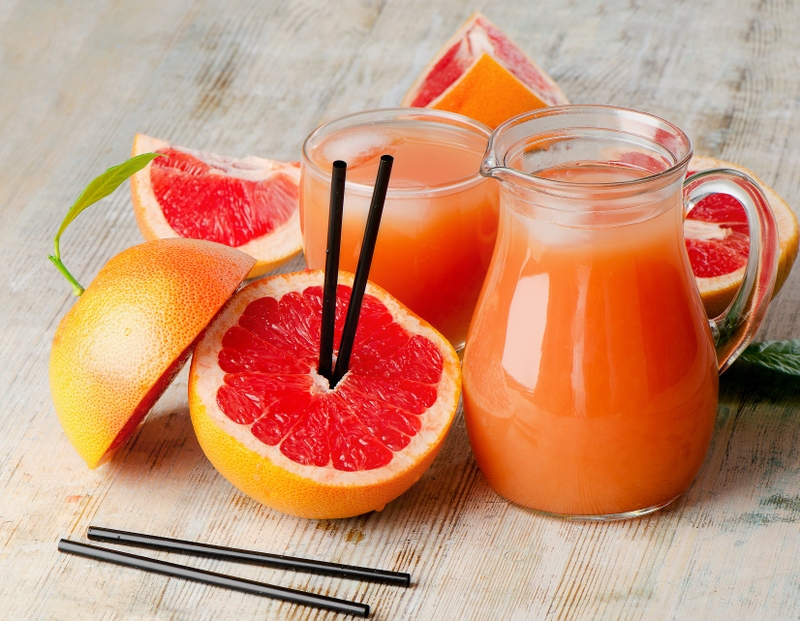
The first combination pairs grapefruit with carrots and labels the drink for cholesterol.
There is some nutritional logic behind the ingredients, but the claim needs context.
Grapefruit provides nutrients and phytochemicals including:
Vitamin C
Potassium
Carotenoids
Flavonoids
Other antioxidant compounds
Whole grapefruit also provides dietary fiber, including soluble fiber.
Fiber is particularly relevant to cholesterol management because certain forms of soluble fiber can help reduce the absorption of cholesterol and bile acids in the digestive system.
However, juicing removes much of the fiber, depending on how the drink is prepared.
This means eating a whole grapefruit may offer an advantage over drinking strained grapefruit juice when fiber intake is the goal.
Carrots are best known for their high concentration of beta-carotene, a carotenoid the body can convert into vitamin A.
They also provide:
Potassium
Vitamin K
Various antioxidants
Fiber when eaten whole
Carrots are an excellent addition to a heart-supportive dietary pattern, but carrot juice shouldn't be viewed as a cholesterol-lowering medication.
For someone with elevated LDL cholesterol, strategies with stronger evidence include:
Increasing soluble fiber, particularly from foods such as oats, barley, beans, lentils, fruits, and certain vegetables.
Replacing saturated fats with unsaturated fats from foods such as nuts, seeds, olive oil, avocado, and fish.
Exercising regularly and maintaining an appropriate body weight can also help.
And when cholesterol levels are sufficiently high, medication may be necessary.
This deserves special attention.
Grapefruit and grapefruit juice can interfere with enzymes and transporters involved in the metabolism of certain medications.
As a result, grapefruit can cause the amount of some drugs in the bloodstream to become too high—or otherwise alter drug exposure.
Interactions can occur with certain medications used for conditions such as:
High cholesterol
High blood pressure
Heart rhythm disorders
Organ transplantation
Anxiety and other conditions
Not every medication in these categories interacts with grapefruit.
But if you regularly take prescription medication, check with your pharmacist or healthcare professional before making grapefruit juice a daily habit.
Ironically, someone drinking grapefruit juice specifically because they have high cholesterol could potentially be taking a medication that interacts with grapefruit.
The second combination is marketed for anemia.
This is a perfect example of why we need to distinguish between a nutritious food and an actual treatment.
Anemia occurs when your blood doesn't have enough healthy red blood cells or hemoglobin to adequately transport oxygen.
Possible symptoms include:
Fatigue
Weakness
Shortness of breath
Dizziness
Headaches
Pale skin
Rapid heartbeat
But anemia isn't one single disease.
There are many possible causes.
Iron deficiency is a common cause of anemia, but anemia may also result from:
Vitamin B12 deficiency
Folate deficiency
Chronic kidney disease
Chronic inflammation
Blood loss
Genetic blood disorders
Bone marrow disorders
Other medical conditions
Therefore, drinking beetroot juice without determining the cause isn't an appropriate treatment strategy.
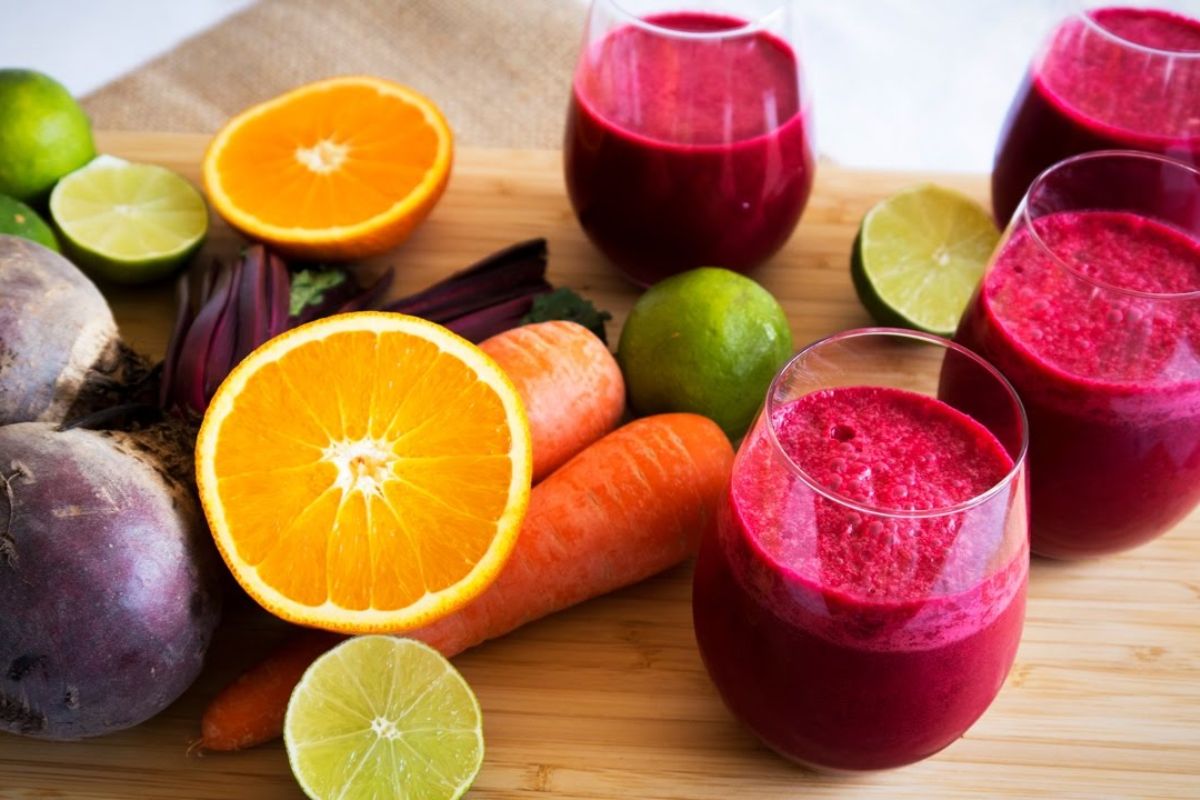
Beetroot's deep red color has probably contributed to its reputation as a “blood-building” food.
But color doesn't determine how effectively a food treats anemia.
Beetroot provides useful nutrients such as:
Folate
Potassium
Manganese
Nitrates
Various plant compounds
Dietary nitrates are especially interesting because the body can convert them into nitric oxide, which helps regulate blood vessel function.
Beetroot has therefore received considerable research attention for its potential effects on blood pressure and exercise performance.
But beetroot juice isn't an established replacement for iron therapy in iron-deficiency anemia.
Carrots provide beta-carotene and other carotenoids.
They're nutritious, but they aren't particularly famous as concentrated iron sources.
Combining beetroot and carrots creates a nutrient-rich drink, but the beverage shouldn't be described as a guaranteed anemia cure.
Ginger contains bioactive compounds such as gingerols and has been extensively studied for nausea and other potential effects.
It can also make vegetable juices more flavorful.
But ginger isn't a replacement for iron, vitamin B12, folate, or other treatments required for specific types of anemia.
If iron deficiency has been confirmed, dietary iron can come from foods such as:
Meat
Poultry
Seafood
Heme iron is generally absorbed more efficiently.
Lentils
Beans
Tofu
Seeds
Leafy greens
Fortified cereals
Vitamin C can enhance the absorption of non-heme iron.
For example:
Lentils + bell peppers + tomatoes + lemon juice
can be a useful combination.
Some people with iron-deficiency anemia will still require iron supplementation, particularly when deficiency is significant.
Most importantly, doctors may need to determine why the iron deficiency occurred in the first place, especially if there is unexplained blood loss.
The third drink in the image is labeled for insomnia and lists lettuce, ginger, and an unclear ingredient written as “Chemo.”
Because “Chemo” isn't a recognizable standard food ingredient in this context, we'll focus on lettuce and ginger.
Lettuce has occasionally been promoted online as a natural sleep remedy.
Some of this interest comes from compounds found in lettuce and related plants that have been studied experimentally for possible sedative effects.
But this doesn't establish that drinking ordinary lettuce juice will reliably treat clinical insomnia.
There is currently insufficient evidence to recommend lettuce juice as a primary insomnia treatment.
That said, a caffeine-free vegetable drink in the evening may fit into a relaxing bedtime routine for some people.
The routine may be more useful than the lettuce itself.
Ginger isn't primarily considered a sleep-promoting food.
Some people enjoy warm ginger drinks because they find them soothing.
But ginger doesn't work like a sleeping medication.
And for people prone to heartburn or digestive irritation, consuming large amounts close to bedtime may not always be comfortable.
If you regularly have trouble sleeping, start with basic sleep hygiene.
Try to:
Go to bed and wake up at consistent times.
Keep the bedroom dark, quiet, and comfortable.
Avoid excessive caffeine late in the day.
Reduce alcohol close to bedtime.
Exercise regularly.
Avoid long or late naps if they interfere with nighttime sleep.
Create a consistent wind-down routine.
For chronic insomnia, cognitive behavioral therapy for insomnia (CBT-I) is a well-established treatment.
A green juice may be enjoyable, but it shouldn't replace proper evaluation when insomnia becomes persistent.
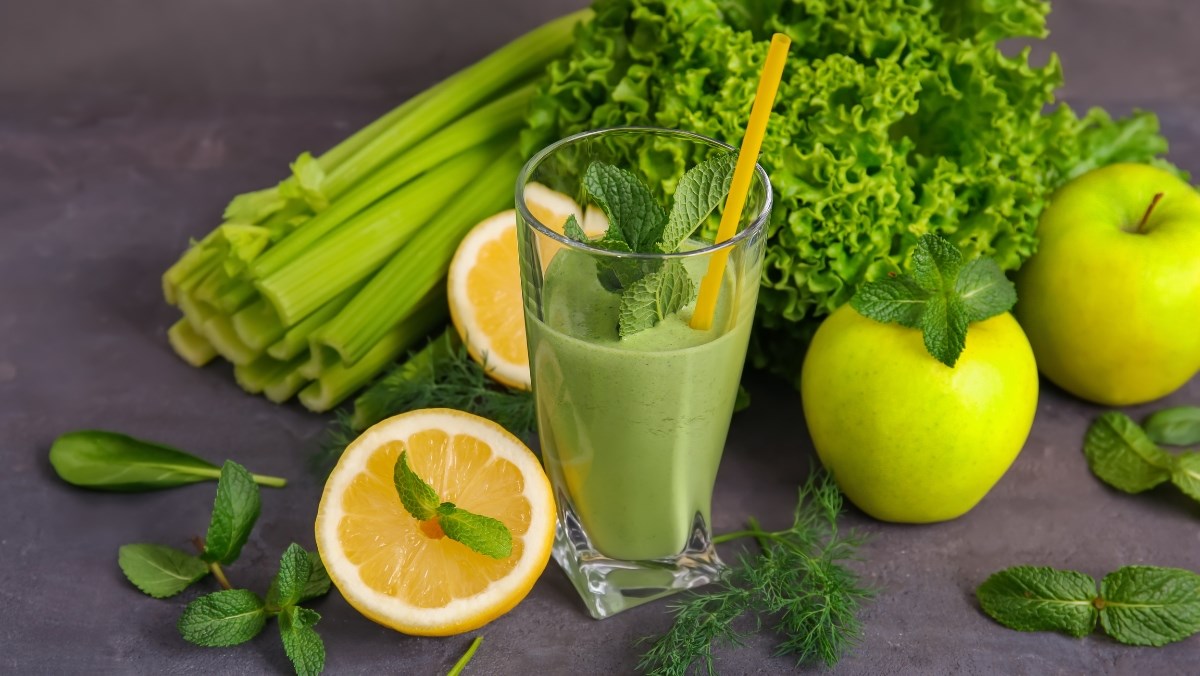
The final combination is labeled “low defenses,” presumably referring to immune function.
This combination includes blueberries, tomato, and ginger.
All three are nutritious foods.
But can they really “boost” immunity?
The phrase itself needs some unpacking.
Blueberries contain:
Vitamin C
Vitamin K
Fiber
Manganese
Anthocyanins
Anthocyanins are pigments responsible for the blue-purple color of many berries.
They have antioxidant and other biological properties and are widely studied for their potential relationship with cardiovascular and metabolic health.
Blueberries can certainly contribute to a healthy diet.
But drinking blueberry juice doesn't create instant protection against viruses or bacterial infections.
Tomatoes are particularly well known for lycopene, a red carotenoid pigment.
They also provide:
Vitamin C
Potassium
Folate
Other carotenoids
Interestingly, processing and cooking tomatoes can increase the bioavailability of lycopene.
Eating tomatoes with a little healthy fat, such as olive oil, can also aid absorption of fat-soluble carotenoids.
So tomato juice isn't necessarily the only—or even best—way to obtain the beneficial compounds in tomatoes.
Ginger again adds gingerols and other phytochemicals.
It's a flavorful addition and can be part of a nutritious diet.
But describing ginger as an “immune booster” oversimplifies how immunity works.
Not in the simplistic way many viral posts suggest.
Your immune system isn't a muscle that becomes stronger every time you drink a particular juice.
It is an enormously complicated network involving:
White blood cells
Antibodies
Lymphatic tissues
Bone marrow
Signaling molecules
Physical barriers
The gastrointestinal tract
Numerous other biological systems
Your body needs adequate nutrition to maintain these systems.
Important nutrients include:
Protein
Vitamin A
Vitamin C
Vitamin D
Vitamin E
Vitamin B6
Vitamin B12
Folate
Zinc
Selenium
Copper
Iron
A deficiency in certain nutrients can impair normal immune function.
But once nutritional requirements are met, consuming enormous amounts doesn't necessarily make the immune system increasingly powerful.
This is perhaps the biggest nutritional issue with the image.
Fruits and vegetables are healthy.
But fruit and vegetable juice isn't nutritionally identical to whole produce.
When fruits and vegetables are juiced and the pulp is discarded, much of the dietary fiber may be removed.
Fiber matters because it can:
Support digestive health
Promote satiety
Slow carbohydrate absorption
Support healthy cholesterol levels
Feed beneficial gut microorganisms
For example, eating:
An orange + carrots + blueberries
provides considerably more intact fiber than drinking strained juice made from the same ingredients.
If you blend whole fruits and vegetables without straining out the pulp, much of the fiber remains.
That's why smoothies can differ nutritionally from traditional juice.
A balanced smoothie might contain:
Berries
Plain Greek yogurt
Spinach
Chia seeds
Water or milk
This provides:
Fiber
Protein
Vitamins
Minerals
Healthy fats
Adding protein and fiber can also make the drink more filling.
Natural fruit sugar isn't inherently “bad.”
The issue is concentration and portion size.
It may take several pieces of fruit to make one large glass of juice.
Drinking that glass takes only a few minutes, and because much of the fiber may have been removed, it may be less filling than eating the whole fruits.
For someone managing diabetes or blood glucose, portion size becomes particularly important.
Vegetable-heavy juices generally contain less sugar than fruit-dominant combinations, although ingredients still matter.
Another common claim is that vegetable juice “detoxes” the body.
Your body already has sophisticated systems for processing and eliminating metabolic waste and potentially harmful substances.
Major organs involved include the:
Liver
Kidneys
Lungs
Gastrointestinal tract
No juice literally washes toxins out of these organs.
Juice can provide fluids and nutrients.
That's useful enough without giving it magical detox properties.
A small glass of juice by itself often isn't a particularly balanced breakfast.
It may contain carbohydrates and micronutrients but relatively little:
Protein
Healthy fat
Fiber
A more balanced breakfast might include:
Eggs + whole-grain toast + fruit
Plain Greek yogurt + oats + blueberries + nuts
Oatmeal + milk + banana + chia seeds
Whole-grain toast + avocado + egg + tomato
If you enjoy fresh juice, you can have a modest portion alongside the meal rather than treating it as the entire meal.
Juice isn't automatically appropriate for everyone.
Large quantities of fruit juice can raise blood glucose quickly.
Whole fruit is generally preferable because it retains fiber.
As mentioned earlier, grapefruit can interact with multiple medications.
Some juices can contain substantial potassium.
People with advanced kidney disease may need individualized potassium and fluid restrictions.
Certain ingredients can contain significant amounts of oxalate, depending on the recipe and quantity.
Large quantities of certain juices may worsen diarrhea, bloating, reflux, or other gastrointestinal symptoms.
Individual tolerance matters.
Instead of:
Think:
Instead of:
Think:
Instead of:
Think:
Instead of:
Think:
That distinction matters.

If you enjoy juicing, there's no reason you necessarily have to stop.
Instead, improve how you use it.
Use vegetables as the base and smaller amounts of fruit for sweetness.
Possible ingredients include:
Carrot
Tomato
Cucumber
Celery
Beetroot
Then add fruit for flavor.
You don't need a massive bottle.
A smaller serving can complement a meal.
Fruit already contains natural sugars.
There's usually no nutritional reason to add table sugar, syrup, or sweetened condensed milk.
Retaining pulp preserves more fiber.
Juice-only diets can lack adequate:
Protein
Essential fats
Fiber
Certain micronutrients
Overall energy balance
Your teeth may appreciate actual food too.
There's no special beverage that automatically lowers cholesterol.
Water should remain the primary hydration beverage for most people.
Unsweetened tea or coffee can also fit into many healthy diets depending on individual tolerance.
The more important question is what you're eating across the entire day.
For cholesterol management, emphasize:
Oats
Beans
Lentils
Nuts
Seeds
Vegetables
Whole fruits
Whole grains
Fish
Unsaturated fats
And limit excessive saturated and trans fats.
First, determine whether you actually have anemia and what type it is.
A blood test may assess markers such as:
Hemoglobin
Hematocrit
Red blood cell indices
Ferritin
Iron studies
Vitamin B12
Folate
depending on the clinical situation.
Iron-deficiency anemia may require iron replacement and investigation of the underlying cause.
No red-colored juice can substitute for that evaluation.
There's no universally effective sleep drink.
Some people enjoy:
Warm milk
Caffeine-free herbal tea
Water
Another non-caffeinated beverage
But the most important factor may simply be avoiding beverages that interfere with sleep.
Late-day caffeine from:
Coffee
Energy drinks
Strong tea
Cola
can remain active for hours.
And although alcohol may initially make you sleepy, it can disrupt sleep quality later in the night.
Instead of chasing one immune juice, build dietary variety.
Include foods such as:
Citrus fruits
Berries
Bell peppers
Broccoli
Leafy greens
Beans
Lentils
Eggs
Fish
Yogurt
Nuts
Seeds
Whole grains
Protein is particularly important and is sometimes overlooked in “immune-boosting” content.
Your body needs amino acids to build antibodies and many other immune components.
Freshly prepared juice can become contaminated with microorganisms if ingredients or equipment aren't handled properly.
Before juicing:
Wash produce thoroughly.
Wash your hands.
Clean the juicer.
Use clean containers.
Refrigerate leftovers promptly.
People at higher risk of foodborne illness—including pregnant individuals, older adults, young children, and people with weakened immune systems—may need to be especially careful with unpasteurized juice.
If you'd still like to enjoy these combinations simply as nutritious drinks, here are practical versions.
Try:
½ grapefruit
1–2 carrots
Water as needed
Again, avoid grapefruit if it interacts with your medication.
Try:
½ small beet
1–2 carrots
Small piece of fresh ginger
Water
This produces a strongly flavored, colorful drink.
Enjoy it for its nutrients—not as a replacement for anemia treatment.
Instead of using the unclear “Chemo” ingredient from the image, try:
Lettuce
Cucumber
Small amount of ginger
Water
Keep expectations realistic: this is a refreshing vegetable drink, not an insomnia medication.
Try:
Blueberries
Tomato
Very small piece of ginger
Water
Because blueberries are better consumed with their fiber intact, consider blending rather than straining this combination.
The ingredients pictured are mostly nutritious.
The problem is the way the benefits are presented.
Nutrition rarely works as:
One disease = one juice.
Human health is much more complicated.
High cholesterol involves genetics, diet, metabolic health, physical activity, medications, and other factors.
Anemia has multiple possible causes.
Insomnia may involve sleep habits, stress, medications, mental health, sleep disorders, and other conditions.
Immune function depends on nutrition, sleep, vaccination, age, health status, genetics, and many other factors.
A glass of juice cannot override all of that.
Don't rely solely on juice recipes if you're experiencing symptoms suggestive of an underlying medical problem.
Seek medical advice for issues such as:
Persistent unexplained fatigue
Shortness of breath
Dizziness or fainting
Significant paleness
Persistent insomnia
Unexplained weight loss
Recurrent infections
Chest pain
Persistently abnormal cholesterol results
These symptoms deserve proper assessment.
The four juice combinations shown in the image contain ingredients that can absolutely be part of a nutritious diet.
Grapefruit and carrots provide vitamin C, carotenoids, potassium, and other plant compounds.
Beetroot, carrots, and ginger provide folate, nitrates, carotenoids, and numerous phytochemicals.
Lettuce and ginger can make a light, caffeine-free beverage, although evidence that such a drink treats insomnia is limited.
Blueberries, tomatoes, and ginger provide anthocyanins, lycopene, vitamin C, and other bioactive compounds.
But none should be viewed as a guaranteed treatment for cholesterol problems, anemia, insomnia, or impaired immunity.
:quality(75)/nuoc_ep_can_tay_ca_chua_chanh_62bfbc73bb.jpg)
Fresh fruit and vegetable juices can be enjoyable and nutritious—but they work best when viewed as food rather than medicine.
If you like the combinations in this image, enjoy them in sensible portions and make them part of a diet containing plenty of whole fruits, vegetables, legumes, whole grains, protein-rich foods, nuts, seeds, and healthy fats.
Whenever possible, eat or blend whole produce instead of removing all the pulp, because fiber is one of the most valuable components of fruits and vegetables.
And if you're dealing with a genuine medical condition such as anemia, high cholesterol, or persistent insomnia, don't try to solve it exclusively with a juice recipe.
Use nutrition to support your health—but use proper diagnosis and treatment to manage disease.
The best “juice for every need” isn't a miracle drink. It's one small piece of an overall healthy lifestyle.
Can’t Stay Asleep Past 3 AM? These 4 Possible Causes May Explain Why

Waking Up Thirsty With a Dry Mouth? 10 Possible Reasons to Consider

What Happens When You Kiss Someone Who Is Dy.ing?

If You Regularly Pee in the Shower, Here’s What You Should Know
What Your Nails May Be Telling You About Your Health After 40

Your Sleeping Position Matters More Than You Think — Here’s What Right-Side Sleeping May Do

Heel Pain After Resting? Here’s Why Your First Steps Can Hurt So Much

Most People Can Enjoy Okra — But These 3 Groups May Face Unexpected Risks

Changes in Urination? Here Are the Bladder Cancer Warning Signs to Know

Before Scheduling Your Colonoscopy, Here’s What You Should Discuss With Your Doctor… Check Below 👇

Feeling Overwhelmed? 9 Signs Stress May Be Affecting Your Body
Gallbladder Trouble? These Common Symptoms Are Worth Paying Attention To

Early Signs of Nasopharyngeal Can.cer That Are Often Easy to Miss

Leg Cramps Keep Waking You Up at Night? Here’s What Could Be Behind Them

10 Signs That Could Point to Fatty Liver — And When to See a Doctor
Think All Fish Is Healthy? Some Popular Choices Can Be High in Mercury

Feeling Your Heartbeat in Bed? It’s Common — But Sometimes Worth Paying Attention To
Think Eggplant Is Healthy for Everyone? Here’s What You Should Know 🍆

Before a heart attack strikes, your body may send these 7 signals.
Can’t Stay Asleep Past 3 AM? These 4 Possible Causes May Explain Why

Waking Up Thirsty With a Dry Mouth? 10 Possible Reasons to Consider

She Discovered Her Fiancé Had Another Child
What Happens When You Kiss Someone Who Is Dy.ing?
If You Regularly Pee in the Shower, Here’s What You Should Know

The Wedding He Never Deserved
What Your Nails May Be Telling You About Your Health After 40
Your Sleeping Position Matters More Than You Think — Here’s What Right-Side Sleeping May Do
Heel Pain After Resting? Here’s Why Your First Steps Can Hurt So Much

Most People Can Enjoy Okra — But These 3 Groups May Face Unexpected Risks
Changes in Urination? Here Are the Bladder Cancer Warning Signs to Know

You've Probably Been Choosing Chicken the Wrong Way
Before Scheduling Your Colonoscopy, Here’s What You Should Discuss With Your Doctor… Check Below 👇

The Last Gift of Love
Feeling Overwhelmed? 9 Signs Stress May Be Affecting Your Body
Gallbladder Trouble? These Common Symptoms Are Worth Paying Attention To

The Melody That Changed a Homeless Musician’s Life