Despite performing so many important functions, your kidneys can become damaged without producing obvious symptoms in the early stages.
This is one of the reasons kidney disease can be difficult to recognize. Many people feel perfectly healthy while their kidney function gradually declines. By the time noticeable symptoms appear, the condition may already have progressed.
However, certain subtle changes in your body may sometimes provide clues that your kidneys are not working as effectively as they should.
Persistent fatigue, puffy eyes, unusual itching, changes in urine, and unexplained digestive problems are among the symptoms that deserve attention. Although these signs can have many possible causes, they should not be dismissed when they continue without a clear explanation.
Understanding these potential warning signs can help you recognize when it may be time to seek medical advice.
Here are eight hidden symptoms that could point to kidney problems, what may cause them, and how to protect your kidney health.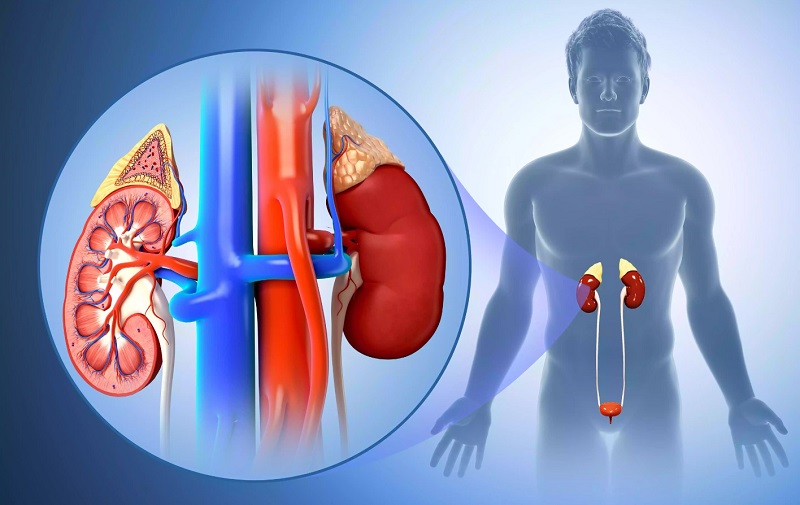
1. Persistent Fatigue That Does Not Improve With Rest
Feeling tired after a busy day is completely normal. However, persistent exhaustion that continues even after getting enough sleep may sometimes be associated with kidney disease.
Your kidneys do more than filter waste from the blood. They also produce a hormone called erythropoietin, which signals your bone marrow to produce red blood cells.
Red blood cells carry oxygen throughout your body, supplying your muscles, brain, and other organs with the oxygen they need to function.
When kidney function declines, erythropoietin production may decrease. This can contribute to anemia, a condition in which your body does not have enough healthy red blood cells.
As oxygen delivery becomes less efficient, you may experience symptoms such as:
-
Feeling exhausted throughout the day.
-
Having less energy for everyday activities.
-
Becoming tired after relatively light exercise.
-
Experiencing dizziness or lightheadedness.
-
Finding it harder to concentrate.
-
Feeling physically weaker than usual.
Some people with advanced kidney disease also experience fatigue because waste products accumulate in the bloodstream and interfere with normal bodily functions.
However, tiredness alone does not indicate kidney disease. Poor sleep, iron deficiency, thyroid disorders, stress, infections, and nutritional deficiencies can produce similar symptoms.
If you feel unusually exhausted for several weeks without an obvious reason, consider arranging a medical evaluation. Blood tests can help identify anemia and assess kidney function.
2. Puffy Eyes, Especially When You Wake Up
Waking up with slightly swollen eyes after a poor night's sleep or a salty dinner is not unusual.
However, persistent puffiness around the eyes may sometimes be associated with a problem involving the kidneys.
One possible explanation is proteinuria, which means that an abnormal amount of protein is present in the urine.
Healthy kidneys contain tiny filtering structures called glomeruli. These structures allow waste products and excess fluid to pass into the urine while retaining important substances, including most proteins, in the bloodstream.
When these filters become damaged, a protein called albumin may leak into the urine.
Albumin helps maintain the normal distribution of fluid inside blood vessels. When significant amounts are lost, fluid can move into surrounding tissues and contribute to swelling.
The delicate tissues around the eyes can make this fluid accumulation particularly noticeable.
You might observe that:
-
Your eyelids look unusually swollen in the morning.
-
Puffiness appears repeatedly without an obvious trigger.
-
Swelling occurs alongside swollen feet or ankles.
-
Your urine also appears unusually foamy.
Not everyone with kidney disease develops puffy eyes, and this symptom is not specific to kidney problems.
Allergies, sinus conditions, thyroid disorders, and other medical issues can also cause swelling around the eyes.
If the puffiness persists or occurs alongside other unexplained symptoms, a urine test can help determine whether protein leakage may be involved.
3. Foamy Urine That Keeps Appearing
Occasional bubbles in urine are usually harmless. They may occur because urine enters the toilet with force or because cleaning products are present in the water.
However, urine that repeatedly appears unusually foamy may sometimes indicate proteinuria.
As mentioned earlier, healthy kidneys normally prevent significant amounts of albumin and other proteins from passing into urine.
When the filtering barrier becomes damaged, protein can leak into the urine and change its appearance.