
Waking Up With Painful Leg Cramps? Your Body May Be Signaling Something
Leg Cramps Keep Waking You Up at Night? Here’s What Could Be Behind Them
Health 30/07/2026 10:15
Have you ever climbed into bed, turned off the lights, and suddenly become very aware of your heartbeat?
Thump. Thump. Thump.
You might feel it in your chest, neck, throat, or even your ear against the pillow. For some people, the sensation is strong enough to make them wonder whether something is wrong with their heart.
The good news is that noticing your heartbeat while lying down can happen for many harmless reasons. Your body position, a quiet environment, stress, caffeine, and even what you ate earlier can make your heartbeat seem much more noticeable.
However, a pounding, racing, fluttering, or irregular heartbeat can sometimes be a palpitation associated with an underlying medical issue. Here’s what you should know.
During the day, your brain is constantly processing conversations, traffic, music, work, movement, and other distractions.
At bedtime, most of those distractions disappear.
When you're lying still in a quiet room, normal bodily sensations suddenly become easier to notice, including your breathing and heartbeat.
This doesn't necessarily mean your heart has started beating harder. You may simply be paying more attention to something that was happening all along.
This is particularly noticeable if your ear is pressed against a pillow, which can amplify internal sounds and vibrations.
Body position can influence how strongly you perceive your heartbeat.
Some people notice their heartbeat more when lying on their left side, partly because the heart sits slightly toward the left side of the chest. In this position, the heartbeat may feel closer to the chest wall.
Others notice it when lying flat on their back.
If the sensation occurs mainly in a particular position and disappears when you roll over or sit up, position may be contributing to what you're feeling.
That alone doesn't establish that anything is wrong.
Had a stressful day?
Your nervous system may still be activated even after you've gone to bed.
Stress, anxiety, fear, and excitement can trigger the release of hormones such as adrenaline, which can temporarily increase your heart rate or make contractions feel stronger.
There's another factor, too: once you become worried about your heartbeat, you may focus on it even more.
You notice your heart → you become concerned → your body becomes more alert → your heartbeat feels stronger → you notice it even more.
Breaking this cycle by relaxing, breathing slowly, and shifting your attention can sometimes help.
Caffeine is an obvious culprit worth considering.
Coffee, energy drinks, certain teas, cola, chocolate, and some supplements or medications contain stimulants that can make some people experience a faster or more noticeable heartbeat.
And caffeine can remain in your system for hours.
So even if you didn't drink coffee immediately before bed, caffeine consumed earlier in the day may still affect sensitive individuals at night.
Nicotine and other stimulants can have similar effects.
If nighttime palpitations happen frequently, try tracking when you consume caffeine and whether reducing it changes your symptoms.
Some people notice their heart beating faster or more irregularly after drinking alcohol.
Alcohol can affect sleep, hydration, the autonomic nervous system, and heart rhythm. Heavy alcohol consumption or binge drinking is particularly associated with rhythm disturbances in susceptible people.
So if the pounding sensation appears after drinking, alcohol could be one possible trigger.
Your heart relies on electrical signals to maintain its rhythm.
Electrolytes such as potassium, magnesium, sodium, and calcium are involved in normal electrical and muscular function.
Significant dehydration or electrolyte disturbances can contribute to palpitations in some circumstances.
This doesn't mean everyone experiencing a noticeable heartbeat needs electrolyte supplements. Taking supplements unnecessarily can itself cause problems.
Instead, focus on reasonable hydration and seek medical advice if symptoms are persistent or you suspect a significant electrolyte problem.
Ever notice your heart pounding after a huge dinner?
Digestion increases blood flow to the gastrointestinal system, and certain foods or beverages may trigger palpitations in susceptible individuals.
Large meals can also make lying down uncomfortable, particularly if you experience acid reflux.
If symptoms consistently appear after eating, keeping a simple diary of what you ate, when you ate, and when the symptoms occurred may help identify a pattern.
Certain prescription and over-the-counter medications can cause palpitations as a side effect.
Examples may include some:
Don't stop a prescribed medication on your own because you suspect it is causing palpitations. Instead, discuss the symptom with your doctor or pharmacist.
Although many episodes are benign, recurring palpitations can occasionally be associated with medical conditions.
These may include anemia, thyroid disorders, low blood sugar, fever, hormonal changes, or abnormal heart rhythms (arrhythmias).
Examples of arrhythmias include atrial fibrillation and supraventricular tachycardia, among others.
The sensation alone cannot tell you which condition—if any—is present.
A healthcare professional may consider your medical history, pulse, blood tests, an electrocardiogram (ECG), or longer-term heart monitoring depending on your symptoms.
An occasional noticeable heartbeat without other symptoms is often not an emergency.
However, seek urgent medical attention if palpitations occur with chest pain or pressure, severe shortness of breath, fainting or near-fainting, severe dizziness, or other significant new symptoms.
You should also consider making a medical appointment if your palpitations:
If you occasionally notice your heartbeat while lying down and have no alarming symptoms, a few simple changes may help.
Try reducing caffeine later in the day, limiting excessive alcohol, staying adequately hydrated, avoiding very large meals immediately before bed, and experimenting with a different sleeping position.
Stress-management techniques may also help when anxiety is contributing.
Most importantly, pay attention to patterns rather than a single isolated episode.
Note when the sensation happens, how long it lasts, what you were doing beforehand, whether your pulse feels regular or irregular, and whether any other symptoms occur.
Feeling your heartbeat while lying down doesn't automatically mean something is wrong with your heart.
For many people, it's simply easier to perceive a normal heartbeat when the environment becomes quiet or when they're in a position that makes the heartbeat more noticeable. Stress, caffeine, alcohol, medications, meals, and other everyday factors can also contribute.
But persistent or troublesome palpitations deserve attention—especially when they're accompanied by chest discomfort, breathing difficulty, dizziness, or fainting.
Your heartbeat can become more noticeable for surprisingly ordinary reasons. The key is knowing when it's simply noticeable—and when accompanying symptoms mean it's time to get checked.
Leg Cramps Keep Waking You Up at Night? Here’s What Could Be Behind Them
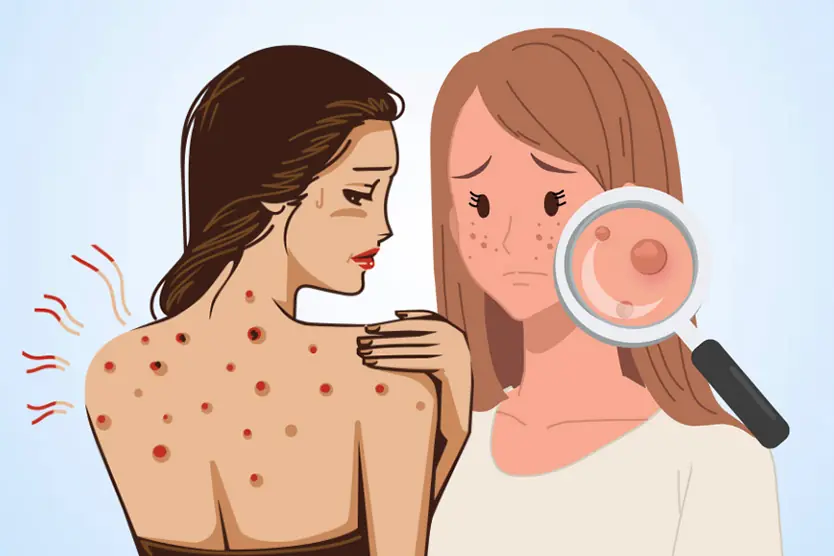
10 Signs That Could Point to Fatty Liver — And When to See a Doctor

Think All Fish Is Healthy? Some Popular Choices Can Be High in Mercury

Think Eggplant Is Healthy for Everyone? Here’s What You Should Know 🍆

Before a heart attack strikes, your body may send these 7 signals.

New research suggests a mother's gut microbiome may shape early brain development.

Most sore throats heal, but some symptoms require urgent medical attention.

The Hidden Signs of High Blood Sugar That Appear After Dark

These Early Symptoms of Pancreatic Can.cer Are Easy to Miss

🌱 The Remarkable Potential of Oregano Leaves That Deserves More Attention
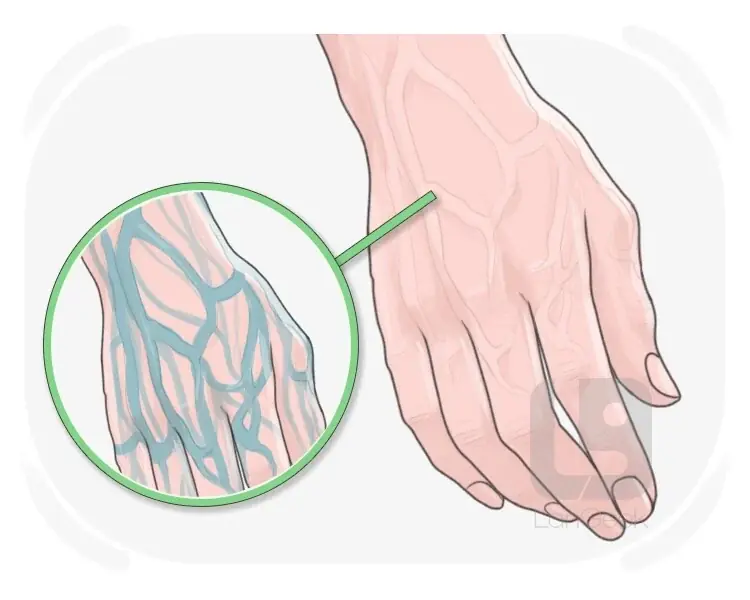
👋 Your Hands Might Be Warning You About More Than Just Aging—Here's Why
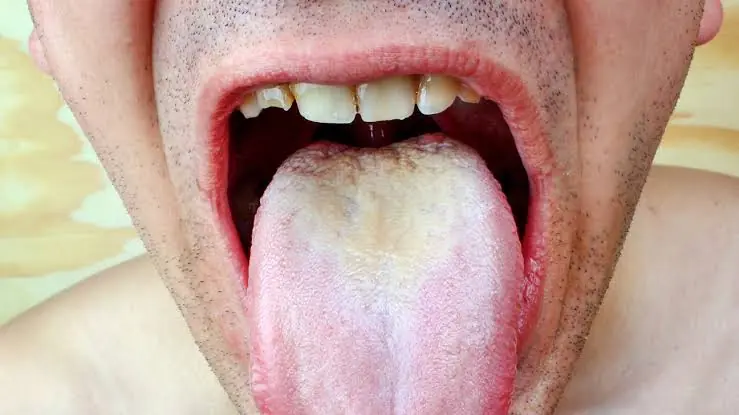
🧐 Your Tongue Could Reveal More About Your Health Than You Think—Especially If It's White

⚠️ Coconut Water Can Be Refreshing, But These 6 Groups Should Drink It With Caution
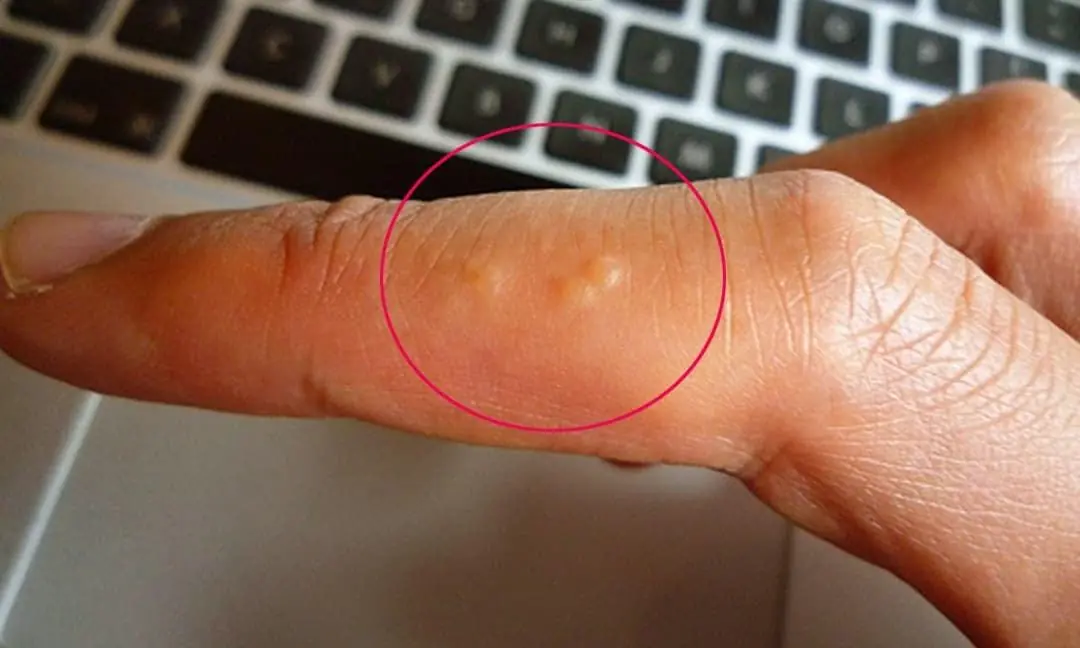
If Your Fingers Look Like This, It May Be Time to See a Doctor

Are Papaya Seeds Good for You? Benefits, Uses, and Precautions

Amazing Health Benefits of Chicken Feet You Should Know
What Are the Signs of High Cholesterol? Here's What Medical Experts Say

Cloves and Your Health: What Happens If You Eat One Daily?

Why Your Legs Cramp at Night (And How to Fix It)
Leg Cramps Keep Waking You Up at Night? Here’s What Could Be Behind Them

Father's Love
10 Signs That Could Point to Fatty Liver — And When to See a Doctor

The Coins a Mother Silently Saved for Her Son
Think All Fish Is Healthy? Some Popular Choices Can Be High in Mercury
Think Eggplant Is Healthy for Everyone? Here’s What You Should Know 🍆

Before You Start Eating More Guava, Here’s What Health Experts Want You to Know
Before a heart attack strikes, your body may send these 7 signals.
New research suggests a mother's gut microbiome may shape early brain development.
Most sore throats heal, but some symptoms require urgent medical attention.

A simple water bottle trick can reveal hidden issues beneath hotel beds.

Red Bones in Cooked Chicken: Safe or Dangerous?
The Hidden Signs of High Blood Sugar That Appear After Dark

Persistent chin hair may sometimes reflect underlying hormonal changes.

These Early Symptoms of Pancreatic Can.cer Are Easy to Miss
🌱 The Remarkable Potential of Oregano Leaves That Deserves More Attention
👋 Your Hands Might Be Warning You About More Than Just Aging—Here's Why
🧐 Your Tongue Could Reveal More About Your Health Than You Think—Especially If It's White