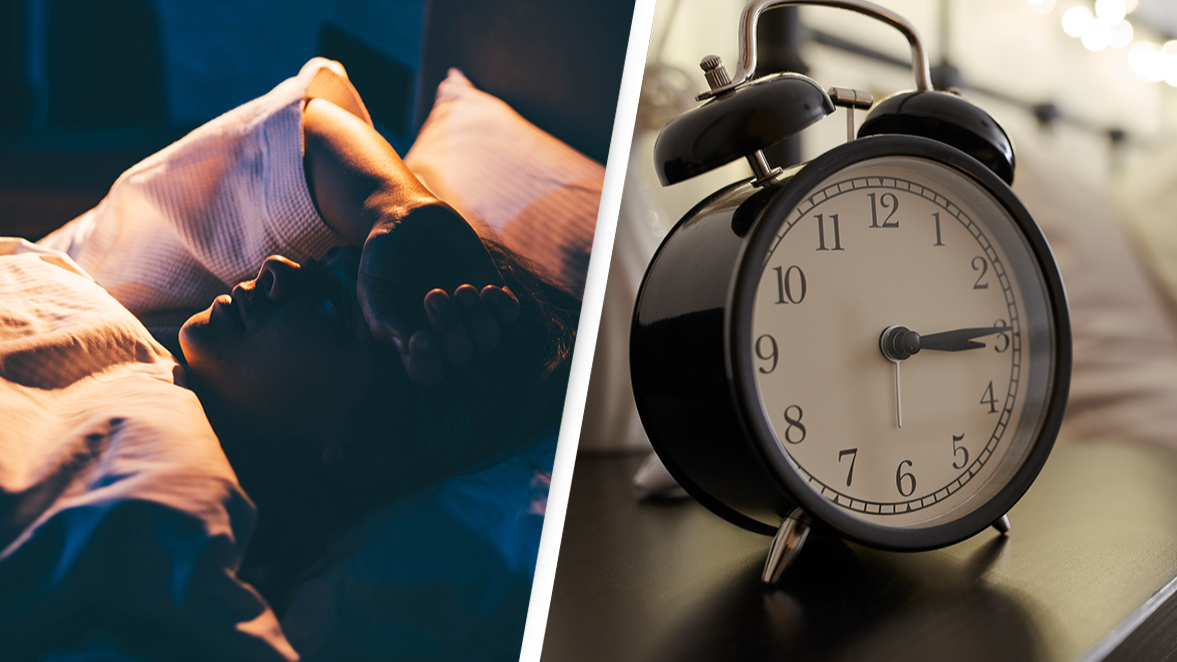
You fall asleep without much trouble, but then your eyes suddenly open. You check the clock and see 3:17 AM, 3:42 AM, or 4:05 AM.
It happens once, then again the next night. Before long, you begin wondering: Why do I keep waking up at almost the same time every night?
Waking briefly during the night is actually normal. Sleep isn't one continuous state. The brain moves through multiple sleep cycles, and short awakenings can occur between them without you even remembering.
However, regularly waking between 3 and 4 AM—and then struggling to fall back asleep—can sometimes point to an underlying issue affecting your sleep.
Stress, insomnia, sleep apnea, hormonal or metabolic changes, medications, alcohol, and even your bedroom environment can all play a role.
Importantly, there is no medical rule that says waking at 3 or 4 AM means you have a specific disease. The exact clock time is usually less important than how frequently it happens, what other symptoms accompany it, and how you feel during the day.
Here are four health-related causes worth knowing about.
First: Why Do We Wake Up During the Night at All?
Before looking at possible health conditions, it helps to understand how normal sleep works.
Throughout the night, your body repeatedly cycles through different sleep stages, including:
-
Light non-REM sleep
-
Deeper non-REM sleep
-
REM sleep
A complete cycle generally lasts roughly 90 minutes, although the duration varies considerably between people and throughout the night.
As morning approaches, periods of REM sleep tend to become longer while deep sleep becomes less prominent.
That means sleep can naturally become lighter during the early morning hours.
At the same time, your circadian system gradually prepares your body for waking. Hormonal signals, body temperature, and alertness begin changing as morning approaches.
Because of this, waking around 3 or 4 AM isn't automatically abnormal.
The concern is more about repeated awakenings that disrupt sleep quality.
1. Stress, Anxiety, and Chronic Mental Overload
One of the most common explanations for repeated early-morning awakening is psychological stress.
Perhaps you've experienced something like this:
You wake at 3:30 AM.
Within seconds, your brain starts running.
“Did I finish that project?”
“What if tomorrow goes badly?”
“How am I going to pay for that?”
“Why did I say that yesterday?”
Suddenly, you're fully awake.
What Stress Does to Sleep
Your brain contains systems designed to detect potential threats and prepare your body to respond.
During stress, the sympathetic nervous system and hypothalamic-pituitary-adrenal axis become more active.
Stress-related hormones and signaling systems can increase:
-
Alertness
-
Heart rate
-
Muscle tension
-
Mental activity
That's useful when you're facing an immediate challenge.
It's less useful when you're lying in bed at 3 AM.
People experiencing prolonged stress may fall asleep because they're exhausted, only to wake several hours later and find their minds immediately becoming active.
Signs Stress May Be Contributing
Other symptoms might include:
-
Racing thoughts
-
Muscle tension
-
Jaw clenching
-
Frequent headaches
-
Irritability
-
Difficulty concentrating
-
Digestive disturbances
-
Feeling constantly “on edge”
-
Fatigue despite spending enough time in bed
The timing doesn't have mystical significance.
Your liver isn't necessarily “sending a warning” at 3 AM, nor is a specific organ automatically responsible because you wake during a particular hour.
Instead, your nervous system may simply be having difficulty maintaining restful sleep.
What Can Help?
Try creating a deliberate transition between daytime activity and sleep.
For example:
One hour before bed:
Reduce stimulating work.
Dim bright lights.
Avoid repeatedly checking work messages.
Write down anything you need to remember tomorrow.
Engage in a quiet activity.
Some people benefit from slow breathing, mindfulness exercises, or progressive muscle relaxation.
If anxiety becomes persistent and significantly interferes with sleep or daily functioning, professional support may be useful.
2. Insomnia and Changes in Your Sleep Cycle
Many people think insomnia means being unable to fall asleep.
That's only one form.
Another common pattern is sleep-maintenance insomnia, where you fall asleep normally but repeatedly wake during the night and have difficulty returning to sleep.
A related pattern is early-morning awakening, where you wake significantly earlier than intended.
For example:
You go to bed at 10:30 PM intending to wake at 6:30 AM.
But you're consistently awake at 3:30 or 4 AM and can't return to sleep.
That may represent an insomnia pattern.
What Can Trigger Insomnia?
Potential contributors include:
-
Stress
-
Anxiety
-
Depression
-
Irregular sleep schedules
-
Shift work
-
Jet lag
-
Excessive caffeine
-
Alcohol
-
Certain medications
-
Chronic pain
-
Menopause symptoms
-
Poor sleep habits
Sometimes insomnia begins after a stressful event but continues even after the original problem improves.
Why?
Because the brain begins associating the bed with being awake and frustrated rather than sleeping.
The Clock-Watching Trap
Imagine waking at 3:14 AM.
You look at your phone.
Ten minutes later:
3:24 AM.
Then:
3:39 AM.
Now you're thinking:
“I only have three hours left before I have to get up.”
Your anxiety increases.
Your heart rate rises.
You become increasingly alert.
By repeatedly checking the clock, you can unintentionally turn a normal brief awakening into a prolonged episode of insomnia.
If possible, keep the clock out of direct view.
What Is CBT-I?
For chronic insomnia, one of the best-established treatments is cognitive behavioral therapy for insomnia (CBT-I).
CBT-I addresses behaviors and thought patterns that maintain sleep difficulties.
It may include strategies involving:
-
Sleep scheduling
-
Stimulus control
-
Relaxation
-
Sleep-related beliefs
-
Behavioral adjustments
Unlike simply taking a sedative, CBT-I attempts to improve the underlying sleep pattern.
If you're experiencing insomnia several nights per week for months, asking about CBT-I may be worthwhile.
3. Obstructive Sleep Apnea
Repeated nighttime awakenings aren't always caused by your mind.
Sometimes your breathing is the problem.
Obstructive sleep apnea (OSA) occurs when the upper airway repeatedly narrows or closes during sleep.
When breathing is disrupted, oxygen levels may fall and the brain briefly activates enough to reopen the airway.
You may not remember these awakenings.
But they can happen repeatedly throughout the night.
Common Signs of Sleep Apnea
Watch for:
-
Loud snoring
-
Gasping during sleep
-
Choking sensations at night
-
Witnessed pauses in breathing
-
Dry mouth upon waking
-
Morning headaches
-
Excessive daytime sleepiness
-
Poor concentration
-
Irritability
-
Unrefreshing sleep
A partner may notice the breathing pauses before you do.
Some people simply think:
“I sleep eight hours, so why am I exhausted?”
The answer may be that their sleep is repeatedly fragmented.
Why Might You Notice It Around 3–4 AM?
Sleep apnea doesn't specifically begin at 3 AM.
It can occur throughout the night.
However, obstructive sleep apnea may be more pronounced during certain sleep stages and positions, including REM sleep for some individuals.
Because REM periods become longer later in the night, some people may notice more sleep disruption toward morning.
Still, the exact clock time isn't diagnostic.
The accompanying symptoms matter far more.
Who Is at Risk?
OSA can affect people of many body types and ages.
Risk may be increased by factors such as:
-
Obesity
-
Certain anatomical airway characteristics
-
Increasing age
-
Family history
-
Alcohol use
-
Smoking
-
Nasal obstruction
It is a mistake to assume that only people with obesity develop sleep apnea.
Thin individuals can have it too.
Why Sleep Apnea Matters
Untreated OSA isn't simply an annoying snoring problem.
It has been associated with increased risk of health issues including:
-
High blood pressure
-
Cardiovascular disease
-
Stroke
-
Metabolic problems
-
Daytime accidents caused by sleepiness
If you repeatedly wake at night and also snore loudly or experience significant daytime sleepiness, discussing sleep apnea with a healthcare professional is sensible.
Diagnosis often involves a sleep study.
4. Hormonal, Metabolic, and Other Medical Changes
The fourth category is broad because several medical conditions can interfere with sleep.
Sometimes waking at 3 or 4 AM isn't primarily a sleep disorder—the awakening is secondary to something happening elsewhere in the body.
Let's look at several possibilities.
Menopause and Hot Flashes
During perimenopause and menopause, hormonal changes can significantly disrupt sleep.
Hot flashes and night sweats may suddenly wake someone from sleep.
You may notice:
-
Sudden warmth
-
Sweating
-
Flushing
-
Racing heartbeat
-
Difficulty returning to sleep
Even when hot flashes aren't severe, hormonal changes can affect overall sleep quality.
If nighttime symptoms are persistent, discuss treatment options with a healthcare professional rather than simply accepting poor sleep indefinitely.
Thyroid Disorders
An overactive thyroid, known as hyperthyroidism, can produce symptoms such as:
-
Rapid heartbeat
-
Heat intolerance
-
Increased sweating
-
Tremor
-
Anxiety
-
Weight loss
-
Difficulty sleeping
An underactive thyroid can also affect energy, mood, and sleep in different ways.
A thyroid problem can't be diagnosed based on nighttime waking alone.
Blood testing is needed when thyroid dysfunction is suspected.
Diabetes and Blood Glucose
People with diabetes may experience disrupted sleep for several reasons.
High blood glucose can increase urination, potentially causing repeated bathroom trips during the night.
Some people using insulin or certain glucose-lowering medications may also experience nocturnal hypoglycemia.
Possible symptoms can include:
-
Sweating
-
Shaking
-
Nightmares
-
Palpitations
-
Confusion after waking
People with diabetes who repeatedly experience suspected nighttime hypoglycemia should discuss it with their healthcare team rather than changing medication doses independently.
Frequent Urination Can Wake You Too
Sometimes the bladder—not the brain—is the immediate reason you're awake.
Waking repeatedly to urinate is called nocturia.
Possible contributors include:
-
Drinking large amounts before bed
-
Alcohol
-
Caffeine
-
Diuretic medications
-
Diabetes
-
Bladder disorders
-
Prostate enlargement
-
Sleep apnea
-
Certain cardiovascular or kidney conditions
One nighttime bathroom trip isn't necessarily abnormal, particularly with increasing age.
Repeated awakenings every night deserve more attention, especially if accompanied by urinary symptoms during the daytime.
Could Acid Reflux Be Waking You?
Yes.
Gastroesophageal reflux disease (GERD) can sometimes worsen while lying down.
Stomach contents may travel upward into the esophagus, causing:
-
Heartburn
-
Sour taste
-
Cough
-
Throat irritation
-
Chest discomfort
-
Nighttime awakening
Some people experience nighttime reflux without dramatic heartburn.
Eating a large meal shortly before bed can worsen symptoms in susceptible individuals.
If reflux seems to be the culprit, avoiding large late-night meals and discussing persistent symptoms with a healthcare professional may help.
Chronic Pain Can Fragment Sleep
People living with:
-
Arthritis
-
Back pain
-
Fibromyalgia
-
Neuropathy
-
Migraine
-
Other chronic pain conditions
may wake repeatedly when discomfort becomes more noticeable.
Poor sleep can then increase pain sensitivity the next day.
This creates a frustrating cycle:
Pain → poor sleep → increased pain sensitivity → even poorer sleep.
Effective pain management may therefore improve sleep as well.
What About Depression?
Changes in sleep can occur with depression.
Some people sleep excessively.
Others have trouble falling asleep.
And some experience early-morning awakening, where they wake much earlier than intended and cannot return to sleep.
Other possible symptoms include persistent:
-
Low mood
-
Loss of interest or pleasure
-
Fatigue
-
Difficulty concentrating
-
Changes in appetite
-
Feelings of hopelessness
Early waking alone doesn't diagnose depression.
But if sleep changes occur alongside persistent mood symptoms, seeking professional support is appropriate.
Alcohol: It May Help You Fall Asleep but Still Ruin Your Night
A nightcap can make you feel sleepy.
That leads some people to assume alcohol improves sleep.
The reality is more complicated.
Alcohol can initially shorten the time it takes to fall asleep, but later in the night it may contribute to:
-
Fragmented sleep
-
More frequent awakenings
-
Changes in sleep architecture
-
Snoring
-
Worsening sleep apnea
So if you frequently wake around 3 or 4 AM after drinking in the evening, alcohol may be contributing.
Try reducing evening alcohol and observe whether your sleep improves.
Caffeine Can Stay With You Longer Than You Think
You might think:
“I only drink coffee in the afternoon.”
But caffeine can remain active in the body for many hours.
People vary substantially in how quickly they metabolize caffeine.
Sources include:
-
Coffee
-
Tea
-
Energy drinks
-
Cola
-
Chocolate
-
Certain medications and supplements
If you're experiencing persistent insomnia, consider moving caffeine earlier in the day or temporarily reducing it.
Your Bedroom Could Be Part of the Problem
Not every 3 AM awakening requires a medical explanation.
Your environment may be waking you.
Possible triggers include:
-
Room temperature changes
-
Traffic noise
-
A partner moving
-
Pets
-
Early sunlight
-
Phone notifications
-
Dry air
Try keeping your bedroom:
Cool, dark, quiet, and comfortable.
Blackout curtains, earplugs, or appropriate background noise may help depending on the problem.
Could Hunger Wake You at 3 AM?
Possibly, although it isn't usually the first explanation.
People who severely restrict food intake or eat irregularly may sometimes wake feeling hungry.
But waking at exactly 3 AM isn't evidence that your blood sugar is dangerously low.
For most healthy people without diabetes or glucose-lowering medication, the body can regulate blood glucose throughout an overnight fast.
You generally don't need a special 3 AM snack.
What About “Liver Time” at 3 AM?
Social media posts sometimes claim that waking between specific hours means a particular organ is malfunctioning.
For example:
“Waking at 3 AM means your liver is overloaded.”
There isn't good medical evidence that a person's exact nighttime awakening time can diagnose liver disease this way.
Liver problems are evaluated using medical history, examination, blood tests, imaging, and other appropriate investigations—not the clock beside your bed.
So don't panic because you've been waking at 3:33 AM.
Look at the overall symptom pattern instead.
Is Waking Up at 3–4 AM Normal as You Get Older?
Sleep patterns often change with age.
Older adults may:
-
Become sleepy earlier
-
Wake earlier
-
Spend less time in deep sleep
-
Experience more fragmented sleep
Medical conditions and medications also become more common with age, both of which can affect sleep.
Therefore, some changes may be expected.
However, severe insomnia or persistent daytime exhaustion shouldn't automatically be dismissed as “just aging.”
What Should You Do When You Wake at 3 AM?
First, avoid immediately checking your phone.
Bright light, notifications, emails, and social media can make your brain considerably more alert.
If you remain awake for a while, a quiet, low-stimulation activity outside the bed may sometimes be helpful until sleepiness returns.
Keep lighting dim.
Avoid:
-
Work
-
News
-
Intense exercise
-
Large meals
-
Repeated clock checking
The goal is to avoid teaching your brain that 3 AM is activity time.
Create a Consistent Wake-Up Time
One of the strongest signals for your circadian rhythm is your morning schedule.
Try waking at roughly the same time each day, even after a poor night's sleep.
Sleeping very late after insomnia can sometimes make it harder to sleep the following night.
Regularity helps your biological clock know when sleep and wakefulness should occur.
Morning Light Can Help
Natural morning light helps regulate circadian rhythms.
After waking, try getting appropriate exposure to daylight.
This can help reinforce your body's daytime signal and may make it easier to become sleepy at an appropriate time the following evening.
Regular daytime physical activity can also support sleep.
Avoid Going to Bed Too Early
This is an overlooked cause of early waking.
Imagine that your body needs around seven or eight hours of sleep, but you routinely get into bed at 8 PM.
Waking at 3 or 4 AM may simply mean you've already spent seven or eight hours in bed.
Going to bed much earlier isn't always the solution to poor sleep.
Sleep timing should match your actual sleep requirement and circadian rhythm.
Keep a Sleep Diary
If the problem continues, track your sleep for one or two weeks.
Record:
-
Bedtime
-
Approximate time you fall asleep
-
Nighttime awakenings
-
Final wake time
-
Caffeine consumption
-
Alcohol consumption
-
Exercise
-
Naps
-
Medications
-
Daytime sleepiness
Patterns often become much clearer when written down.
You may discover, for example, that awakenings happen primarily after alcohol, late caffeine, stressful workdays, or long afternoon naps.
When Should You See a Doctor?
Consider professional evaluation if early-morning waking:
-
Happens frequently for several weeks or longer
-
Significantly affects daytime functioning
-
Causes severe fatigue
-
Occurs with loud snoring
-
Is associated with gasping or choking during sleep
-
Happens alongside persistent mood changes
-
Is accompanied by night sweats or other unexplained symptoms
-
Occurs with frequent nighttime urination
-
Began after starting a new medication
Persistent sleep disruption can have many causes, and treating the cause is more effective than simply trying random sleep remedies.
When Breathing Symptoms Need Attention
One pattern is particularly worth remembering:
Snoring + breathing pauses + gasping + daytime sleepiness
That combination may indicate obstructive sleep apnea.
Don't rely solely on sleeping pills if breathing problems are suspected.
Some sedating substances can worsen sleep-related breathing in susceptible people.
A healthcare professional can determine whether sleep testing is appropriate.
Be Careful With Sleeping Pills
Sleep medications can be useful in certain circumstances, but they aren't automatically the best long-term solution.
Some can cause:
-
Daytime drowsiness
-
Dizziness
-
Falls
-
Cognitive impairment
-
Dependence or tolerance
The risks vary considerably depending on the medication, dose, age, and individual health.
Don't borrow sleeping pills from someone else or combine sedatives with alcohol.
For persistent insomnia, addressing the underlying sleep pattern is usually important.
What About Melatonin?
Melatonin is a hormone involved in regulating circadian timing.
Supplemental melatonin can be useful for certain sleep problems, particularly those involving circadian rhythm shifts.
However, it isn't a universal cure for every form of nighttime awakening.
More isn't necessarily better.
Products can also vary in quality and dosage.
If you're taking medications or have ongoing health conditions, discuss regular melatonin use with an appropriate healthcare professional.
4 Main Causes to Remember
If you're repeatedly waking between 3 and 4 AM, four broad possibilities are worth considering:
1. Stress and Anxiety
A hyperactive stress response and racing thoughts can make it difficult to stay asleep.
2. Insomnia or Sleep-Cycle Disruption
Sleep-maintenance insomnia and early-morning awakening can cause repeated nighttime waking.
3. Obstructive Sleep Apnea
Breathing interruptions can repeatedly fragment sleep, sometimes without you realizing what's happening.
4. Hormonal, Metabolic, or Other Medical Issues
Menopause symptoms, thyroid disorders, diabetes-related problems, nocturia, reflux, chronic pain, and other conditions can interfere with sleep.
But remember:
The exact time on the clock does not identify the cause.
The Bottom Line
Waking up at 3 or 4 AM isn't automatically a warning sign of a dangerous disease.
In fact, brief nighttime awakenings are part of normal human sleep.
What matters is whether you're:
Waking repeatedly, staying awake for long periods, experiencing other symptoms, or feeling exhausted during the day.
If stress is driving the problem, improving your wind-down routine and addressing the source of stress may help.
If you're experiencing chronic insomnia, CBT-I may be worth exploring.
If you snore loudly, stop breathing during sleep, wake gasping, or remain extremely sleepy during the day, sleep apnea should be considered.
And if awakenings occur alongside symptoms such as excessive thirst, frequent urination, hot flashes, palpitations, persistent pain, or significant mood changes, an underlying medical issue may deserve investigation.
Final Thoughts
If you keep seeing 3:00 or 4:00 AM on your clock, don't assume your body is secretly warning you that a particular organ is failing.
The clock alone can't diagnose disease.
Instead, ask yourself:
How often does this happen?
How long am I awake?
Do I snore or gasp during sleep?
Am I under unusual stress?
Have my medications changed?
Do I have other symptoms during the day or night?
And perhaps most importantly:
Do I feel rested when morning arrives?
If you're waking briefly and falling back asleep without difficulty, there may be little reason for concern.
But if early-morning awakening becomes a persistent pattern that leaves you exhausted, anxious, or unable to function normally, it's worth finding out what's disrupting your sleep rather than simply blaming the hour on the clock.