Waking up in the middle of the night with your tongue feeling sticky, your throat unusually dry, or an overwhelming need for water can be frustrating. For some people, it happens occasionally after a salty meal or a night of sleeping with the mouth open. For others, dry mouth becomes an almost nightly problem.
The medical term for dry mouth is xerostomia. It occurs when there isn't enough saliva to keep the mouth comfortably moist.
Although nighttime dry mouth is often harmless, persistent symptoms deserve attention. Saliva does much more than make your mouth feel comfortable - it helps protect your teeth, supports swallowing and digestion, lubricates oral tissues, and helps control microorganisms in the mouth.
So why might your mouth become especially dry while you're sleeping?
Here are 10 possible causes of nighttime dry mouth, along with signs that may help you determine when it's time to seek professional advice.

Why Does Dry Mouth Often Feel Worse at Night?
Saliva production naturally decreases during sleep.
That's normal.
During the daytime, eating, drinking, chewing, and speaking stimulate saliva production. At night, those activities stop and salivary flow falls.
For most people, this doesn't cause a major problem.
But if something else is already reducing saliva production—or causing you to breathe through your mouth—the natural nighttime decrease can make dryness much more noticeable.
You might wake up with:
-
A sticky or dry feeling in the mouth
-
A dry tongue
-
Thick or stringy saliva
-
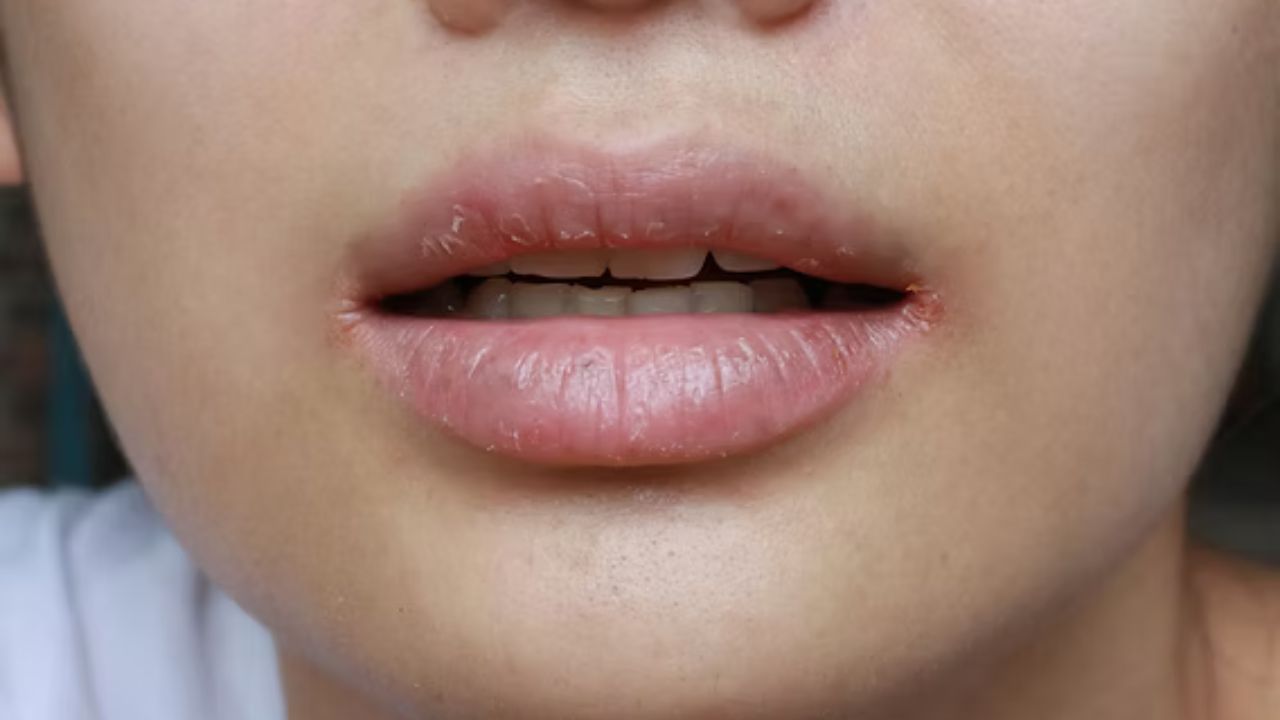
Dry or cracked lips
-
Throat discomfort
-
Bad breath
-
Increased thirst
-
Difficulty swallowing
-
Changes in taste
If this happens repeatedly, one of the following explanations may be responsible.
1. Sleeping With Your Mouth Open
One of the simplest and most common explanations is mouth breathing.
Normally, breathing through your nose helps humidify the air before it reaches your lungs.
When you breathe through your mouth for several hours, however, airflow continually passes over your oral tissues.
This can accelerate moisture loss and leave your mouth extremely dry by morning.
You may be more likely to sleep with your mouth open if you have:
-
Nasal congestion
-
Allergies
-
A deviated septum
-
Enlarged tonsils or adenoids
-
Nasal polyps
-
Certain sleep-related breathing problems
Clues You May Be Mouth Breathing
You might notice:
-
Dry mouth immediately after waking
-
Dry or sore throat
-
Cracked lips
-
Bad breath
-
Snoring
A partner may also notice that you sleep with your mouth open.
If mouth breathing occurs regularly, identifying why your nose isn't being used normally during sleep is more useful than simply drinking extra water.
2. Nasal Congestion
A blocked nose naturally encourages mouth breathing.
Temporary congestion can happen with:
-
A cold
-
Influenza
-
COVID-19
-
Sinus infections
But chronic nasal congestion can also result from:
-
Allergic rhinitis
-
Nasal polyps
-
Structural abnormalities
-
Chronic sinus inflammation
If your nighttime dry mouth appears only while you have a cold, it will probably improve as your congestion resolves.
Persistent congestion is different.
If you regularly struggle to breathe comfortably through your nose—especially if one side always seems blocked—consider discussing the problem with a healthcare professional.
Treating the underlying nasal problem may also improve nighttime mouth dryness.
3. Snoring and Sleep Apnea
Dry mouth can sometimes accompany obstructive sleep apnea (OSA).
Sleep apnea occurs when the upper airway repeatedly becomes narrowed or blocked during sleep, interrupting normal breathing.
People with sleep apnea may snore heavily and frequently breathe through their mouths.
Possible warning signs include:
-
Loud chronic snoring
-
Gasping or choking during sleep
-
Witnessed pauses in breathing
-
Morning headaches
-
Daytime sleepiness
-
Difficulty concentrating
-
Irritability
-
Waking with a dry mouth
Having a dry mouth doesn't mean you have sleep apnea.
But dry mouth plus loud snoring, breathing pauses, or significant daytime sleepiness deserves more attention.
Untreated obstructive sleep apnea is associated with cardiovascular and metabolic health problems.
A sleep study may be recommended when OSA is suspected.
4. Medications
Medication is a major cause of dry mouth.
Hundreds of prescription and over-the-counter medications can reduce saliva production or contribute to oral dryness.
Examples may include certain:
-
Antihistamines
-
Decongestants
-
Antidepressants
-
Anxiety medications
-
Blood pressure medications
-
Muscle relaxants
-
Bladder-control medications
-
Pain medications
The likelihood may increase when several medications with drying effects are taken together.
What Should You Do?
Don't stop a prescribed medication simply because your mouth feels dry.
Instead, talk with your doctor or pharmacist.
They can review your medication list and determine whether:
-
A medication may be contributing
-
The dose could potentially be adjusted
-
Another medication might be appropriate
-
Specific dry-mouth treatments could help
Sometimes the medication is essential and needs to continue, in which case symptom management becomes the priority.
5. Not Getting Enough Fluids
Dehydration can contribute to dry mouth.
You may become dehydrated when fluid losses exceed fluid intake.
Possible causes include:
-
Heavy sweating
-
Hot weather
-
Fever
-
Vomiting
-
Diarrhea
-
Intense exercise
-
Inadequate fluid intake
Other possible signs of dehydration can include:
-
Thirst
-
Darker urine
-
Reduced urination
-
Fatigue
-
Dizziness
Simply forgetting to drink during a busy day may also leave you thirsty by bedtime.
But More Water Isn't Always the Answer
Persistent dry mouth doesn't necessarily mean you're dehydrated.
If your salivary glands aren't producing enough saliva because of medication or disease, drinking enormous quantities of water may provide only temporary relief.
And excessive water consumption can itself become dangerous.
Drink according to your needs rather than trying to “flush” dry mouth away.
6. Alcohol Before Bed
Alcohol can contribute to nighttime dryness in several ways.
Alcoholic beverages may increase urine production in certain circumstances, and alcohol can also affect sleep quality.
Additionally, alcohol may worsen snoring and sleep-disordered breathing in susceptible people.
Some alcoholic drinks can also irritate or dry the mouth.
If you regularly wake with a very dry mouth after drinking in the evening, experiment with reducing or avoiding alcohol near bedtime.
You may notice improvements in both oral comfort and sleep quality.

7. Smoking or Tobacco Use
Tobacco can negatively affect oral health in numerous ways.
Smoking may contribute to sensations of mouth dryness and can irritate oral tissues.
More importantly, tobacco use substantially increases the risk of:
-
Gum disease
-
Tooth loss
-
Oral cancer
-
Throat cancer
-
Lung cancer
-
Cardiovascular disease
Dry mouth combined with smoking can be particularly problematic because reduced saliva leaves teeth and oral tissues with less natural protection.
If you use tobacco, quitting provides benefits far beyond improving dry mouth.
8. Diabetes and High Blood Sugar
Persistent thirst and dry mouth can sometimes occur in people with diabetes, particularly when blood glucose is poorly controlled.
When blood glucose becomes significantly elevated, the kidneys may remove more glucose through urine.
Water follows.
This can lead to increased urination and dehydration.
Possible symptoms of diabetes can include:
-
Increased thirst
-
Frequent urination
-
Increased hunger
-
Fatigue
-
Blurred vision
-
Unexplained weight loss
-
Slow-healing wounds
-
Recurrent infections
Many people with type 2 diabetes initially have few obvious symptoms.
When to Consider Testing
If nighttime dry mouth occurs together with persistent thirst and frequent urination, especially if you have diabetes risk factors, consider discussing blood glucose testing with a healthcare professional.
A simple blood test can provide much more useful information than trying to diagnose diabetes from symptoms alone.
9. Sjögren’s Disease and Other Medical Conditions
Persistent severe dry mouth can occasionally be related to an autoimmune condition such as Sjögren’s disease.
In Sjögren’s, the immune system affects glands responsible for producing moisture, particularly the salivary and tear glands.
Two classic symptoms are:
Dry mouth + dry eyes.
People may describe their eyes as:
-
Gritty
-
Burning
-
Irritated
-
Uncomfortably dry
Oral symptoms may include:
-
Difficulty swallowing dry foods
-
Needing water while eating
-
Frequent cavities
-
Mouth discomfort
-
Difficulty speaking for long periods
Not everyone with dry eyes and dry mouth has Sjögren’s.
Medications, dehydration, aging, environmental conditions, and other disorders can cause similar symptoms.
But persistent dryness affecting both the eyes and mouth is worth mentioning to your healthcare provider.
10. Salivary Gland Problems or Cancer Treatment
Your salivary glands are responsible for producing saliva.
Anything that damages or obstructs these glands can potentially cause dry mouth.
Possible problems include:
-
Salivary stones
-
Inflammation
-
Infection
-
Autoimmune disease
-
Certain salivary gland disorders
Dry mouth can also occur following radiation therapy to the head and neck because radiation may damage salivary glands.
Certain cancer treatments and medications may contribute as well.
For some people, the resulting dry mouth can be significant and long-lasting.
Specialized dental and medical management may therefore be necessary.
Why Saliva Is More Important Than You Think
It's easy to think of saliva as simply “water in your mouth.”
It's much more complicated.
Saliva contains water along with:
-
Electrolytes
-
Proteins
-
Enzymes
-
Antimicrobial components
-
Minerals
It performs several important functions.
Saliva Helps Protect Your Teeth
After eating carbohydrates, oral bacteria can produce acids.
Saliva helps neutralize these acids and contributes minerals involved in protecting tooth enamel.
Saliva Helps Control Microorganisms
Various components of saliva participate in the mouth's natural defenses.
Saliva Helps You Swallow
It lubricates food and oral tissues, making chewing and swallowing easier.
Saliva Helps You Taste
Food chemicals need to dissolve in fluid before taste receptors can detect them effectively.
This is why severe dry mouth can sometimes change how food tastes.
What Happens If Dry Mouth Continues for Months?
Occasional dryness is usually more annoying than dangerous.
Chronic xerostomia is different.
Long-term reduction in saliva can increase the risk of oral health problems.
These may include:
-
Tooth decay
-
Gum problems
-
Bad breath
-
Mouth sores
-
Oral infections
-
Difficulty chewing
-
Difficulty swallowing
-
Changes in taste
Some people with severe dry mouth develop cavities much more quickly than expected.
This is why chronic xerostomia shouldn't simply be accepted as part of getting older.
Dry Mouth and Bad Breath
Dry mouth can contribute to halitosis, or bad breath.
During the day, saliva continuously helps wash away food debris and microorganisms.
Saliva production naturally decreases during sleep, which is one reason “morning breath” is so common.
If saliva production is already reduced, the effect can become more noticeable.
Good oral hygiene can help:
-
Brush twice daily with fluoride toothpaste.
-
Clean between the teeth daily.
-
Clean the tongue gently.
-
Attend regular dental checkups.
But if bad breath persists despite good oral hygiene, look for an underlying cause.
Can Dry Mouth Cause Cavities?
Yes.
Saliva is an important defense against tooth decay.
When salivary flow decreases, acids and food particles may remain around teeth for longer.
The mouth also loses some of its natural buffering capacity.
As a result, people with chronic xerostomia may have a higher risk of cavities.
Fluoride becomes particularly important in these individuals.
A dentist may recommend specific fluoride products depending on the severity of the problem.
Can Dry Mouth Cause a Burning Tongue?
Severe dryness can contribute to oral discomfort, including burning or soreness.
But a burning sensation in the mouth has multiple possible causes.
These include:
-
Nutritional deficiencies
-
Oral infections
-
Medication effects
-
Hormonal factors
-
Nerve-related conditions
-
Burning mouth syndrome
Persistent burning shouldn't automatically be blamed on dehydration.
A dentist or physician can help identify the cause.
What About Oral Thrush?
Reduced saliva can make some people more susceptible to oral infections, including oral candidiasis, commonly called thrush.
Possible signs include:
-
White patches
-
Mouth soreness
-
Burning
-
Altered taste
-
Red irritated tissues
White patches in the mouth aren't always thrush, however.
If they persist, have them evaluated rather than attempting to diagnose them yourself.
Does Age Cause Dry Mouth?
Dry mouth becomes more common with age, but aging itself isn't necessarily the primary cause.
Older adults are more likely to:
-
Take multiple medications
-
Have chronic medical conditions
-
Receive treatments that affect saliva production
Medication burden is particularly important.
So rather than saying, “I'm older, therefore dry mouth is normal,” it is worth reviewing possible causes.
What About Menopause?
Some people report oral changes around menopause, including sensations of dryness or burning.
Hormonal changes may influence oral tissues, but medications, sleep problems, dehydration, and other medical conditions may also contribute.
Persistent symptoms should therefore be evaluated rather than automatically attributed to hormones.
Can Anxiety Cause Dry Mouth?
Yes, temporary dry mouth can occur during anxiety or acute stress.
Think about how your mouth might feel before:
-
Giving a speech
-
Attending an interview
-
Taking an exam
-
Having a difficult conversation
Activation of the sympathetic nervous system can alter salivary secretion.
However, severe dry mouth occurring every night for months shouldn't automatically be attributed to anxiety without considering other explanations.
Does Caffeine Cause Dry Mouth?
Caffeine sometimes receives the blame for dehydration more broadly than the evidence supports.
Moderate amounts of caffeinated beverages can still contribute to daily fluid intake.
However, coffee and other caffeinated beverages may make some people feel more dry or contribute to sleep disruption when consumed late.
If you're drinking large amounts of caffeine, particularly late in the day, reducing intake may be worth trying.
How to Reduce Dry Mouth at Night
The best treatment depends on the cause, but several practical measures may provide relief.
1. Stay Appropriately Hydrated During the Day
Drink fluids regularly rather than trying to consume a huge amount immediately before bed.
Large amounts right before sleeping may simply cause repeated bathroom trips.
2. Keep Water Beside Your Bed
A small amount of water can provide temporary relief if you wake with dryness.
Small sips are usually sufficient.
3. Address Nasal Congestion
If you can't breathe through your nose, find out why.
Managing allergies or another nasal condition may reduce mouth breathing.
Avoid overusing medicated nasal decongestant sprays, as some can cause rebound congestion when used longer than recommended.
4. Consider a Humidifier
If your bedroom air is particularly dry, a humidifier may help some people.
Keep the device clean.
Poorly maintained humidifiers can harbor microorganisms or mold.
5. Avoid Tobacco
Stopping tobacco use benefits oral health as well as your lungs, heart, blood vessels, and cancer risk.
6. Limit Alcohol Near Bedtime
If alcohol seems to worsen your symptoms, reduce or avoid it in the evening.
7. Use Sugar-Free Gum During the Day
Chewing can stimulate saliva production in people whose salivary glands still function.
Sugar-free gum is preferable because frequent exposure to sugar increases cavity risk.
Products containing xylitol may be useful for some people.
Don't chew gum while sleeping because of choking risk.
8. Consider Saliva Substitutes
Over-the-counter dry-mouth sprays, gels, rinses, and saliva substitutes can provide temporary relief.
Some products are specifically designed for nighttime use.
A pharmacist or dentist can help you choose an appropriate product.
Be Careful With Mouthwash
If your mouth is already dry, certain mouthwashes may feel irritating.
Products containing substantial alcohol may worsen the sensation of dryness in some individuals.
Consider an alcohol-free mouth rinse designed for dry mouth if appropriate.
But mouthwash isn't a replacement for brushing and interdental cleaning.
Protect Your Teeth
If you experience chronic dry mouth, dental prevention becomes particularly important.
Brush at least twice daily using fluoride toothpaste.
Clean between your teeth daily.
Limit frequent sugary snacks and drinks.
Visit your dentist regularly.
Depending on your cavity risk, your dentist may recommend additional fluoride treatments or prescription-strength products.
Should You Drink Lemon Water for Dry Mouth?
Be cautious.
Sour flavors can stimulate saliva temporarily.
But repeatedly exposing teeth to acidic beverages such as lemon water can contribute to enamel erosion.
If you frequently need something to stimulate saliva, ask a dental professional about safer strategies.
Should You Tape Your Mouth Shut at Night?
“Mouth taping” has become popular on social media as a supposed solution for mouth breathing and dry mouth.
It isn't appropriate for everyone.
If you're mouth breathing because your nose is obstructed—or if you have undiagnosed sleep apnea—simply taping the mouth doesn't address the underlying problem and may be unsafe in some circumstances.
If you repeatedly wake with severe dry mouth and suspect mouth breathing, determine why you're mouth breathing first.
When Should You See a Dentist?
A dentist can be particularly helpful if dry mouth is accompanied by:
-
Frequent cavities
-
Mouth sores
-
Burning sensations
-
Gum problems
-
Persistent bad breath
-
Difficulty chewing
-
Changes in taste
Dentists can assess saliva-related oral damage and recommend preventive strategies.
When Should You See a Doctor?
Consider medical evaluation when dry mouth:
-
Occurs almost every night
-
Persists for several weeks
-
Began after starting a medication
-
Is accompanied by persistent dry eyes
-
Occurs with frequent urination and excessive thirst
-
Causes difficulty swallowing
-
Is associated with significant snoring or daytime sleepiness
The underlying cause may require more than simply drinking additional water.
Signs That Deserve Faster Attention
Seek medical advice promptly if dry mouth occurs alongside significant symptoms such as:
-
Severe dehydration
-
Confusion
-
Fainting
-
Inability to swallow fluids
-
Difficulty breathing
-
Rapidly worsening swelling of the mouth or throat
These aren't typical features of ordinary nighttime dry mouth.
10 Possible Causes at a Glance
If you're repeatedly waking with a dry mouth, consider these possibilities:
1. Mouth breathing during sleep
2. Nasal congestion
3. Snoring or obstructive sleep apnea
4. Medication side effects
5. Dehydration
6. Alcohol consumption
7. Smoking or tobacco use
8. Diabetes or elevated blood glucose
9. Sjögren’s disease or another medical condition
10. Salivary gland problems or certain cancer treatments
For many people, the explanation will be relatively simple.
For others, dry mouth may provide a useful clue to an underlying condition.
The Bottom Line
Nighttime dry mouth is extremely common, and an occasional dry mouth after sleeping with your mouth open or not drinking enough fluids usually isn't a reason to panic.
But persistent xerostomia deserves attention.
The problem may be as straightforward as nasal congestion or a medication side effect. In other cases, it may be associated with sleep apnea, diabetes, autoimmune disease, or salivary gland dysfunction.
Most importantly, chronic dry mouth isn't merely uncomfortable.
Because saliva protects your teeth and oral tissues, long-term reductions in saliva can contribute to cavities, oral infections, bad breath, and difficulty eating or swallowing.
Final Thoughts
If you wake up with a dry mouth once in a while, start with the basics: maintain appropriate hydration, consider whether you're congested, limit alcohol before bed, and pay attention to whether you're sleeping with your mouth open.
But if you're reaching for water every single night, don't automatically assume you simply aren't drinking enough.
Look at the pattern.
Dry mouth + loud snoring + daytime sleepiness may warrant evaluation for sleep apnea.
Dry mouth + excessive thirst + frequent urination may justify checking blood glucose.
Dry mouth + persistently dry eyes may deserve evaluation for an autoimmune condition such as Sjögren’s.
Dry mouth beginning after a new medication is worth discussing with your doctor or pharmacist.
And if dry mouth has persisted for months, don't forget your dentist. Protecting your teeth becomes particularly important when saliva production is reduced.
Your dry mouth may ultimately have a simple explanation—but when it keeps returning night after night, finding the cause is more useful than keeping a bigger glass of water beside the bed.