5 Signs Your Heart Is in Serious Danger
Heart disease often develops quietly, giving off subtle signals long before a major event like a heart attack occurs. Many people ignore these early warning signs, mistaking them for minor or unrelated issues. However, recognizing these symptoms early can be life-saving. Below are five critical signs that may indicate your heart is in serious danger — including one that many people overlook: changes in your feet.
1. Swelling in the Feet and Ankles


One of the most overlooked warning signs of heart problems is swelling in the feet, ankles, or lower legs — a condition known as edema.
When the heart cannot pump blood effectively, fluid begins to accumulate in the lower extremities due to gravity. This leads to visible swelling, tightness in shoes, and sometimes a feeling of heaviness or discomfort.
Key signs to watch for:
- Shoes suddenly feel tighter than usual
- Socks leave deep indentations
- Swelling worsens at the end of the day
While edema can have other causes, persistent swelling should never be ignored, especially when combined with fatigue or shortness of breath.
2. Shortness of Breath
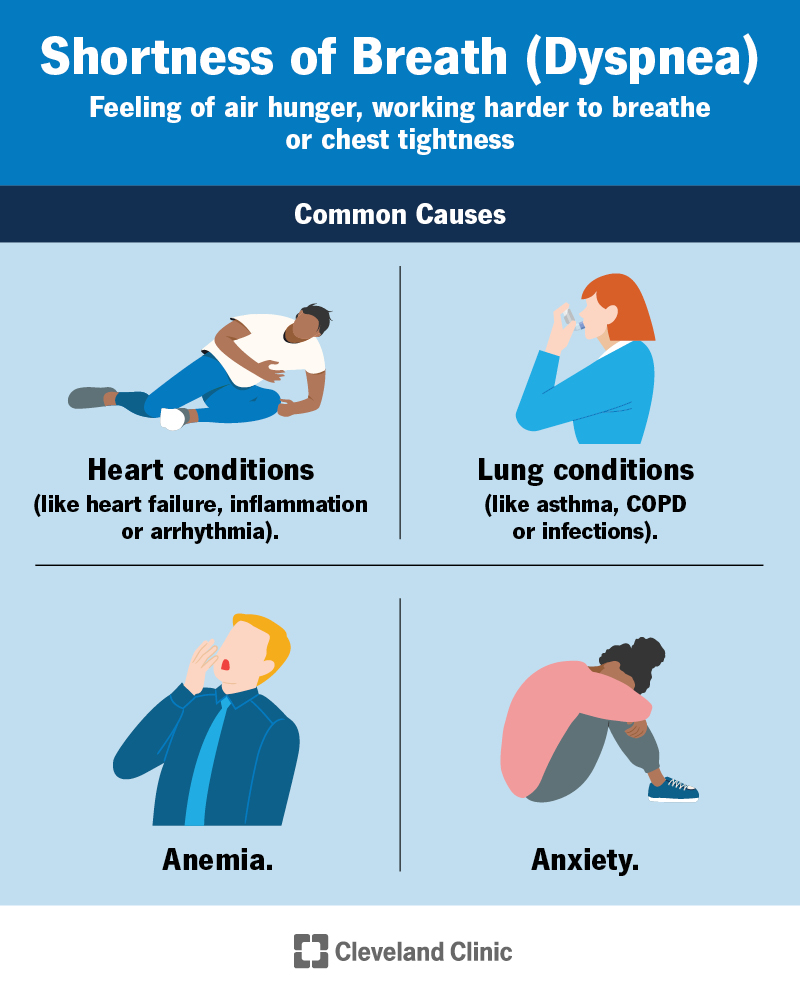
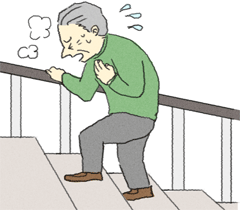
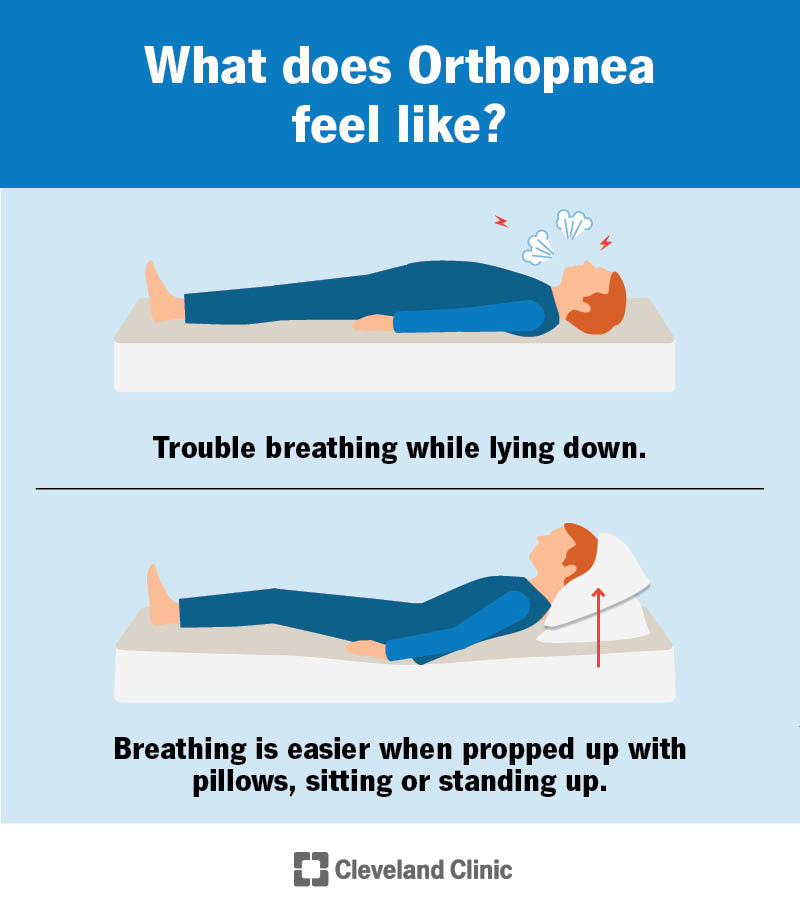
Struggling to breathe — even during light activity or while lying down — can be a serious sign of heart dysfunction.
When the heart is weak, fluid can back up into the lungs, making it difficult to breathe properly. This symptom often appears gradually but can worsen over time.
Warning patterns include:
- Feeling breathless after minimal exertion
- Waking up at night gasping for air
- Needing extra pillows to sleep comfortably
If breathing issues come on suddenly or worsen quickly, it may signal a medical emergency.
3. Chest Pain or Discomfort


Chest pain is the most well-known symptom of heart problems — but it doesn’t always feel like sharp pain. In many cases, it presents as pressure, tightness, or a squeezing sensation.
This condition, often referred to as angina, occurs when the heart muscle isn’t receiving enough oxygen-rich blood.
Common descriptions include:
- A heavy weight on the chest
- Burning or squeezing sensation
- Pain that spreads to the arm, neck, or jaw
Even mild or occasional chest discomfort should be taken seriously, particularly if it occurs during physical activity or stress.
4. Unusual Fatigue



Feeling tired after a long day is normal — but persistent, unexplained fatigue is not.
When the heart struggles to pump efficiently, your body receives less oxygen and nutrients. This leads to constant exhaustion, even after adequate rest.
Red flags include:
- Feeling drained after simple tasks
- Difficulty concentrating
- Sudden drop in energy levels without clear reason
In many cases, fatigue is one of the earliest signs, especially in women.
5. Irregular Heartbeat (Palpitations)

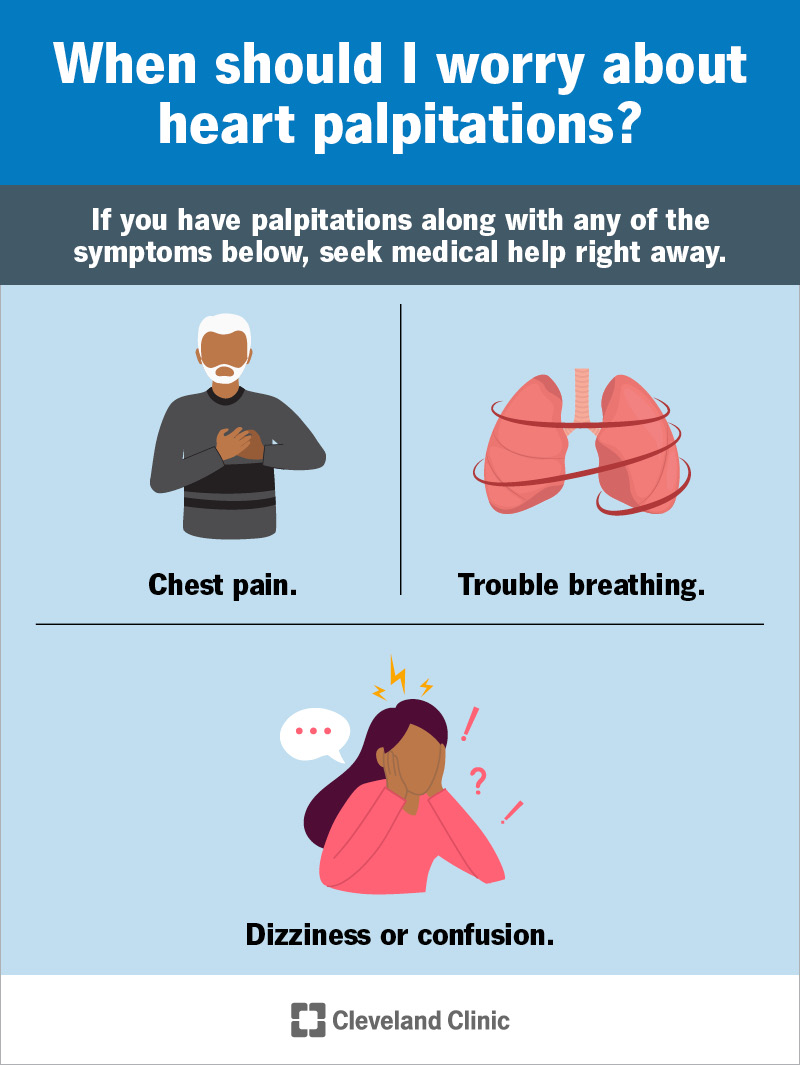
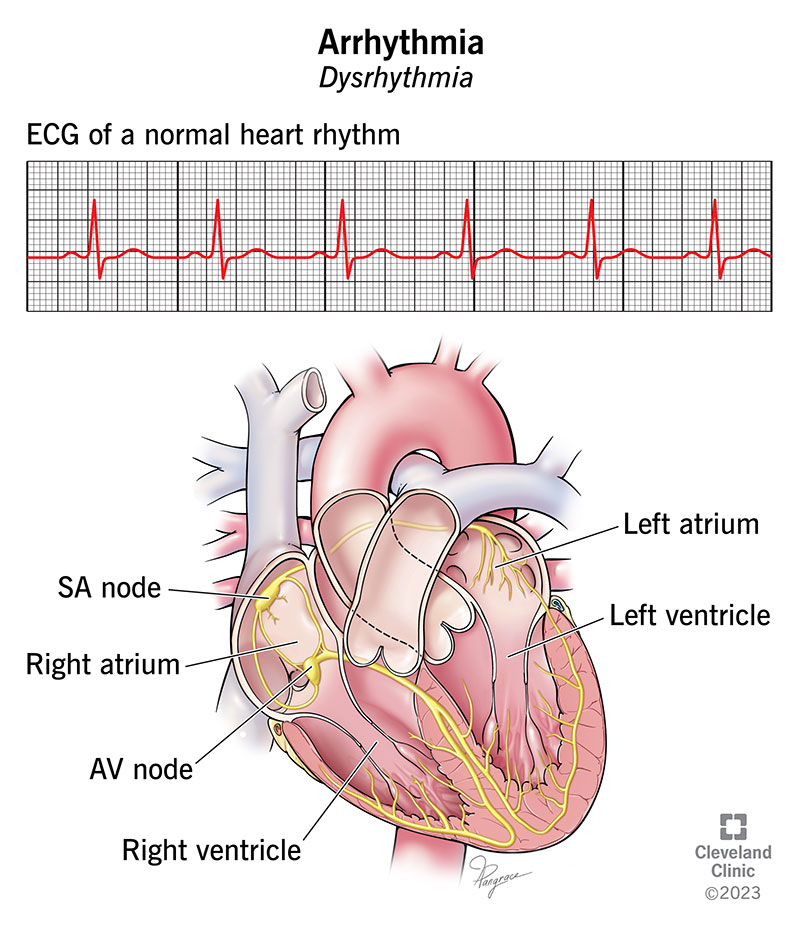
An irregular heartbeat — also known as arrhythmia — can feel like your heart is racing, fluttering, or skipping beats.
While occasional palpitations can be harmless, frequent or prolonged episodes may indicate a serious underlying issue.
Pay attention if you experience:
- Rapid or pounding heartbeat at rest
- A fluttering sensation in the chest
- Dizziness or lightheadedness همراه palpitations
Severe arrhythmias can increase the risk of stroke or sudden cardiac events if left untreated.
Final Thoughts
Your body often sends early warning signals when something is wrong — and your heart is no exception. Symptoms like swollen feet, breathlessness, chest discomfort, fatigue, and irregular heartbeat may seem unrelated, but together they can point to a serious cardiovascular issue.
Don’t ignore these signs. Early detection and timely medical care can prevent life-threatening complications.
If you notice one or more of these symptoms — especially if they persist or worsen — it’s crucial to seek medical evaluation as soon as possible.
Quick Reminder
- Listen to your body
- Don’t dismiss subtle changes
- Early action can save your life