A man’s experience with esophageal cancer has sparked concern after he shared how his first warning sign was initially dismissed. Like many others, he did not expect a serious illness at a relatively young age. However, what began as a mild and seemingly harmless symptom eventually led to a life-changing diagnosis.
His story highlights the importance of paying attention to early signs and advocating for your health when something doesn’t feel right.
The First Symptom That Seemed Harmless
According to the patient, the earliest symptom he noticed was difficulty swallowing. At first, it was subtle—he occasionally felt like food was getting stuck in his throat.
Because the discomfort was not severe, he assumed it was something minor, such as indigestion or eating too quickly. When he sought medical advice, the symptom was initially not considered serious.
Doctors suggested it could be related to acid reflux or temporary irritation, and no further testing was conducted at that time.
When the Condition Began to Worsen
Over time, the symptom did not go away. Instead, it gradually became more noticeable. Eating certain foods became uncomfortable, and swallowing required more effort.
In addition to this, he began experiencing other signs, including:
- Unexplained weight loss
- Persistent fatigue
- Occasional chest discomfort
At this stage, it became clear that something was not right, prompting further medical evaluation.
The Diagnosis: Esophageal Cancer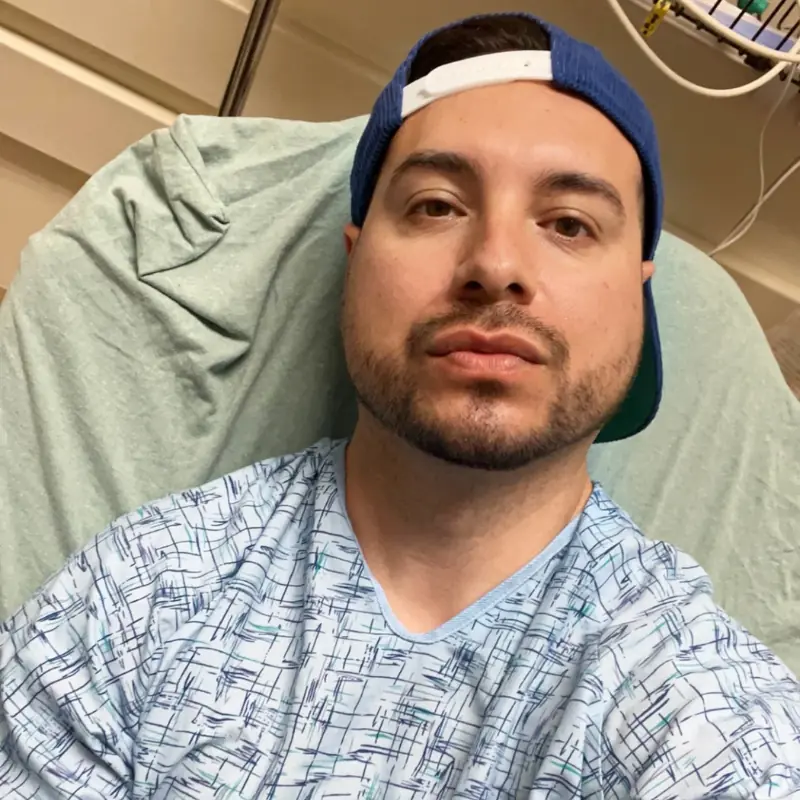
After additional tests, including imaging and endoscopy, doctors confirmed the diagnosis—esophageal cancer.
This type of cancer affects the esophagus, the tube that carries food from the mouth to the stomach. It is often difficult to detect early because symptoms can be mild or mistaken for less serious conditions.
By the time it is diagnosed, the disease may have already progressed, making early detection especially important.
Why Early Symptoms Are Often Overlooked
Esophageal cancer is known for its subtle early signs. Symptoms like mild swallowing difficulty or heartburn are common and often linked to non-serious issues.
Because of this, both patients and doctors may not immediately suspect a serious condition. This can lead to delays in diagnosis and treatment.
Other early symptoms may include:
- Frequent indigestion
- A feeling of food sticking in the throat
- Mild chest pain
- Chronic coughing
These symptoms can easily be misinterpreted, especially in younger individuals.
The Importance of Listening to Your Body
This case serves as a powerful reminder that persistent symptoms should never be ignored.
If something feels unusual or continues over time, it is important to seek a second opinion or request further testing. Early detection significantly improves treatment outcomes for many types of cancer.
Patients should feel empowered to advocate for themselves and push for answers when symptoms persist.
Who Is at Risk?
While esophageal cancer is more common in older adults, it can occur in younger individuals as well.
Risk factors may include:
- Chronic acid reflux
- Smoking
- Excessive alcohol consumption
- Obesity
However, some cases occur without clear risk factors, making awareness even more critical.
What You Can Learn from This Story
The man’s experience offers several important lessons:
- Do not ignore persistent symptoms
- Seek medical advice early
- Request further testing if symptoms continue
- Trust your instincts about your health
These steps can help detect serious conditions earlier and improve outcomes.
Conclusion
The story of this man diagnosed with esophageal cancer is a sobering reminder of how easily early warning signs can be overlooked.
What began as a minor swallowing issue turned into a serious diagnosis, emphasizing the need for awareness and proactive healthcare.
Recognizing and acting on early symptoms can make a life-saving difference. Listening to your body—and ensuring your concerns are taken seriously—remains one of the most important steps in protecting your health.