ur bodies are constantly communicating with us. Small changes in the skin, nails, energy levels, or even the shape of our toes can sometimes reveal deeper health imbalances. While many symptoms seem minor at first, they can be early warning signs that your body is asking for support.
Recognizing these signals early allows you to adjust your lifestyle, improve nutrition, and seek proper medical advice if necessary. Below are eight important signs that your body may need help, along with possible causes and what you can do about them.
)%20(20).jpg)
1. Curled or Overlapping Toes
If you notice a toe that bends upward or overlaps neighboring toes, it may be a condition commonly known as hammer toe.
Possible causes
-
Muscle imbalance in the foot
-
Wearing tight or narrow shoes
-
Arthritis
-
Nerve damage
-
Genetic foot structure
Why it matters
When toes remain bent for long periods, the muscles and tendons shorten, making the condition harder to reverse. This may cause pain, corns, or difficulty walking.
What may help
-
Wear wider, supportive footwear
-
Perform foot stretching exercises
-
Use orthotic inserts
-
Maintain a healthy body weight
If pain or stiffness increases, consulting a podiatrist can help prevent worsening.
2. Persistent Fatigue

Feeling tired occasionally is normal, but constant exhaustion even after adequate sleep may indicate underlying problems.
Possible causes
-
Iron deficiency
-
Vitamin B12 deficiency
-
Thyroid imbalance
-
Chronic stress
-
Poor sleep quality
Signs to watch for
-
Difficulty concentrating
-
Frequent headaches
-
Feeling weak or dizzy
-
Lack of motivation
What you can do
Improving sleep hygiene, eating balanced meals, staying hydrated, and managing stress often help restore energy levels.
3. Brittle or Peeling Nails
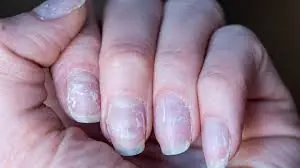
Your nails often reflect your internal health.
Possible causes
-
Iron deficiency
-
Lack of biotin or protein
-
Thyroid disorders
-
Dehydration
Signs to watch for
-
Nails that split easily
-
Peeling layers
-
Vertical ridges
What may help
-
Increase protein intake
-
Eat foods rich in biotin and iron
-
Stay hydrated
-
Avoid harsh nail chemicals
4. Dry or Cracked Skin
Skin dryness is common during colder months, but chronic dryness may signal deeper issues.
Possible causes
-
Dehydration
-
Vitamin A deficiency
-
Omega-3 deficiency
-
Hormonal imbalance
Areas commonly affected
-
Hands
-
Elbows
-
Heels
-
Face
Helpful habits
-
Drink enough water
-
Include healthy fats like nuts, seeds, and fish
-
Use gentle moisturizers
5. Frequent Muscle Cramps
Sudden muscle cramps—especially at night—may occur when the body lacks key minerals.
Possible causes
-
Magnesium deficiency
-
Potassium imbalance
-
Dehydration
-
Overexertion
What may help
-
Eat potassium-rich foods like bananas and avocados
-
Stay hydrated
-
Stretch regularly
Persistent cramps should be evaluated by a healthcare professional.
6. Pale or Swollen Tongue
The tongue can provide clues about internal health.
Possible causes
-
Iron deficiency anemia
-
Vitamin B12 deficiency
-
Folate deficiency
-
Infections
Signs to watch
-
Smooth tongue surface
-
Swelling
-
Pale coloration
Improving nutrition and checking vitamin levels may help address the issue.
7. Sudden Hair Thinning
Hair health is closely linked to nutrition and hormone balance.
Possible causes
-
Iron deficiency
-
Protein deficiency
-
Hormonal fluctuations
-
Chronic stress
Helpful habits
-
Eat protein-rich foods
-
Maintain a balanced diet
-
Reduce stress through exercise or meditation
If hair loss becomes severe or sudden, medical evaluation is recommended.
8. Constant Sugar Cravings
Craving sweets occasionally is normal, but persistent sugar cravings may signal imbalance.
Possible causes
-
Blood sugar fluctuations
-
Lack of sleep
-
Nutrient deficiencies
-
High stress levels
How to manage it
-
Eat balanced meals with protein and fiber
-
Avoid highly processed foods
-
Maintain stable sleep patterns
Final Thoughts
Your body rarely develops symptoms without a reason. Changes in your feet, nails, skin, energy levels, or appetite can be subtle hints that something needs attention.
Paying attention to these signals can help you:
-
Improve your nutrition
-
Adjust lifestyle habits
-
Detect potential health issues earlier
While these signs do not always indicate serious illness, they are reminders that your body deserves care and attention.
Listening to your body is one of the most powerful ways to maintain long-term health and well-being.