Turmeric: A Useful Kitchen Spice and What It May Do for Women’s Health
Turmeric (Curcuma longa) is a bright yellow spice commonly used in cooking across South Asian and Middle Eastern cuisines. Beyond its flavor and color, turmeric has long been studied for its potential effects on health — mainly because of a compound it contains called curcumin.
What Turmeric Contains
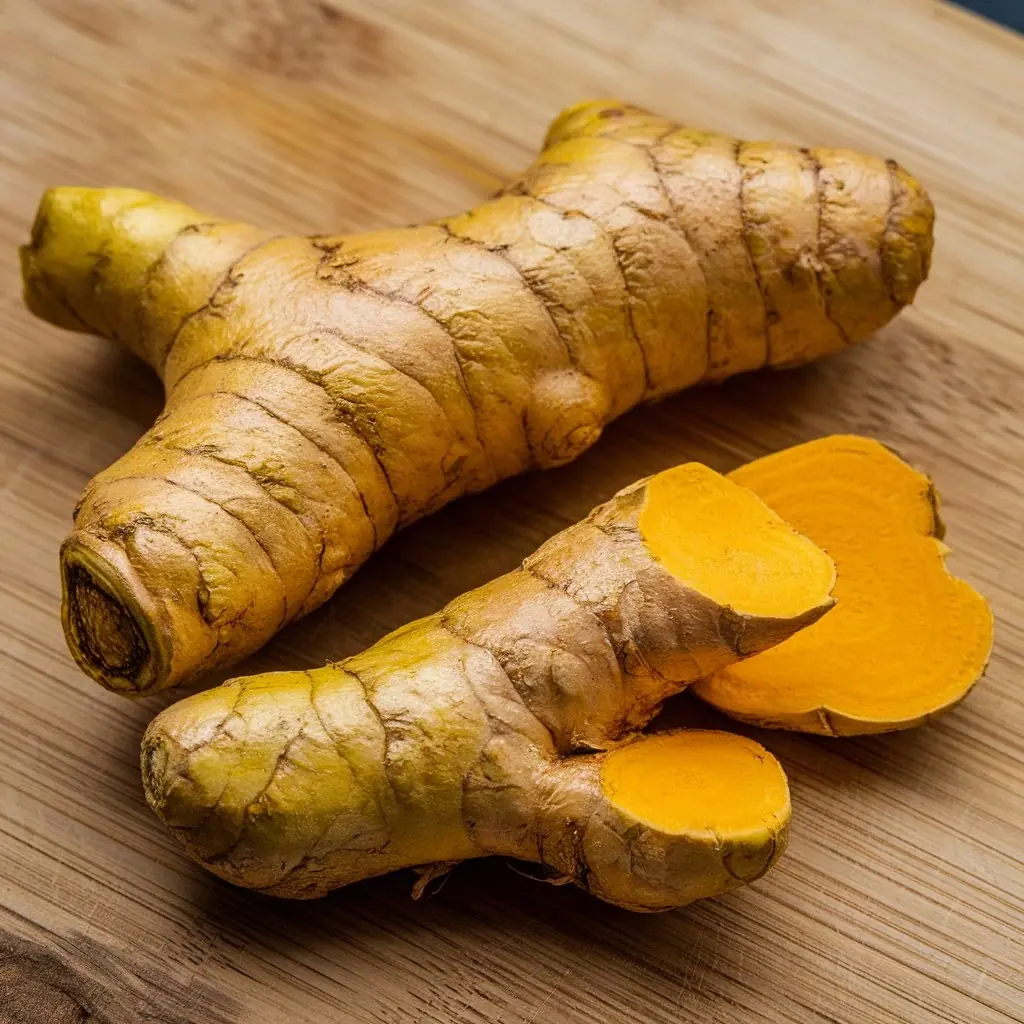
The most notable component of turmeric is curcumin, a bioactive polyphenol that gives the spice its golden color and has antioxidant and anti‑inflammatory properties. These characteristics are thought to play a role in many of turmeric’s potential effects on human health.
1. Moderate Support for Heart Health
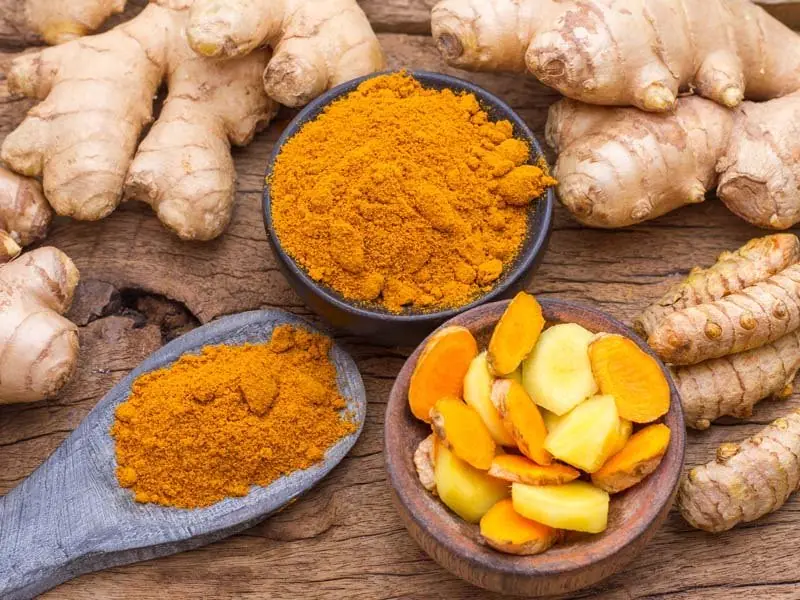
Turmeric’s anti‑inflammatory and antioxidant effects may contribute to aspects of cardiovascular health. Some research suggests that curcumin can help reduce inflammation and oxidative stress, which are factors in heart disease. However, the evidence is not strong enough to recommend turmeric as a substitute for proven medical treatments.
2. Potential Joint Comfort Support
Because curcumin can act against inflammation, studies have examined turmeric for conditions such as osteoarthritis and joint discomfort. Some individuals report relief when turmeric is part of their diet, but effects can vary, and more research is needed to define how effective it truly is.
3. Antioxidant Effects
Turmeric is rich in antioxidants, which help neutralize free radicals — unstable molecules that can damage cells over time. Antioxidants play a general role in supporting overall health and may help protect cells in various ways.
4. Possible Benefits for Women’s Reproductive Health
Some experimental studies have looked at curcumin’s effects on female reproductive conditions such as polycystic ovary syndrome (PCOS), ovarian function, and endometriosis. Laboratory and animal research indicates curcumin’s anti‑inflammatory and antioxidant activities may influence biological processes related to these disorders. However, clinical evidence in humans is still limited, and curcumin cannot be considered a proven treatment for reproductive disorders.
5. Other Areas Under Study
Research has also explored turmeric or curcumin’s potential impact on:
- Digestive comfort and gut function
- Skin health
- Metabolic factors such as cholesterol
- Brain function and mood-related markers
Results vary and often require more extensive human studies to draw firm conclusions.
Important Considerations
- Absorption: Curcumin has poor natural bioavailability, meaning the body doesn’t absorb it efficiently on its own. Consuming turmeric with black pepper (piperine) or healthy fats can help boost absorption.
- Supplements vs. Food: Whole turmeric used in cooking is generally safe for most people. High‑dose supplements, by contrast, may carry risks and interact with medications, such as blood thinners or chemotherapy drugs.
- Not a Replacement for Medical Care: While turmeric may complement a healthy diet, it should not be used as a sole treatment for medical conditions without professional guidance.
Conclusion
Turmeric is a widely used spice that contains curcumin, a compound with antioxidant and anti‑inflammatory activities that may support general health when included as part of a balanced diet. Some areas — such as joint comfort, cardiovascular markers, and reproductive health — are being studied, but current evidence is not strong enough to make definitive therapeutic claims. If you’re considering turmeric supplements or using turmeric for specific health goals, consulting a healthcare provider first is recommended.