
Why Are Women’s Showers So Much Hotter Than Men’s? A Doctor Explains
Doctor Reveals Why Women Prefer Much Hotter Showers Than Men
Health 26/03/2026 12:15
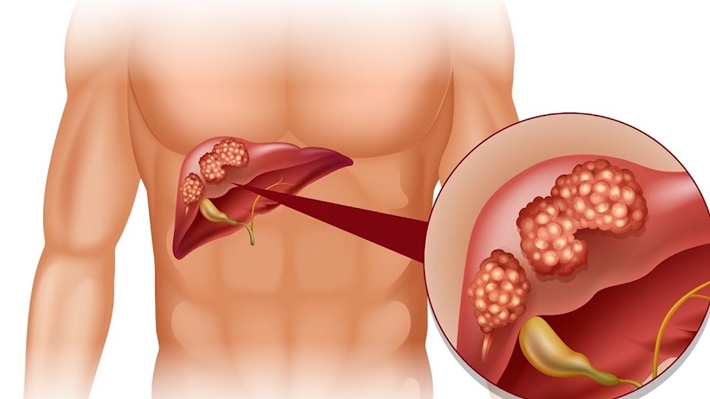
The liver is one of the most vital organs in the human body, responsible for detoxification, metabolism, and nutrient storage. Despite its resilience, the liver can become stressed or damaged due to poor lifestyle habits, infections, or underlying medical conditions. Unfortunately, liver problems often develop silently, with subtle signs that are easy to overlook.
In recent years, health professionals have used the phrase “3 yellows and 1 red” as a simple way to describe visible warning signs that may indicate liver dysfunction. Recognizing these signs early can help prevent more serious complications.
The phrase refers to four physical indicators that may suggest your liver is under stress:
These symptoms are often linked to imbalances in bilirubin levels, circulation, and liver detoxification processes.
One of the most well-known signs of liver problems is jaundice, a condition where the skin takes on a yellowish tint. This happens when bilirubin—a yellow pigment produced during the breakdown of red blood cells—builds up in the body.
A healthy liver processes and eliminates bilirubin efficiently. However, when the liver is impaired, this process slows down, leading to visible discoloration of the skin.
Jaundice is not a condition itself but a warning sign that should never be ignored.
The whites of the eyes, known as the sclera, are often one of the first places where yellowing becomes noticeable. This occurs for the same reason as jaundice—excess bilirubin in the bloodstream.
Because the eyes are more sensitive to changes in color, even mild liver dysfunction can sometimes be detected here before it becomes obvious on the skin.
If you notice your eyes appearing yellowish, it is important to seek medical evaluation promptly.
Changes in urine color can also signal liver stress. When bilirubin levels rise, it may be excreted through urine, causing it to appear darker than usual—often described as deep yellow, amber, or even brownish.
While dehydration can also darken urine, persistent changes—especially when combined with other symptoms—may indicate an underlying liver issue.
Monitoring urine color is a simple but effective way to stay aware of your body’s internal condition.
The “1 red” in this warning sign refers to red or flushed palms, a condition known as palmar erythema. This symptom is associated with changes in blood flow and hormone levels, which can occur when the liver is not functioning properly.
The palms may appear unusually red, warm, or blotchy, particularly around the base of the thumb and little finger.
Although this symptom can have other causes, its presence alongside the “3 yellows” may strengthen the suspicion of liver dysfunction.
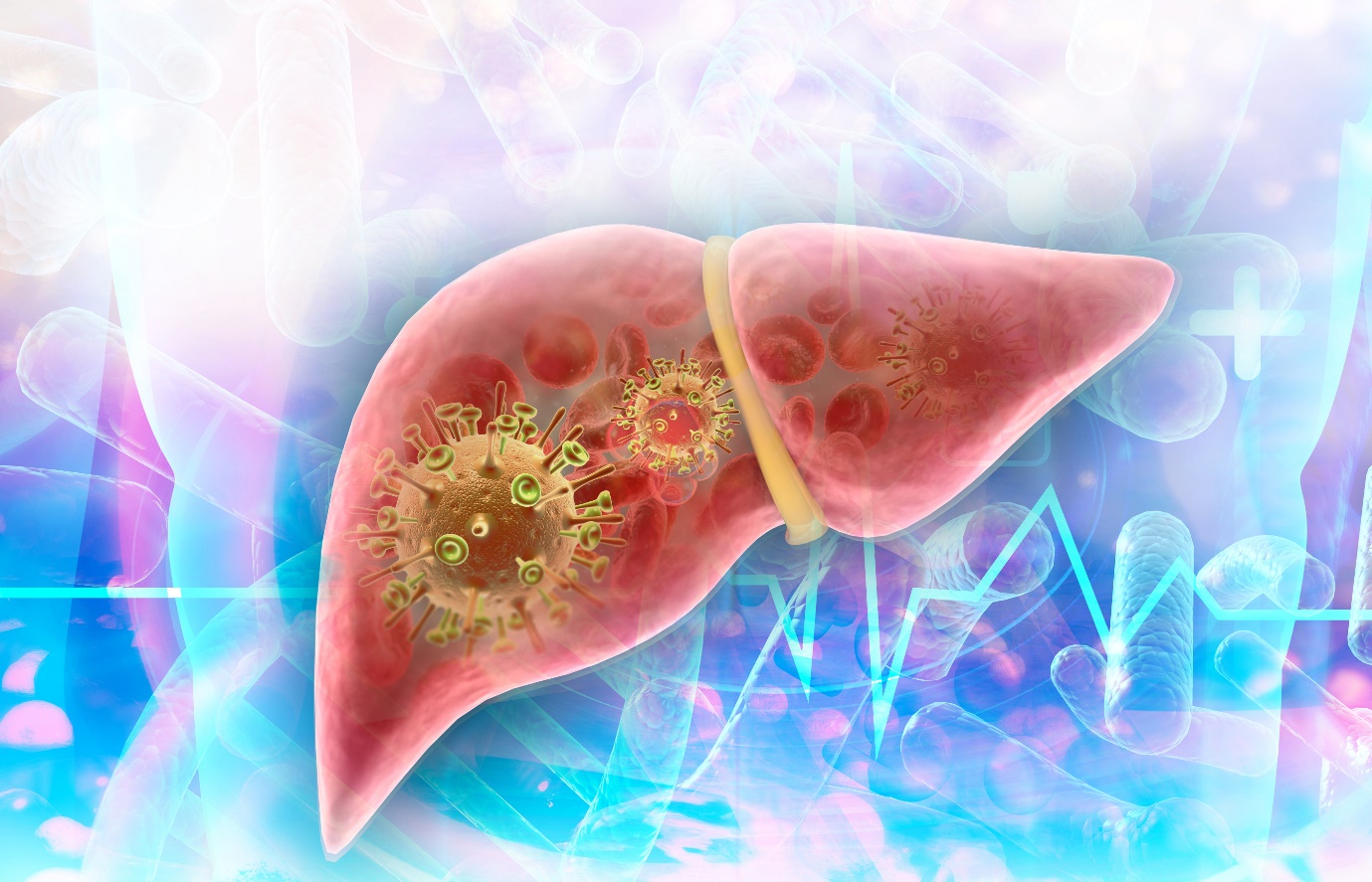
The liver plays a central role in filtering toxins, regulating blood composition, and processing waste products. When it becomes damaged—due to conditions such as fatty liver disease, hepatitis, or excessive alcohol consumption—its ability to perform these functions is compromised.
As a result:
These internal changes eventually manifest as visible symptoms on the skin, eyes, and other parts of the body.
Several lifestyle and medical factors can contribute to liver problems, including:
Understanding these risk factors can help you take preventive action.
Seeing one of these signs does not automatically mean you have a serious liver condition. However, if multiple symptoms appear together or persist over time, it is important to consult a healthcare professional.
Early detection is crucial because many liver conditions are reversible in their initial stages. Ignoring these warning signs may allow the problem to progress into more severe diseases such as cirrhosis or liver failure.
Protecting your liver involves adopting healthy daily habits:
Regular health check-ups can also help monitor liver function and detect issues early.
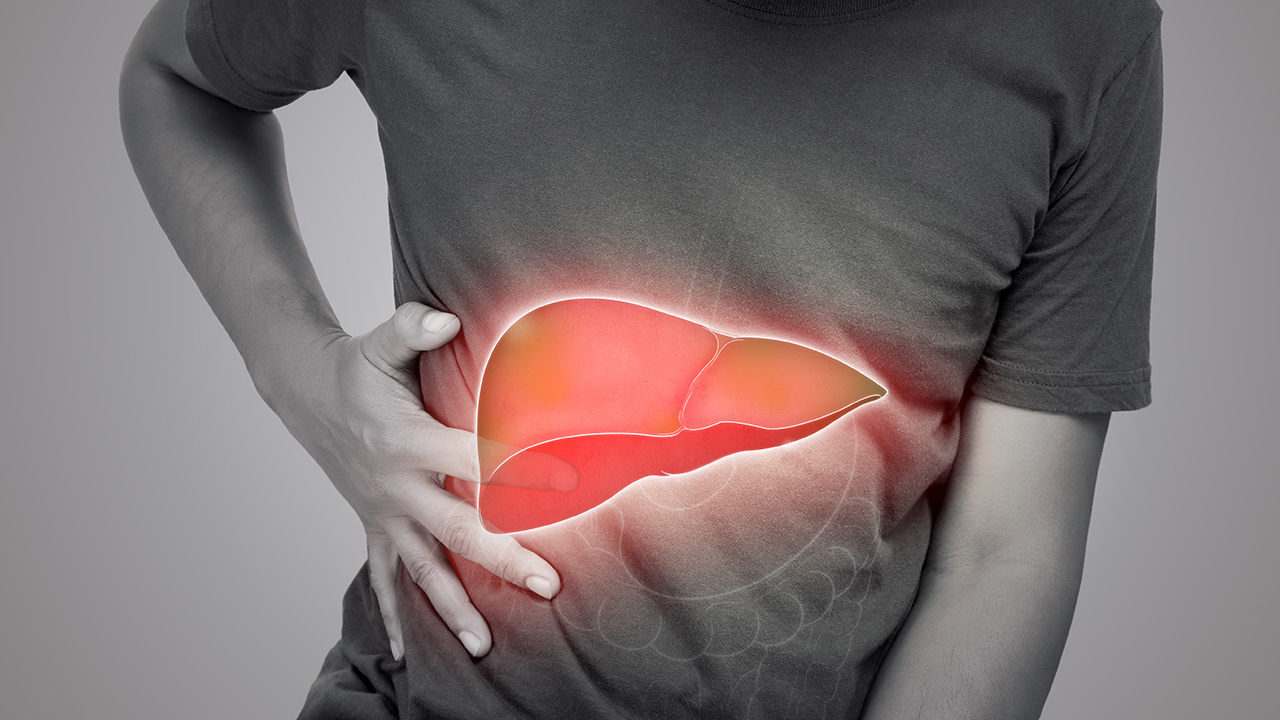
The concept of “3 yellows and 1 red” offers a simple yet powerful way to recognize potential warning signs of liver dysfunction. Yellowing of the skin, eyes, and urine, along with red palms, may indicate that your liver is under stress and needs attention.
While these signs are not definitive diagnoses, they serve as important reminders to listen to your body. Taking action early can make a significant difference in maintaining liver health and preventing serious complications.
Your liver works tirelessly to keep your body functioning - paying attention to these signals is one of the best ways to return the favor.
Doctor Reveals Why Women Prefer Much Hotter Showers Than Men

The best times to eat sweet potatoes: 5 tips for maximum health benefits

6 meats you should limit or watch out for because of possible health issues
A widely consumed drink that might reduce bone strength if taken regularly
You Won’t Believe What Happens When You Eat Peanuts Every Day

Who should limit eating chicken? 5 types of people to know

6 things you do daily that can negatively impact your immune system
How Simple Water Fasts Can Transform Your Health, From Immunity to Heart Wellness
10 potential symptoms of early-stage kidney can.cer that need evaluation
How you position your body during sleep can influence your health

What happens to your body when you start each day with ginger and red date tea?

What Eating Cottage Cheese Every Day Could Do to Your Health…
Drinking More, Losing Strength: 3 Hidden Threats That Drain Calcium from Your Bones
The natural rhythm of sleeping all night and at the same time helping to burn fat

What happens when you drink cucumber water daily?

What happened in the bathroom shocked everyone
A stroke doesn’t always come suddenly—watch for these 8 warning signs

This common condition affects millions of women—but many don’t know
Doctor Reveals Why Women Prefer Much Hotter Showers Than Men
The best times to eat sweet potatoes: 5 tips for maximum health benefits
6 meats you should limit or watch out for because of possible health issues

Dog’s Selfless Act of Sharing Food with Stray Cat Leaves Owner Speechless
A widely consumed drink that might reduce bone strength if taken regularly
You Won’t Believe What Happens When You Eat Peanuts Every Day
Who should limit eating chicken? 5 types of people to know
6 things you do daily that can negatively impact your immune system
How Simple Water Fasts Can Transform Your Health, From Immunity to Heart Wellness
10 potential symptoms of early-stage kidney can.cer that need evaluation
How you position your body during sleep can influence your health
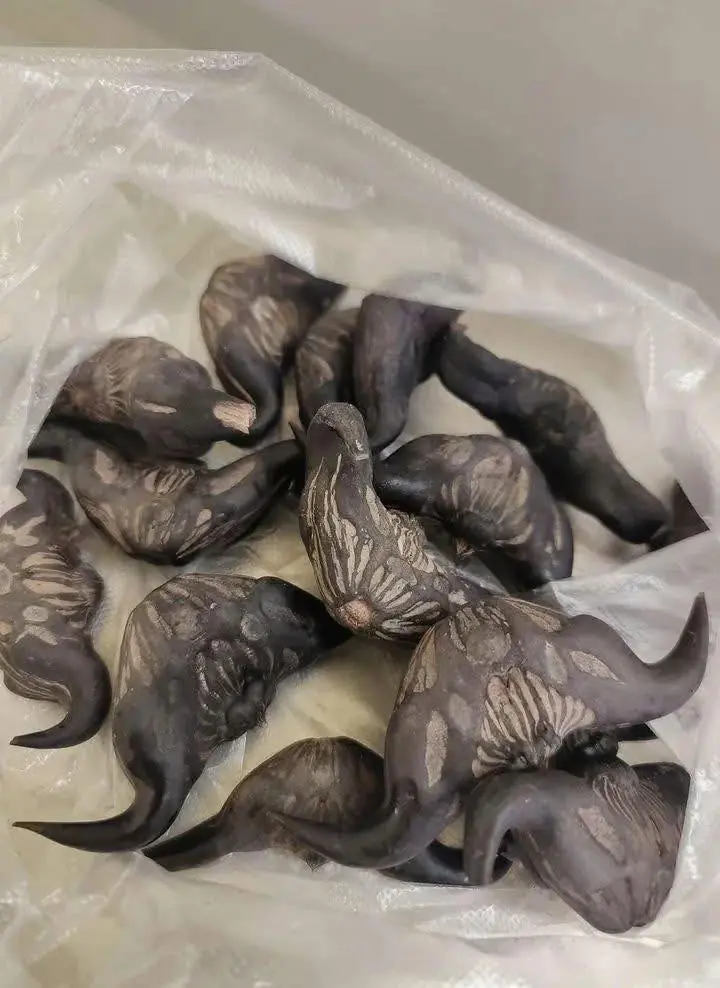
My Neighbor Dropped Off a Bag of These… What Are They Supposed to Be?
What happens to your body when you start each day with ginger and red date tea?

Dog Protests Walk Until the “Right” Human Joins
What Eating Cottage Cheese Every Day Could Do to Your Health…

Doctors Reveal That This Simple Habit Might Be Quietly Causing…
Drinking More, Losing Strength: 3 Hidden Threats That Drain Calcium from Your Bones
The natural rhythm of sleeping all night and at the same time helping to burn fat