Is It Safe to Eat Potatoes With Sprouts On Them? What You Need to Know
Potatoes are one of the most versatile and widely consumed vegetables around the world. From mashed and baked to fried and roasted, they’re a staple in countless dishes. But sometimes, when you open your pantry, you may notice that your potatoes have begun to sprout. Naturally, a question arises: Is it safe to eat potatoes with sprouts on them?
The answer isn’t a simple yes or no. It depends on the potato’s condition and how you handle it. Let’s break it down so you can enjoy your spuds safely.
Why Do Potatoes Sprout?
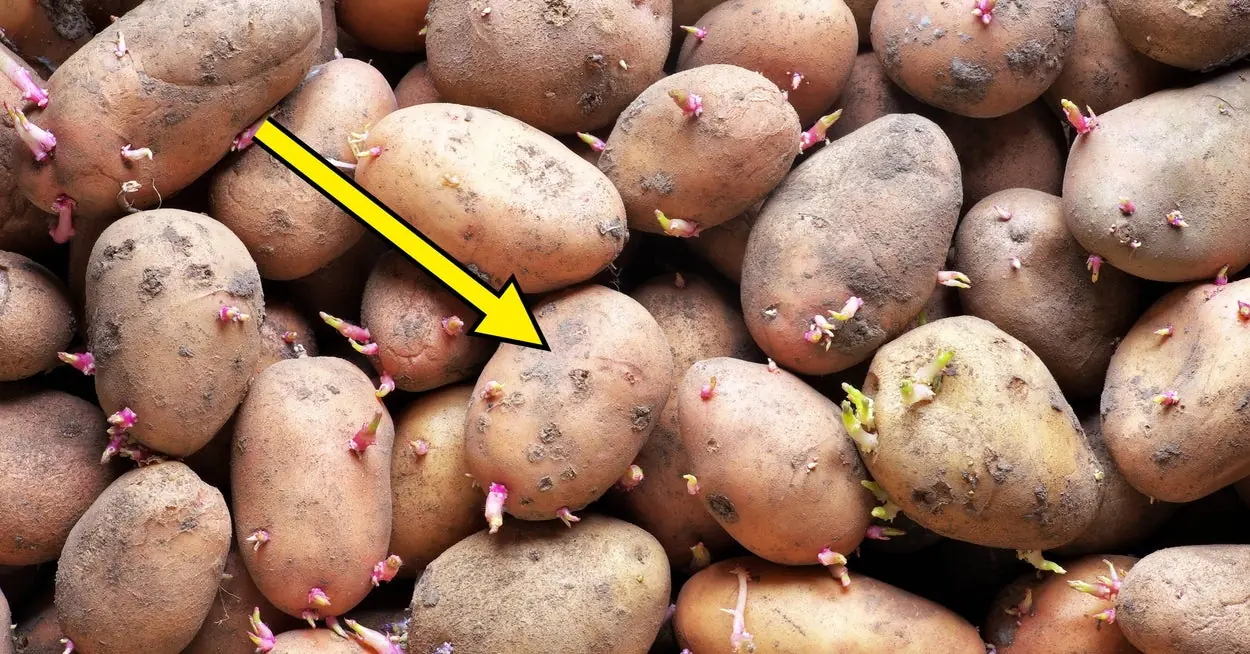
Potatoes are living organisms, and even after being harvested, they continue to grow. Sprouting is the potato’s natural way of preparing to grow new plants.
Several factors encourage sprouting:
- Light exposure: Potatoes stored in a bright area are more likely to sprout.
- Warm temperatures: Heat accelerates sprout formation.
- Moisture: Damp conditions can encourage growth.
When a potato sprouts, it signals that it is still alive, but it may also indicate that certain chemical changes are taking place inside the potato.
The Risk: Solanine and Chaconine
Sprouted potatoes contain higher levels of glycoalkaloids, mainly solanine and chaconine. These naturally occurring toxins are part of the plant’s defense mechanism against insects, pests, and disease.
Eating potatoes with high levels of solanine or chaconine can lead to poisoning, which may cause:
- Nausea and vomiting
- Stomach cramps
- Diarrhea
- Headaches
- In severe cases, neurological symptoms such as confusion or drowsiness
Fortunately, the risk is mostly associated with green or heavily sprouted potatoes, not those with small, fresh sprouts.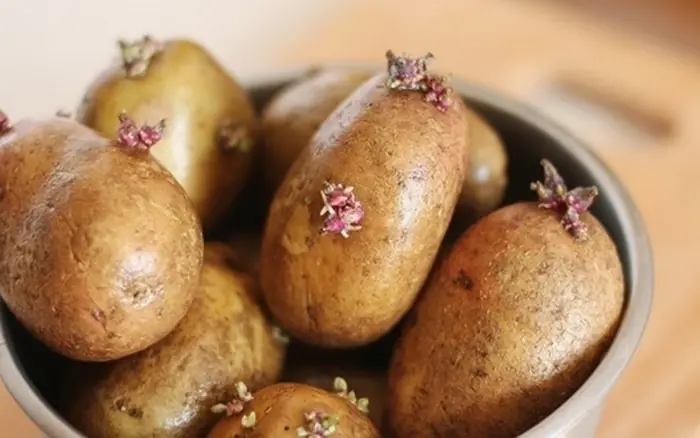
How to Tell If a Potato Is Safe to Eat
Here are some guidelines to help you decide whether to eat a sprouted potato:
- Check the size of the sprouts:
- Small, thin sprouts (less than 1 inch) are generally safe if removed before cooking.
- Large, thick sprouts indicate higher toxin levels; it’s best to discard these potatoes.
- Look for green spots:
- Green areas on the skin also indicate solanine buildup. Always peel away green sections before cooking.
- If the potato is extensively green, throw it away.
- Check texture and smell:
- Firm potatoes with no soft spots or bad odor are safer to eat.
- Mushy, wrinkled, or foul-smelling potatoes should be discarded.
How to Safely Prepare Sprouted Potatoes
If your potato has small sprouts and passes the safety checks, follow these steps:
- Remove all sprouts: Use a knife or vegetable peeler to cut them out.
- Peel the potato: Most solanine is concentrated in the skin, so peeling reduces risk.
- Cook thoroughly: Boiling, baking, or frying destroys some of the toxins and improves digestibility.
Note: Do not eat raw sprouted potatoes, as the toxins are heat-stable and can still cause harm if consumed uncooked.
How to Prevent Potatoes from Sprouting
The best approach is prevention. Here are tips to keep your potatoes fresh longer:
- Store potatoes in a cool, dark, and dry place (ideally 45–50°F or 7–10°C).
- Avoid storing them near onions, as gases from onions can accelerate sprouting.
- Check your potatoes regularly and remove any that start to sprout early.
- Use paper bags or breathable containers instead of plastic bags, which trap moisture and promote sprouting.
Bottom Line
Potatoes with small sprouts can be safe to eat if you remove the sprouts, peel the potato, and cook it thoroughly. However, potatoes that are heavily sprouted, green, or soft should be discarded.
Sprouting is a natural process, but it’s also a warning sign from nature: some chemical changes are happening inside the potato. Paying attention to these signals ensures you stay safe while still enjoying one of the world’s most beloved vegetables.
Quick Safety Tips:
- Remove small sprouts before cooking
- Peel potatoes if they have green spots
- Discard potatoes that are heavily sprouted, green, or mushy
- Cook potatoes thoroughly before eating
- Store potatoes in a cool, dark, and dry place
By following these simple precautions, you can enjoy your potatoes without worrying about solanine or other toxins. Sprouting doesn’t have to mean wasting food, but it does mean you need to be a little careful.