Sleep is not only about how many hours you get each night - it’s also about how you position your body while resting. Your sleeping posture can significantly impact your physical health, influencing everything from spinal alignment and breathing to digestion and muscle recovery. Many people overlook this factor, but the way you sleep can either support your body’s natural healing process or quietly contribute to long-term discomfort and health issues.
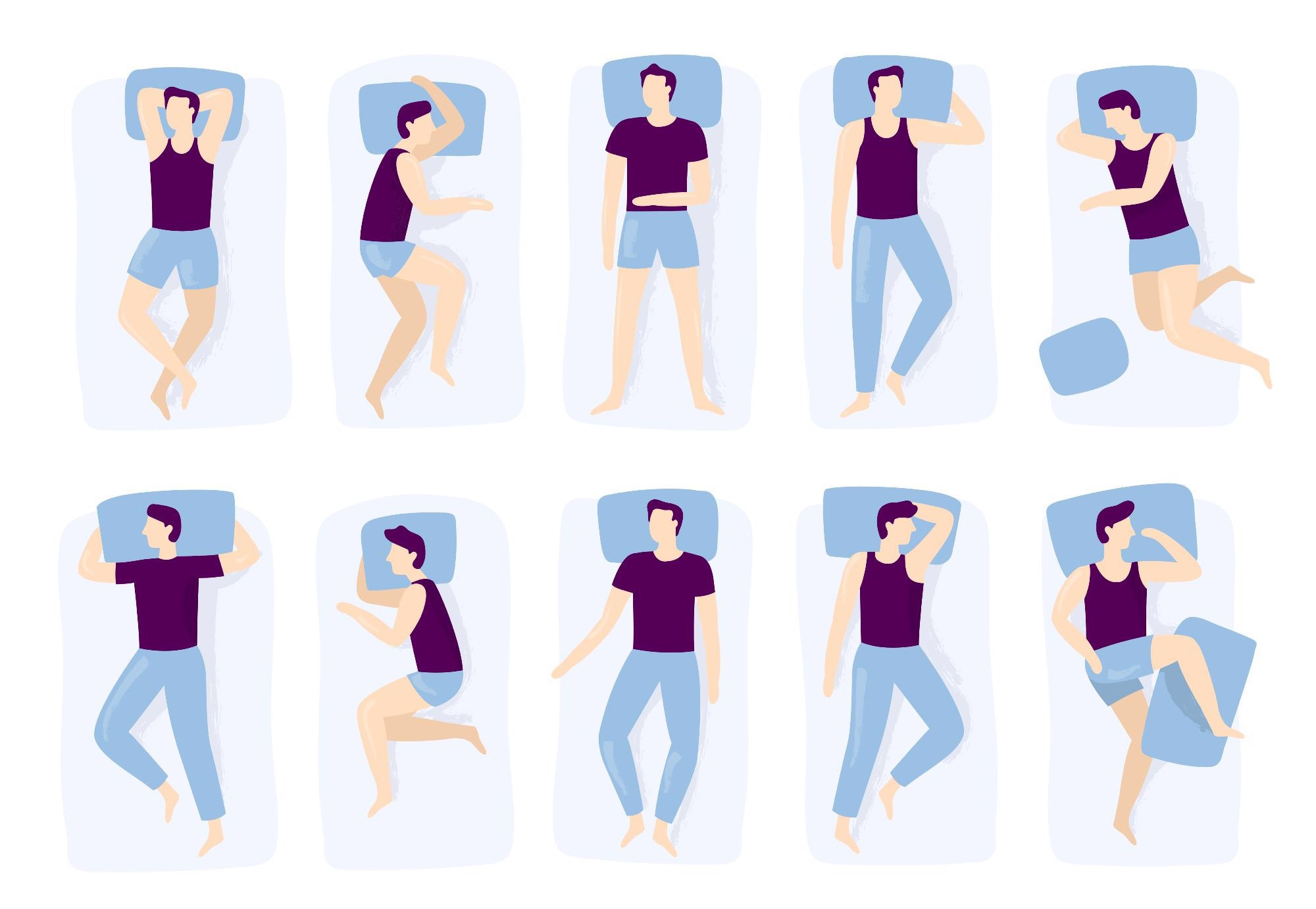
Why Sleeping Position Matters
During sleep, your body enters a state of repair and restoration. Muscles relax, tissues regenerate, and your spine decompresses from the stress of daily activities. However, if your sleeping position puts strain on certain parts of your body, this recovery process can be disrupted.
For example, poor alignment can lead to:
- Chronic neck and back pain
- Increased pressure on joints
- Poor blood circulation
- Digestive issues
- Breathing problems such as snoring or sleep apnea
In contrast, a proper sleeping position helps maintain the natural curves of your spine, reduces tension, and improves overall sleep quality.
Side Sleeping: A Balanced and Healthy Choice
Sleeping on your side is often considered one of the healthiest positions. It allows your spine to remain in a neutral alignment while reducing pressure on the lower back.
One major advantage of side sleeping is its effect on digestion. Lying on the left side, in particular, can help food move more efficiently through the digestive system. This position is also beneficial for people who experience acid reflux, as it prevents stomach acid from flowing back into the esophagus.
Additionally, side sleeping can improve breathing. It keeps airways open, reducing snoring and symptoms of sleep apnea. This makes it a popular recommendation for people with respiratory concerns.
However, without proper support, side sleeping can place pressure on the shoulders and hips. Using a pillow between the knees can help align the hips and reduce strain on the lower back.
Back Sleeping: Ideal for Alignment but Not for Everyone
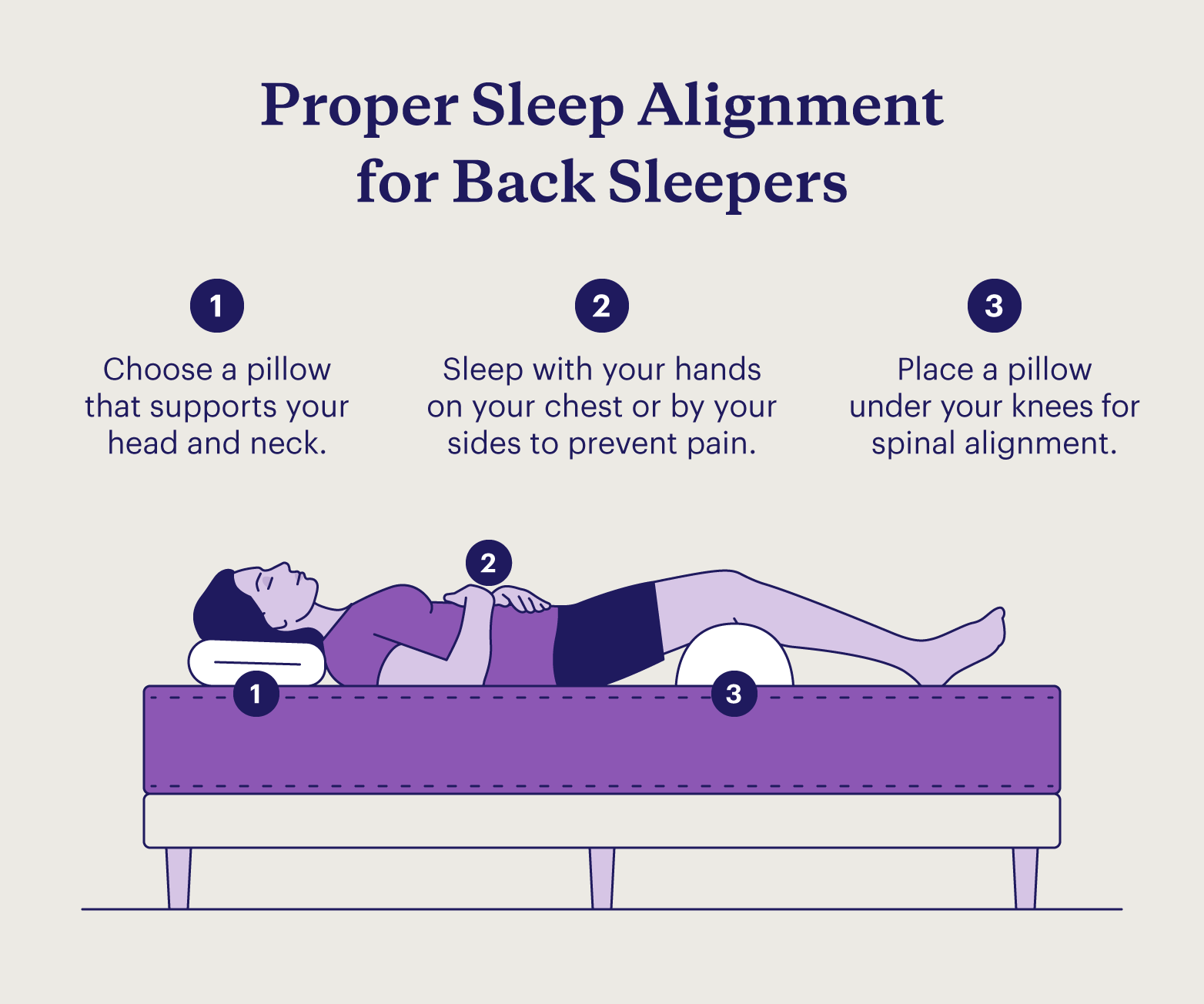
Sleeping on your back is often praised for its ability to maintain proper spinal alignment. In this position, your head, neck, and spine can rest in a neutral posture, which helps prevent unnecessary strain.
Another benefit is that back sleeping distributes body weight evenly, reducing pressure points. It may also help prevent wrinkles since your face is not pressed against a pillow.
However, this position is not suitable for everyone. One of its biggest drawbacks is that it can worsen snoring and obstructive sleep apnea. When lying on your back, gravity can cause the tongue and soft tissues in the throat to collapse backward, blocking the airway.
To improve comfort and support in this position, placing a pillow under your knees can help maintain the natural curve of your lower back.

Stomach Sleeping: Comfortable but Problematic
While some people find stomach sleeping comfortable, it is generally considered the least healthy sleeping position. This is because it forces your neck into a rotated position for long periods, which can strain muscles and lead to stiffness or pain.
Additionally, sleeping on your stomach flattens the natural curve of your spine, increasing pressure on your back and joints. Over time, this can contribute to chronic discomfort.
If you are used to sleeping this way and find it difficult to change, you can reduce strain by using a very thin pillow or none at all. Gradually transitioning to side sleeping is often recommended for better long-term health.
Choosing the Right Position for Your Needs
There is no one-size-fits-all answer when it comes to the best sleeping position. The ideal posture depends on your body and any specific health conditions you may have.
- If you suffer from back pain, side sleeping with proper support can be beneficial
- If you experience acid reflux, sleeping on your left side or elevating your upper body may help
- If you snore frequently, avoiding back sleeping is often recommended
- If you have neck pain, focus on using a pillow that supports the natural curve of your neck
Your mattress and pillow also play a crucial role. Even the best sleeping position can become harmful without proper support.
The Long-Term Impact of Sleep Posture
Your sleeping position is a habit that repeats every night, making its effects cumulative over time. Poor posture during sleep may not cause immediate problems, but it can gradually lead to discomfort, reduced mobility, and even chronic pain conditions.
On the other hand, maintaining a healthy sleeping position can:
- Improve sleep quality
- Reduce pain and stiffness
- Enhance breathing and circulation
- Support overall physical recovery
Conclusion
Your sleeping position is more than just a personal preference - it is a key factor in your physical well-being. By paying attention to how you sleep and making small adjustments, you can protect your spine, improve your breathing, and wake up feeling more refreshed.
In the long run, something as simple as changing your sleeping posture can make a meaningful difference in your overall health and quality of life.