Warning Signs You May Have Fib.roids: Symptoms Women Should Not Ignore
Uterine fibroids are one of the most common non-cancerous growths affecting women of reproductive age. Although they are typically benign, fibroids can significantly impact daily life depending on their size, number, and location. Many women may not even realize they have fibroids until symptoms become more noticeable.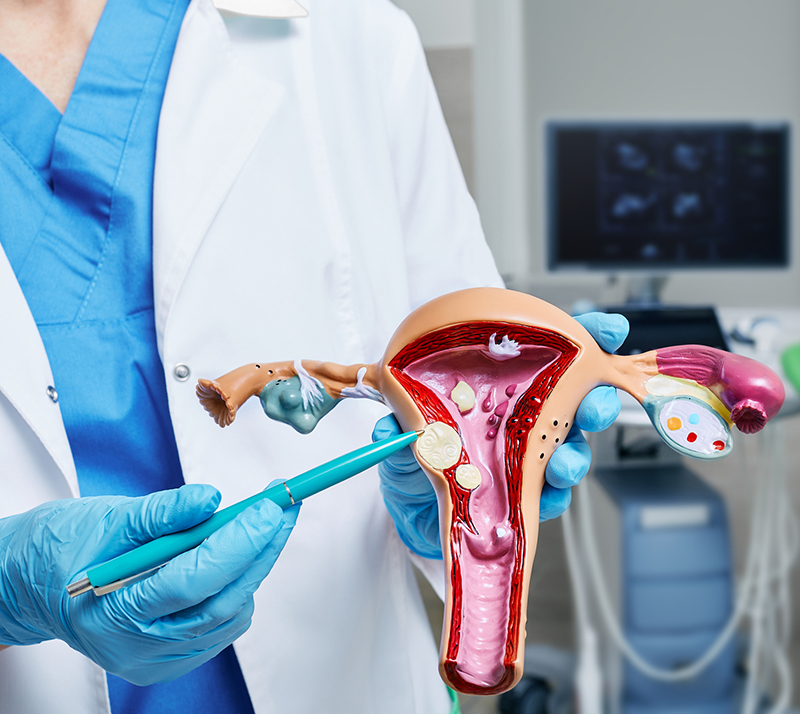
According to health experts, recognizing early warning signs is crucial for timely diagnosis and treatment. Here are the key symptoms you should not ignore:
1. Heavy or Prolonged Menstrual Bleeding
One of the most common signs of fibroids is unusually heavy or long periods. Women may experience bleeding that lasts more than a week, requires frequent pad changes, or includes large clots.
Over time, this can lead to anemia, causing fatigue, dizziness, and weakness.
2. Pelvic Pain and Pressure
Fibroids can create a persistent feeling of pressure or pain in the lower abdomen. Some women describe it as a constant heaviness or discomfort that worsens during menstruation.
In some cases, the pain may radiate to the lower back or hips.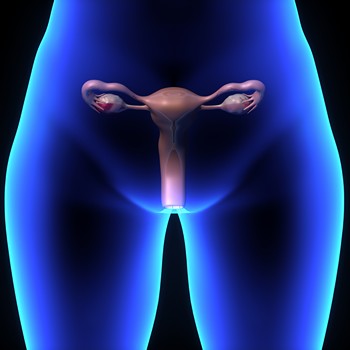
3. Frequent Urination
As fibroids grow, they may press against the bladder, reducing its capacity. This can cause a frequent urge to urinate or difficulty fully emptying the bladder.
This symptom is often mistaken for urinary issues rather than a reproductive health condition.
4. Bloating or Enlarged Abdomen
Some women notice that their lower abdomen appears swollen or feels bloated, even without weight gain. Larger fibroids can make the belly look visibly bigger.
This symptom is sometimes confused with digestive problems.
5. Constipation or Digestive Issues
Fibroids pressing on the intestines may lead to constipation or difficulty with bowel movements.
This can become chronic if the fibroids continue to grow.
6. Pain During Intercourse
Pain or discomfort during sex is another possible warning sign. This occurs when fibroids affect the position or pressure within the uterus.
7. Fatigue and Low Energy
Heavy menstrual bleeding can lead to iron-deficiency anemia, resulting in constant tiredness and reduced energy levels.
Why Early Detection Matters
While many fibroids cause no symptoms, others can interfere with fertility, pregnancy, and overall quality of life.
Early diagnosis allows for more treatment options and can help prevent complications such as severe anemia or reproductive issues.
Conclusion
Fibroids are common and often harmless, but their symptoms should not be ignored. If you notice persistent changes in your menstrual cycle, pelvic discomfort, or unusual pressure in your abdomen, it’s important to seek medical advice.
Understanding these warning signs can help you take control of your health before the condition becomes more serious.