
Why Are Women’s Showers So Much Hotter Than Men’s? A Doctor Explains
Doctor Reveals Why Women Prefer Much Hotter Showers Than Men
Health 26/03/2026 12:15
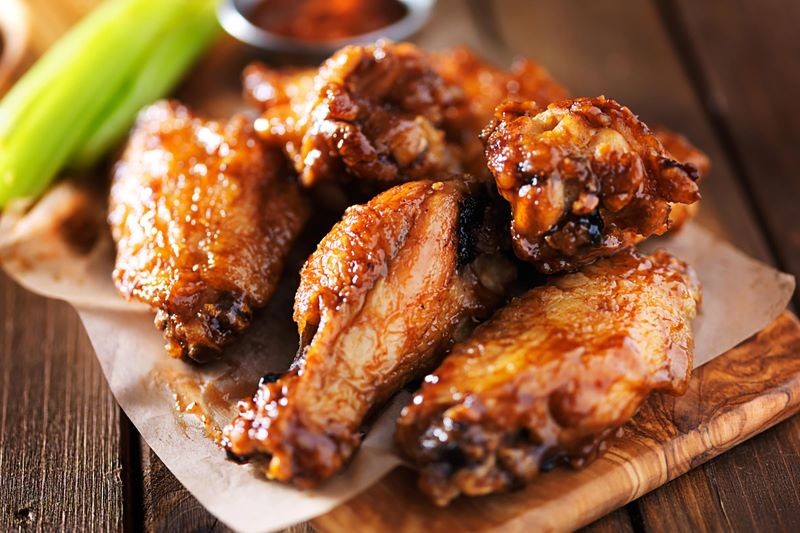
Chicken is widely considered one of the healthiest and most accessible sources of protein. It is lean, versatile, and rich in essential nutrients such as protein, B vitamins, and minerals. However, despite its many benefits, chicken is not ideal for everyone in unlimited amounts.
Certain individuals may need to moderate their chicken consumption due to specific health conditions or dietary needs. Understanding these groups can help you make smarter and more personalized nutrition choices.
Chicken contains purines—natural compounds that break down into uric acid in the body. For individuals with gout or elevated uric acid levels, consuming too much chicken can trigger flare-ups.
When uric acid accumulates, it forms crystals in the joints, leading to pain, swelling, and inflammation. Although chicken has lower purine levels compared to red meat, excessive intake can still worsen symptoms.
For those with gout, it’s best to:

People with kidney problems need to carefully manage their protein intake. While protein is essential, excessive amounts can put additional strain on the kidneys, especially when they are already compromised.
Chicken, being a high-protein food, may need to be limited in such cases. Overconsumption can lead to:
A healthcare provider or dietitian usually recommends a controlled protein diet tailored to the individual’s condition.
Although chicken is often considered a healthier alternative to red meat, not all chicken is equally beneficial. The skin and certain cooking methods—such as frying—can significantly increase fat and cholesterol content.
For individuals with cardiovascular concerns:
Eating large amounts of fatty chicken regularly can contribute to elevated cholesterol levels and increase the risk of heart disease.
Some individuals may experience difficulty digesting protein-rich foods, including chicken. This can lead to symptoms such as bloating, discomfort, or indigestion.
In certain cases, overly processed or heavily seasoned chicken dishes may further irritate the digestive system.
If you notice discomfort after eating chicken:
Listening to your body is essential when it comes to digestive health.
Modern poultry farming practices sometimes raise concerns about the use of antibiotics, hormones, and feed quality. While regulations exist in many countries, some people prefer to limit chicken consumption due to these concerns.
Frequent intake of low-quality or highly processed chicken products may:
Choosing organic, free-range, or responsibly sourced chicken can help minimize these risks. However, moderation remains important.
Chicken is not inherently harmful—in fact, it can be a valuable part of a healthy diet. The key issue is not the food itself, but how much and how often it is consumed, as well as how it is prepared.
A balanced diet includes a variety of protein sources such as:
Rotating these options helps ensure a broader range of nutrients while reducing the risk of overconsumption of any single food.

While chicken is a nutritious and popular choice, it is not a one-size-fits-all solution. People with gout, kidney disease, heart concerns, digestive sensitivities, or food quality awareness may need to limit their intake.
Ultimately, healthy eating is about moderation, variety, and listening to your body’s needs. By making informed choices, you can enjoy the benefits of chicken while minimizing potential risks and maintain a diet that truly supports your long-term well-being.
Doctor Reveals Why Women Prefer Much Hotter Showers Than Men

The best times to eat sweet potatoes: 5 tips for maximum health benefits

6 meats you should limit or watch out for because of possible health issues
According to medical experts, “3 yellows and 1 red” may indicate liver strain or potential dam.age
A widely consumed drink that might reduce bone strength if taken regularly
You Won’t Believe What Happens When You Eat Peanuts Every Day

6 things you do daily that can negatively impact your immune system
How Simple Water Fasts Can Transform Your Health, From Immunity to Heart Wellness

10 potential symptoms of early-stage kidney can.cer that need evaluation
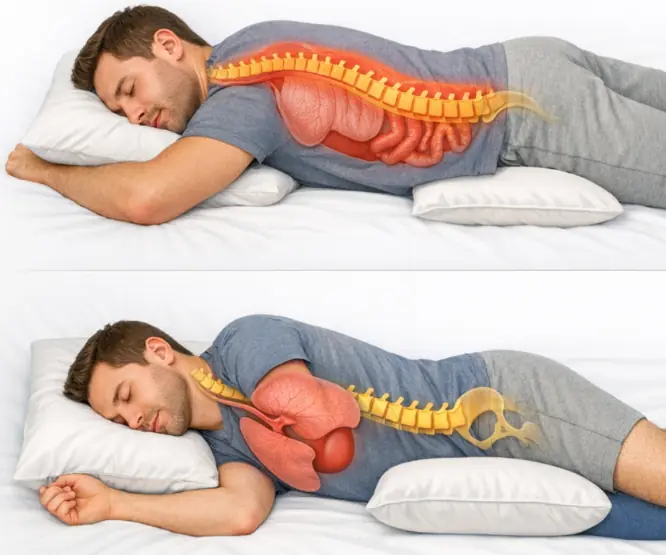
How you position your body during sleep can influence your health

What happens to your body when you start each day with ginger and red date tea?

What Eating Cottage Cheese Every Day Could Do to Your Health…
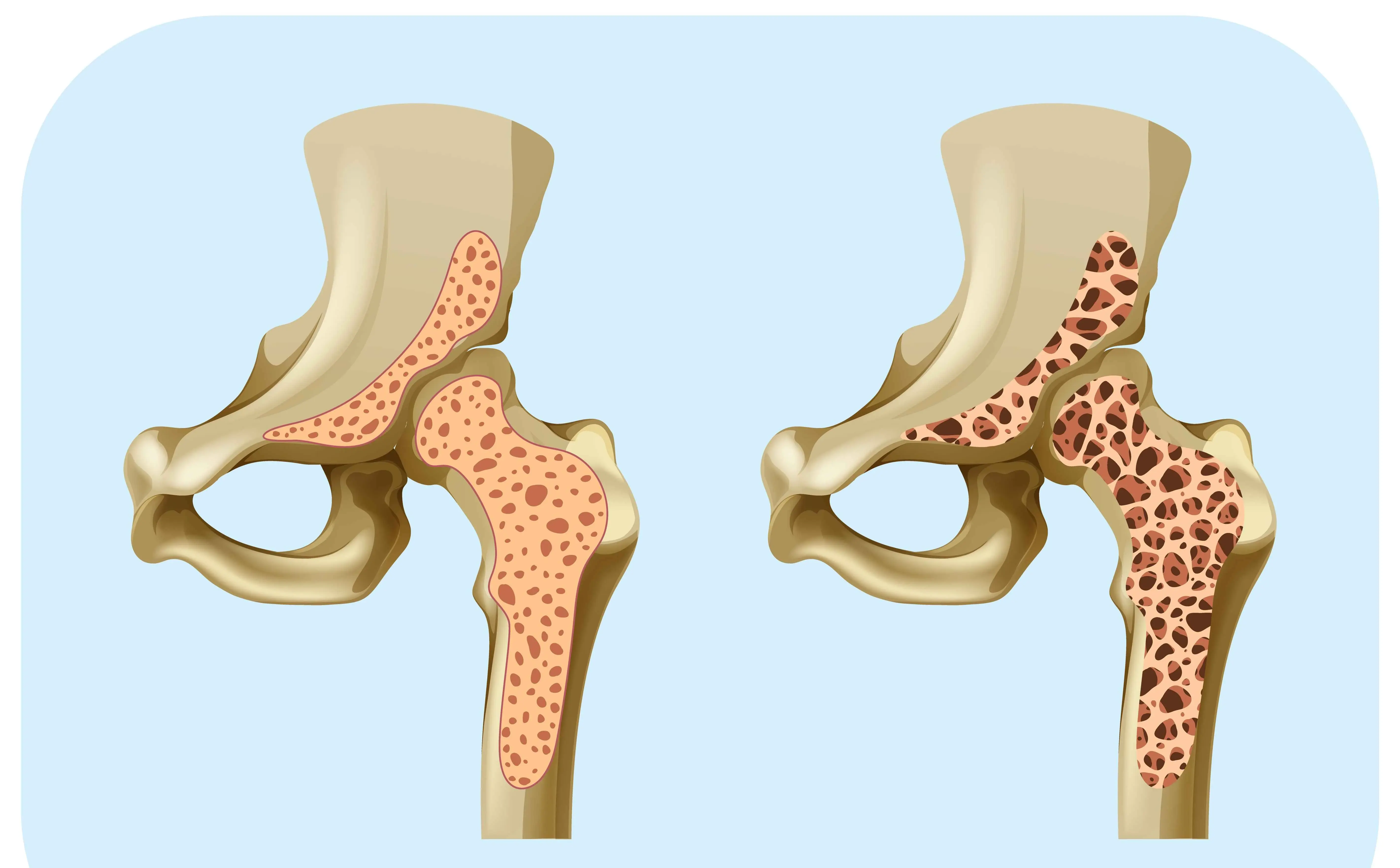
Drinking More, Losing Strength: 3 Hidden Threats That Drain Calcium from Your Bones
The natural rhythm of sleeping all night and at the same time helping to burn fat

What happens when you drink cucumber water daily?

What happened in the bathroom shocked everyone
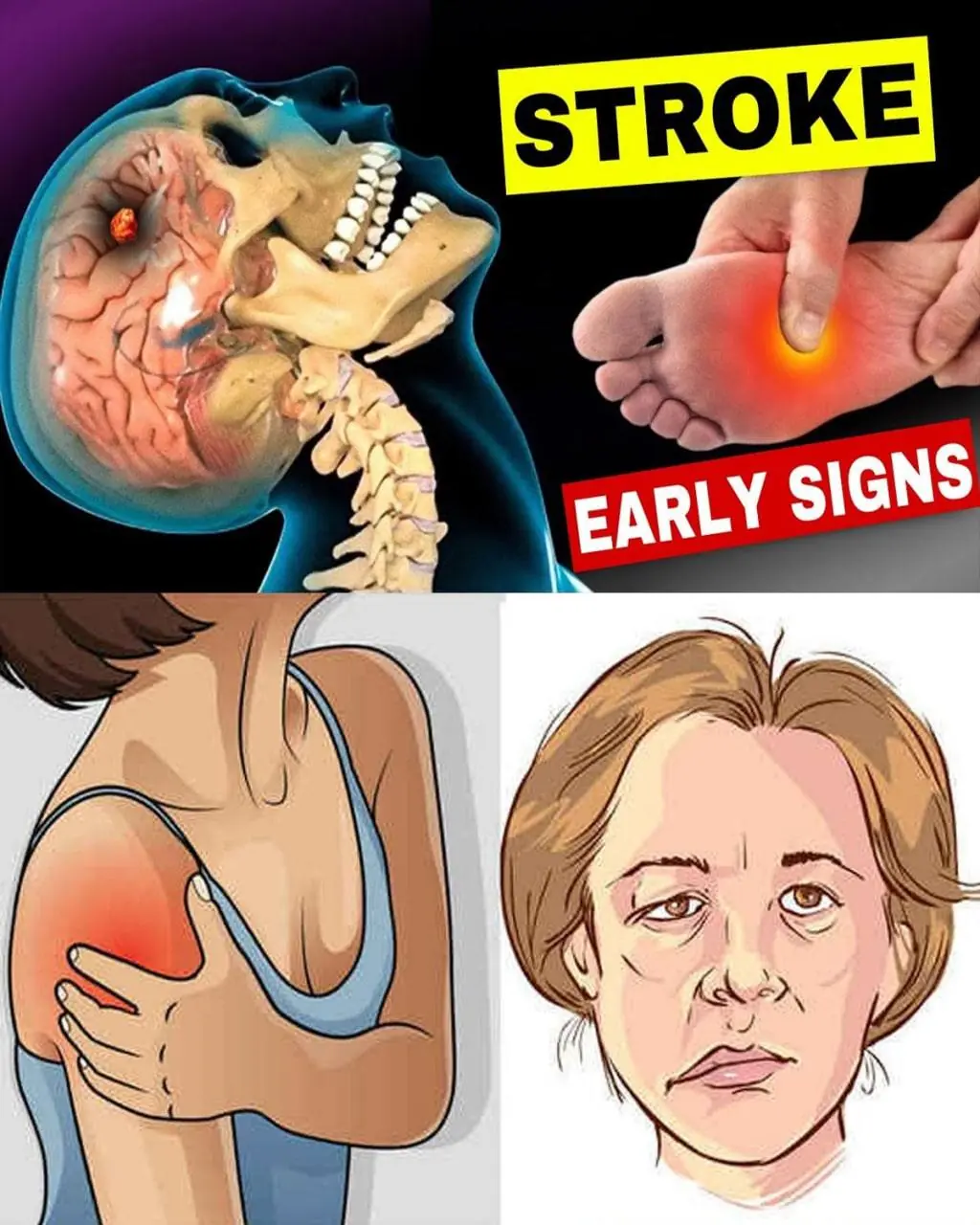
A stroke doesn’t always come suddenly—watch for these 8 warning signs

This common condition affects millions of women—but many don’t know
Doctor Reveals Why Women Prefer Much Hotter Showers Than Men
The best times to eat sweet potatoes: 5 tips for maximum health benefits
6 meats you should limit or watch out for because of possible health issues
According to medical experts, “3 yellows and 1 red” may indicate liver strain or potential dam.age

Dog’s Selfless Act of Sharing Food with Stray Cat Leaves Owner Speechless
A widely consumed drink that might reduce bone strength if taken regularly
You Won’t Believe What Happens When You Eat Peanuts Every Day
6 things you do daily that can negatively impact your immune system
How Simple Water Fasts Can Transform Your Health, From Immunity to Heart Wellness
10 potential symptoms of early-stage kidney can.cer that need evaluation
How you position your body during sleep can influence your health

My Neighbor Dropped Off a Bag of These… What Are They Supposed to Be?
What happens to your body when you start each day with ginger and red date tea?

Dog Protests Walk Until the “Right” Human Joins
What Eating Cottage Cheese Every Day Could Do to Your Health…

Doctors Reveal That This Simple Habit Might Be Quietly Causing…
Drinking More, Losing Strength: 3 Hidden Threats That Drain Calcium from Your Bones
The natural rhythm of sleeping all night and at the same time helping to burn fat