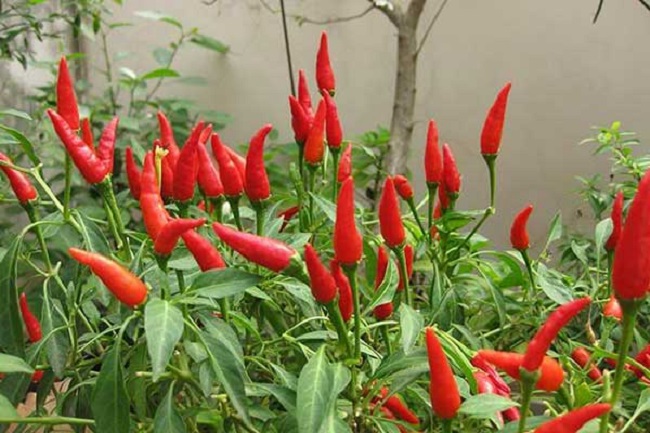
Growing chili peppers in containers is one of the most rewarding ways to cultivate fresh, flavorful produce—even if you have limited space. Whether you live in an apartment or simply prefer a controlled gardening setup, container gardening allows you to manage soil quality, sunlight, and watering more effectively. With the right techniques, you can enjoy a thriving chili plant that produces an impressive number of fruits.
Why Grow Chili Peppers in Containers?
Container gardening offers flexibility and control that traditional gardening may not provide. Chili peppers adapt well to pots, making them ideal for balconies, patios, or small gardens.
Key advantages include:
- Better control over soil and nutrients
- Easier pest management
- Mobility to adjust sunlight exposure
- Reduced risk of soil-borne diseases
With proper care, container-grown chili plants can be just as productive—if not more—than those grown in the ground.
1. Choose the Right Container
The foundation of successful chili cultivation starts with selecting the appropriate container.
- Size matters: Use pots that are at least 20–30 cm (8–12 inches) deep to allow proper root development
- Drainage is essential: Ensure the container has holes at the bottom to prevent waterlogging
- Material choice: Plastic retains moisture better, while clay pots allow better airflow
A well-sized container provides enough space for roots to expand, which directly impacts fruit production.
2. Use High-Quality Soil Mix
Chili peppers require well-draining, nutrient-rich soil. Avoid using regular garden soil, as it can compact easily and limit root growth.
A good soil mix should:
- Contain organic matter such as compost
- Be light and airy to promote drainage
- Have a slightly acidic to neutral pH (around 6.0–7.0)
You can mix potting soil with compost and a small amount of perlite or sand to improve aeration.
3. Provide Plenty of Sunlight
Chili peppers thrive in warm, sunny conditions. They need at least 6–8 hours of direct sunlight daily to grow well and produce abundant fruit.
Tips for maximizing sunlight:
- Place pots on balconies, windowsills, or outdoor areas with full sun
- Rotate pots occasionally to ensure even growth
- Move containers if sunlight conditions change
Insufficient light can lead to weak plants and reduced fruit production.

4. Water Consistently but Carefully
Proper watering is crucial for chili plants. Both overwatering and underwatering can harm the plant and reduce yields.
Best practices:
- Keep the soil consistently moist but not soggy
- Water when the top layer of soil feels dry
- Avoid letting water accumulate at the bottom of the pot
During hot weather, you may need to water more frequently, but always check soil moisture first.
5. Feed Your Plants Regularly
Chili peppers are heavy feeders, meaning they require regular nutrients to produce fruit.
- Use a balanced fertilizer during early growth stages
- Switch to a fertilizer higher in potassium and phosphorus when flowering begins
- Apply organic options like compost tea or liquid fertilizer every 1–2 weeks
Proper feeding encourages strong flowering and fruit development.
6. Support Pollination and Flowering
In container environments, natural pollinators may be limited. Helping with pollination can increase fruit yield.
You can:
- Gently shake the plant to distribute pollen
- Use a small brush to transfer pollen between flowers
This simple step can significantly improve fruit set.
7. Prune and Maintain the Plant
Pruning helps direct the plant’s energy toward fruit production rather than excessive leaf growth.
- Remove weak or overcrowded branches
- Trim dead or yellowing leaves
- Pinch early flowers on young plants to encourage stronger growth later
Healthy, well-maintained plants are more productive and easier to manage.
8. Watch for Pests and Diseases
Even in containers, chili plants can be affected by pests such as aphids or spider mites.
To protect your plants:
- Inspect leaves regularly
- Use natural remedies like neem oil or soapy water
- Keep the growing area clean and well-ventilated
Early detection prevents minor issues from becoming serious problems.
9. Harvest at the Right Time
Harvesting regularly encourages the plant to produce more fruit.
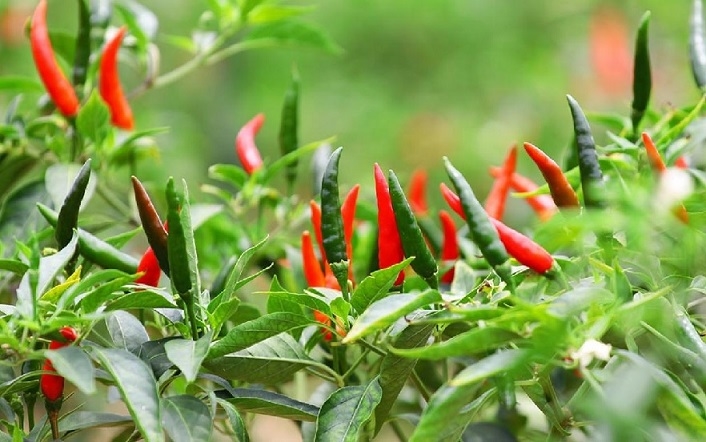
- Pick chilies when they reach full size and color
- Use scissors or gently twist to avoid damaging the plant
- Frequent harvesting stimulates continuous production
The more you harvest, the more your plant will produce.
Conclusion
Growing chili peppers in containers is a practical and rewarding way to enjoy fresh produce at home. By choosing the right container, providing proper sunlight, maintaining consistent watering, and feeding your plants well, you can achieve abundant harvests even in small spaces.
With a little care and attention, your chili plants will thrive - offering not only a steady supply of spicy fruits but also the satisfaction of growing your own food.