
Start your day with water, but here’s one tip that makes it even better!
Drinking water in the morning is beneficial—here’s what most people overlook!
Food 31/03/2026 09:49
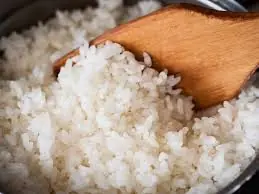
While many diligently steer clear of raw chicken and unrefrigerated mayonnaise to stave off food poisoning, there may be the unexpected culprit lurking in one’s kitchen — leftover rice.


Often referred to as “reheated rice syndrome,” this condition stems from food poisoning caused by Bacillus cereus, a bacterium that poses a risk when cooked food is left at room temperature for extended periods. If ingested the bacteria can cause bouts of vomiting and diarrhea, and in the rare instance, death, experts warn.
“This is a heat-tolerant bacterium, it will grow at higher temperatures,” Jason Tetro, a microbiologist based in Edmonton and specialist in emerging pathogens, told Global News.
This means that even if you cook your rice, the bacteria can still survive.
“The reason that it is a concern is because certain types of Bacillus cereus can create a toxin. There are two types of toxins, one makes it come out the other way (diarrhea). The second makes it come out through the mouth, both of which are very unhappy and make you feel very unwell,” he said. “And in approximately a handful of cases all over the world, over the last 35 to 40 years, we’ve seen a few deaths.“
 1:16
There could be an increase in food-borne illnesses due to climate change: report
1:16
There could be an increase in food-borne illnesses due to climate change: report
Bacillus cereus is found in all environments. While rice often takes the blame, pasta, cooked vegetables and meats are also susceptible to contamination.
While this food-borne illness isn’t a new phenomenon, it’s recently been making waves on social media after a decades-old news story resurfaced on TikTok. Microbiologists are sounding the alarm, using platforms like TikTok to remind people about the importance of cooking and storing foods like rice and pasta properly.
Originally published in 2011 in the Journal of Clinical Microbiology, the case report said in 2008 a 20-year-old from Belgium became sick and died after eating a meal of leftovers of spaghetti with tomato sauce, which had been prepared five days before and left in the kitchen at room temperature.
Autopsy findings revealed the presence of the bacteria B. cereus in the leftovers, indicating it as the likely cause of death for the otherwise healthy individual, the report said.
Uncooked rice can contain spores of Bacillus cereus, which can persist even after cooking.
“It grows from about 5 C to about 60 C,” Tetro said. “But the problem with this bacterium is that it creates spores, and these spores are heat tolerant, which means that even if you happen to cook your rice, if the spores are there, then they will allow for the germination or the growth of the bacterium when it gets back to that normal temperature.”
This means once the rice comes back to room temperature, it creates ideal conditions for the rice to multiply and produce toxins.
 5:08
How every person in the kitchen is able to prevent potentially deadly food borne illness.
5:08
How every person in the kitchen is able to prevent potentially deadly food borne illness.
And it does not take long for the spores to multiply. According to a 2023 study published in Foods, a colony of B. cereus can experience “rapid growth” after six hours of sitting at temperatures ranging from 25 C to 30 C.
The study noted that rice and rice-based dishes are often implicated in B. cereus-mediated food poisoning incidents because of their starchy nature and vulnerability to mishandling during storage and reheating.
“This is because the nutrients, the near-neutral pH and the increased water activity of cooked rice can support B. cereus growth and toxin production,” the study said.
While food poisoning incidents linked to leftover rice are prevalent globally, Tetro noted that this concern is not common in Canada.
“We in Canada have an incredible food safety system, so I’ve never even heard of this happening in Canada,” he said.
The risk of contracting food poisoning from rice depends on how it’s prepared, he said.
“If your rice is clean and you don’t even need to wash it, you just throw it in the pot, and away you go. There’s very little likelihood that there’s going to be a concern,” Tetro said.
However, if you rinse your rice in a sieve, and dirt and insect parts are washing away, there’s a higher chance Bacillus cereus may be present, he warned.
“The one thing you want to do is look at your rice before you cook it. And if it does look like it’s fairly clean and there’s no real issue there, then it’s probably a low risk,” he said.
Health Canada warned that bacteria can thrive in the temperature danger zone, ranging from 4 C to 60 C. To prevent bacterial growth, it’s crucial to keep cold foods chilled at or below 4 C and hot foods maintained at or above 60 C.
Tetro recommends a straightforward guideline for cooking rice: refrigerate it within roughly two hours of cooking.
“After about two hours, it should come down to below 60 C. When you can touch it without having to use mitts, then that’s probably a good time for you to be able to put that into the fridge,” he said.
When it comes to this food-borne illness, it may take a few days for bacteria to develop. However, refrigerating the rice at 4 C should prevent bacterial growth.
He recommended keeping it in the fridge for three to four days, but, “after that, I would recommend starting a new batch and making something fresh.”
Drinking water in the morning is beneficial—here’s what most people overlook!
You Won’t Believe What Eating Red Cabbage Does to Your Body…
Try eating pineapple every day — here’s what you might notice
Eating Walnuts Can Do This to Your Body…See How

What Raw Cabbage Could Be Doing to Your Body
Eat Onions Every Day: Here’s What Happens to Your Body

10 Things Nobody Tells You About Eating Okra
My Neighbor Dropped Off a Bag of These… What Are They Supposed to Be?

Doctors Reveal That This Simple Habit Might Be Quietly Causing…
This Is What Happens When You Eat Chili Peppers Every Day
Doctors Reveal the Unexpected Effects of Eating Bananas Right Before Bed
Steamed Ginger: A Natural Remedy With Surprisingly Strong Benefits

You won’t believe what eating corn every day can do to your health…

Chocolate Lovers Rejoice: You’ve Been Doing It Wrong This Whole Time

What does cassava actually do to your body? Doctors explain — see more
7 Emerging Health Benefits of Pineapple Juice Backed by Research That You Absolutely Should Know About

Few know about this root, yet it’s dubbed “the common man’s ginseng” for its astonishing health-boosting powers
Health experts explain the effects of walnuts on your body
Transform your liver health with these 4 easy-to-find, cost-friendly foods

Exploring the Health Benefits of Wild Violets

Too much of this food may negatively affect your thyroid, experts say
Drinking water in the morning is beneficial—here’s what most people overlook!

From Trash to Treasure: The Incredible Journey of a Happy Dog
Discover 8 amazing health benefits that turn corn into a must-have superfood
Love Avocados? Here’s How to Eat Them the Right Way

One Natural Trick for Pain Relief People Wish They Knew Earlier

6 Silent Night Signs Your Body Sends Before a Stroke — Don’t Ignore #2

Stop nighttime leg cramps with these simple tips

It’s not random—your body is telling you something

The hidden dan.ger of naso.phary.ngeal can.cer: key signs, risk factors, and how to stay protected
Beat the heat fast with two frozen bottles—no AC needed!

Eating over 7 eggs weekly - here’s what it could actually do to your body

Nighttime itching may seem harmless—but it can signal serious disease.

This area shows aging faster than your face

Hidden fridge danger: habits that may harm your liver.
One potato, multiple pain relief uses

Black toenails may seem harmless—but they can signal hidden health issues.