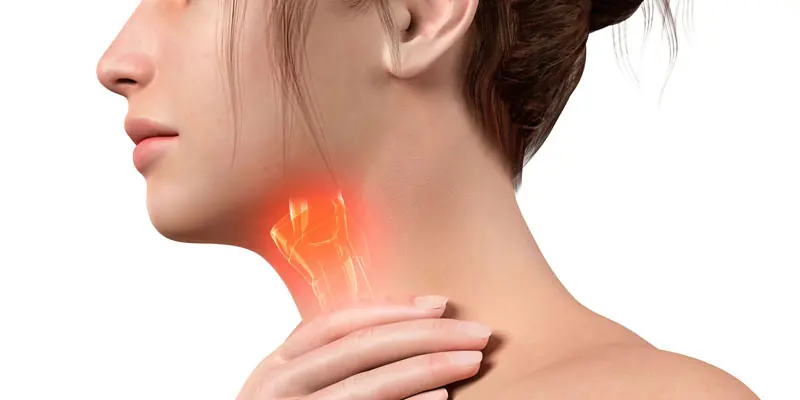
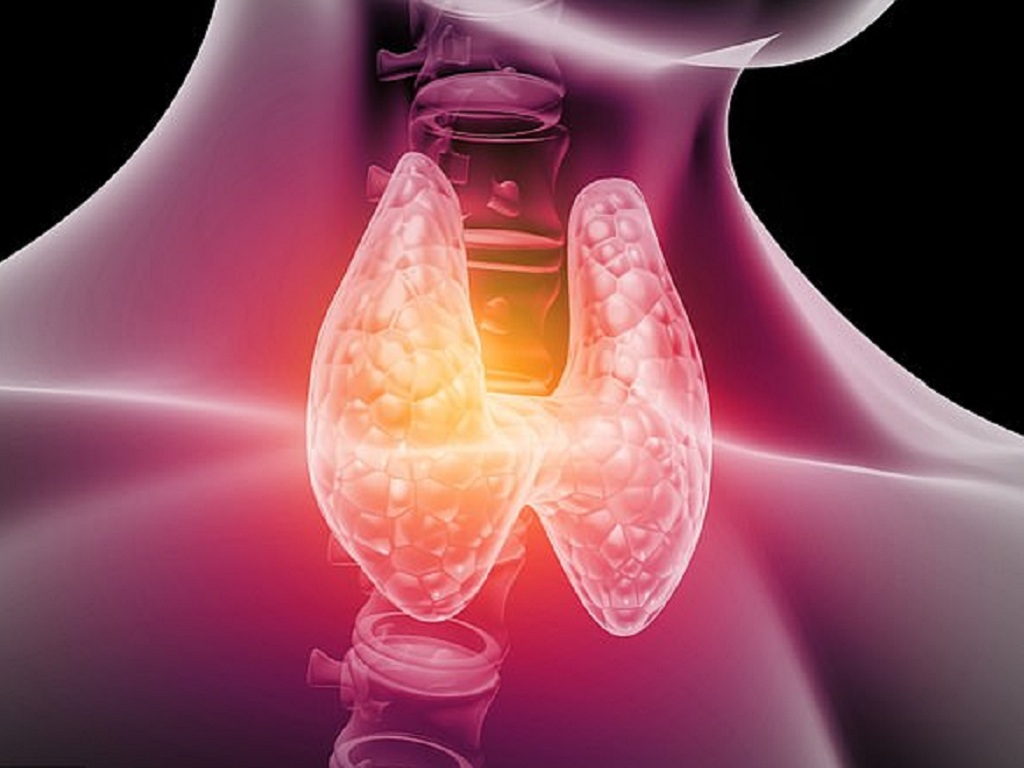
The thyroid is a small, butterfly-shaped gland located in the neck, yet it plays a crucial role in regulating many of the body’s essential functions. It controls metabolism, energy production, body temperature, and even mood. Because of its importance, maintaining proper thyroid function is vital for overall health.
In recent years, specialists have drawn attention to certain foods that, when consumed in excess, may interfere with how the thyroid works. While these foods are not necessarily harmful in normal amounts, overconsumption can disrupt thyroid hormone production or iodine balance, especially in individuals with existing thyroid conditions.

Understanding Thyroid Function
The thyroid gland produces hormones—primarily T3 (triiodothyronine) and T4 (thyroxine)—that regulate how the body uses energy. To produce these hormones, the thyroid relies heavily on iodine, a mineral obtained through diet.
When thyroid function is disrupted, it can lead to conditions such as:
- Hypothyroidism (underactive thyroid)
- Hyperthyroidism (overactive thyroid)
- Thyroid nodules or enlargement (goiter)
Diet plays a significant role in supporting or hindering this delicate balance.
Foods That May Affect Thyroid Function
Certain foods contain substances known as goitrogens, which can interfere with the thyroid’s ability to absorb iodine or produce hormones—especially when consumed in large quantities.
1. Cruciferous Vegetables
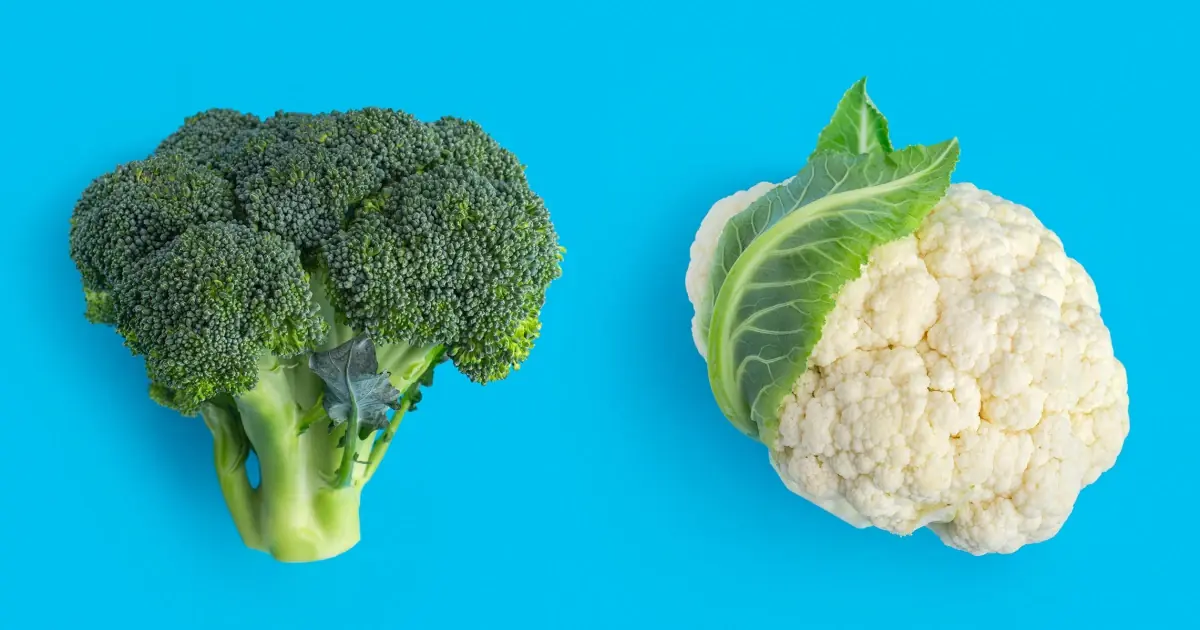
Foods such as broccoli, cabbage, cauliflower, kale, and Brussels sprouts are rich in nutrients but also contain compounds that may affect iodine uptake.
This does not mean these vegetables should be avoided. In fact, they are highly beneficial when eaten in moderation. Cooking them can also reduce their goitrogenic effects.
2. Soy-Based Products
Soy products, including tofu, soy milk, and soybeans, may interfere with thyroid hormone absorption and function, particularly in individuals with iodine deficiency.
People taking thyroid medication are often advised to monitor their soy intake and space it appropriately from medication timing.
3. Highly Processed Foods
Processed foods often contain additives and excessive sodium, which may disrupt the body’s iodine balance. Additionally, they may contribute to inflammation, indirectly affecting thyroid health.
4. Excessive Iodine Intake
While iodine is essential for thyroid function, too much of it can be just as harmful as too little. Overconsumption of iodine-rich foods or supplements can lead to thyroid dysfunction.
5. Certain Root Vegetables (in Large Quantities)
Foods like cassava, when not properly prepared, can contain compounds that may affect thyroid function. However, this is more relevant in regions where such foods are consumed as a staple in large amounts.
Why Moderation Is Key
It is important to emphasize that most of these foods are not harmful when consumed in normal, balanced amounts. In fact, many of them provide essential nutrients and health benefits.
Problems typically arise when:
- The diet lacks balance
- Certain foods are consumed excessively
- There is an existing thyroid condition or iodine deficiency
Moderation ensures that the body receives the benefits of these foods without overwhelming the thyroid.
Signs of Thyroid Imbalance
When the thyroid is not functioning properly, the body may show various symptoms, including:
- Fatigue or low energy
- Unexplained weight gain or loss
- Sensitivity to cold or heat
- Hair thinning
- Changes in heart rate
- Difficulty concentrating
If these symptoms persist, it is important to seek medical evaluation.
Supporting Healthy Thyroid Function
Maintaining thyroid health involves a combination of proper nutrition and lifestyle habits:
- Eat a balanced diet with adequate iodine intake
- Include selenium- and zinc-rich foods (such as nuts and whole grains)
- Limit excessive consumption of goitrogenic foods
- Stay physically active
- Manage stress levels
- Follow medical advice if diagnosed with a thyroid condition
For individuals taking thyroid medication, consistency in diet and timing is especially important.
When to Be More Careful
Certain groups should pay closer attention to their diet:
- Individuals with diagnosed thyroid disorders
- People with iodine deficiency
- Pregnant women, who have increased iodine needs
- Those taking thyroid hormone replacement therapy
Consulting a healthcare professional can help tailor dietary choices to individual needs.

Conclusion
The thyroid plays a vital role in maintaining the body’s balance, and diet is a key factor in supporting its function. While many foods offer significant health benefits, specialists advise being mindful of excessive consumption, as it may interfere with thyroid health.
Rather than eliminating specific foods, the focus should be on balance, moderation, and awareness. By making informed dietary choices and maintaining a healthy lifestyle, individuals can support optimal thyroid function and overall well-being.