
Did You Know? If Hair Grows on Your Ears, It May Be Linked to Changes in Your Body
Hair growing on the ears is something many people notice as they get older—and it often raises concern. Some believe it carries hidden meanings about health. But what does it really indicate?
According to health information, ear hair is actually a natural part of the body and, in most cases, not a cause for concern. However, it can reflect certain biological changes happening over time.
Why Hair Grows on the Ears
Ear hair growth is mainly influenced by:
- Hormones (especially testosterone)
- Genetics
- Aging
As people get older, hormone levels shift, causing hair follicles to become more active in areas like the ears and nose. This is why ear hair is more common in older men.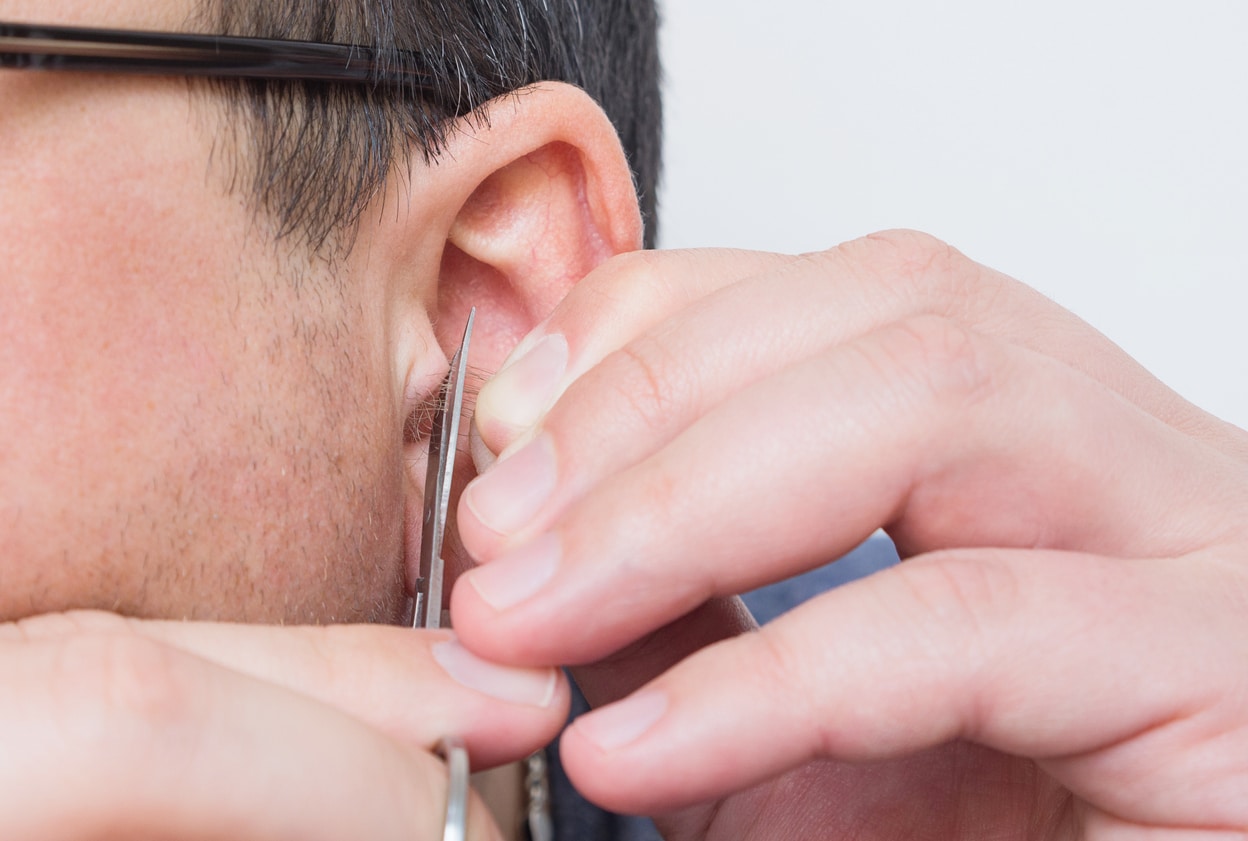
A Natural Protective Function
Ear hair is not useless—it actually plays an important role.
It helps:
- Block dust and debris
- Prevent bacteria from entering the ear canal
- Work together with earwax to protect the inner ear
In this sense, ear hair acts as a natural defense system for your ears.
Is It a Sign of Health Problems?
In most cases, ear hair is harmless and simply related to aging.
However, some sources suggest that:
- Excessive ear hair may be linked to hormonal changes
- In rare cases, it has been discussed alongside certain health conditions
Still, experts emphasize that ear hair alone is not a reliable indicator of disease and should not be used for self-diagnosis.
Why It Becomes More Noticeable Over Time
As the body ages:
- Hair grows thicker and longer
- Growth cycles change
- Hormones affect hair distribution
This explains why ear hair often appears suddenly or becomes more visible later in life.

Should You Remove Ear Hair?
Removing ear hair is usually a matter of personal preference.
Options include:
- Trimming
- Tweezing
- Professional grooming
However, since ear hair has a protective role, it should be removed carefully to avoid irritation or infection.
Conclusion
Hair growing on your ears may seem unusual, but it is a normal biological change influenced by age and hormones. While it does not necessarily signal a health problem, it reflects how your body evolves over time.
Understanding these small changes can help you better recognize what is normal—and what might require attention.