Pancreatic cancer is one of the most challenging cancers to detect early. Often referred to as a “silent disease,” it may not cause noticeable symptoms in its initial stages. By the time clear signs appear, the disease may have already progressed. This is why awareness of early warning signs is so important—recognizing subtle changes in your body could make a life-saving difference.
Why Early Detection Matters
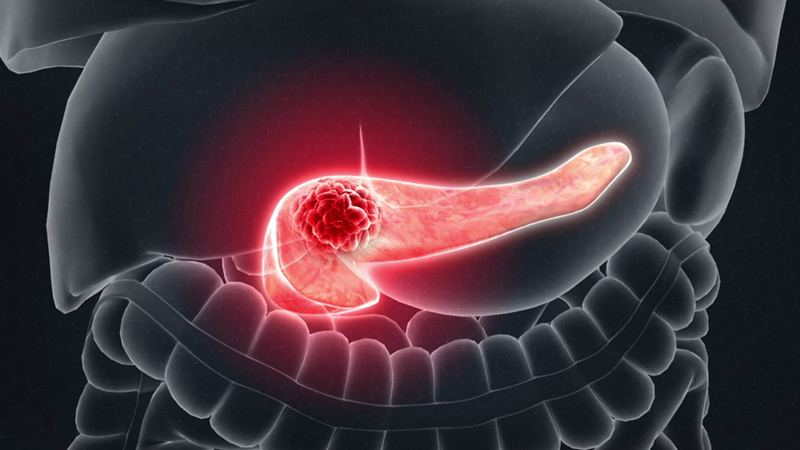
The pancreas plays a vital role in digestion and blood sugar regulation. Because it is located deep within the abdomen, tumors can grow without being easily detected during routine exams.
Early diagnosis can:
- Improve treatment options
- Increase survival rates
- Reduce complications
Understanding the symptoms—especially those that persist—is key.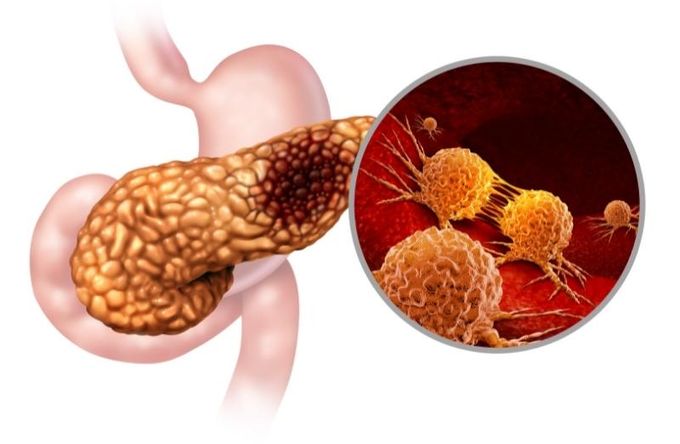
1. Persistent Upper Abdominal or Back Pain
One of the most common early symptoms is pain in the upper abdomen that may radiate to the back.
What to notice:
- Dull, constant discomfort
- Pain that worsens after eating or lying down
- Relief when leaning forward
This pain can result from a tumor pressing on nearby nerves or organs.
2. Unexplained Weight Loss
Sudden and unintentional weight loss is a red flag that should never be ignored.
Why it happens:
- The body may not properly digest nutrients
- Appetite may decrease
- Cancer-related metabolic changes
Weight loss without changes in diet or activity is especially concerning.
3. Jaundice (Yellowing of Skin and Eyes)
Jaundice is often one of the more visible signs.
Symptoms include:
- Yellowing of the skin and whites of the eyes
- Dark urine
- Pale or greasy stools
- Itchy skin
This occurs when a tumor blocks the bile duct, causing bile to build up in the body.

4. Changes in Digestive Habits
Pancreatic cancer can interfere with digestion.
Possible signs:
- Nausea and vomiting
- Loss of appetite
- Indigestion or bloating
- Difficulty digesting fatty foods
You may also notice stools that are oily, float, or have a strong odor.
5. New-Onset Diabetes or Blood Sugar Changes
The pancreas is responsible for producing insulin. When its function is disrupted, blood sugar levels may change.
Watch for:
- Sudden diagnosis of diabetes (especially without typical risk factors)
- Difficulty controlling blood sugar
In some cases, diabetes may appear before other symptoms.
6. Fatigue and Weakness
Persistent tiredness is a common but often overlooked symptom.
What it feels like:
- Ongoing exhaustion
- Lack of energy even after rest
- Reduced ability to perform daily activities
Fatigue may result from the body’s response to illness or poor nutrient absorption.
7. Blood Clots
Pancreatic cancer can increase the risk of abnormal blood clotting.
Possible signs:
- Swelling, redness, or pain in the limbs
- Shortness of breath if clots travel to the lungs
Unexplained blood clots should always be evaluated by a doctor.
8. Loss of Appetite or Feeling Full Quickly
Changes in appetite are another subtle sign.
You may notice:
- Feeling full after eating small amounts
- Reduced interest in food
- Gradual decrease in food intake
This can contribute to weight loss and nutritional deficiencies.
When Should You See a Doctor?
Because these symptoms can overlap with less serious conditions, they are often ignored. However, you should seek medical advice if:
- Symptoms persist for more than a few weeks
- Multiple symptoms occur together
- Changes are unusual for your body
Early evaluation may include imaging tests, blood tests, and further diagnostic procedures.
Who Is at Higher Risk?
Certain factors may increase the risk of pancreatic cancer:
- Smoking
- Chronic pancreatitis
- Family history of pancreatic cancer
- Obesity
- Long-standing diabetes
Being aware of your risk level can help you stay vigilant.
The Bottom Line
Pancreatic cancer is difficult to detect early, but your body often provides warning signs—if you know what to look for. Persistent abdominal pain, jaundice, unexplained weight loss, and changes in digestion or blood sugar should not be ignored.
Early detection can significantly improve outcomes, making awareness one of the most powerful tools in protecting your health. If something feels unusual or persistent, seeking medical advice promptly is always the safest choice.