
American Sweetgum: A Forgotten Tree with Renewed Healing Value
Rediscovering the American sweetgum and its healing properties
These signs, sometimes subtle and easily overlooked, serve as “red flags” that something is wrong. Understanding them gives people the chance to seek medical help before the situation becomes life-threatening.
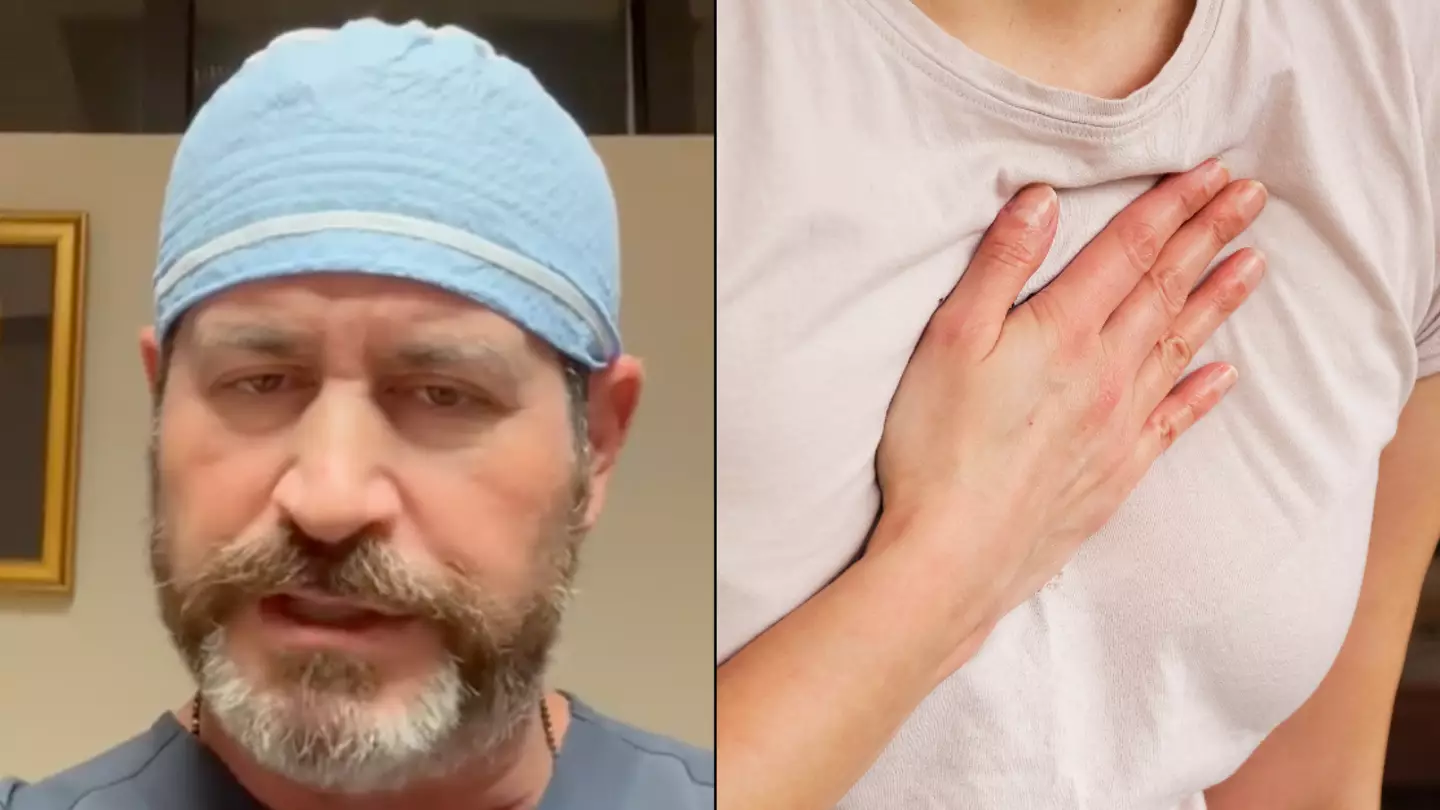
One of the most common red flags is persistent chest discomfort. This may not always feel like intense pain; instead, many people experience pressure, tightness, or a heavy sensation in the chest. It might come and go, lasting for a few minutes at a time. Even mild chest discomfort should not be ignored, as it can indicate reduced blood flow to the heart.
A second important warning sign is unusual shortness of breath. When the heart struggles to pump efficiently, the body receives less oxygen, making simple activities—such as walking, climbing stairs, or even resting—feel more exhausting than usual. This symptom can appear weeks or even months before a heart attack, signaling that the heart is working harder than it should.
The third red flag is unexplained fatigue. Many people who later experience a heart attack recall feeling extremely tired for no clear reason. This type of fatigue is different from ordinary tiredness; it feels overwhelming and persistent. The heart may be slowly weakening, causing the body to divert energy to keep vital organs functioning. As a result, people may feel drained even after minimal effort.
Another potential warning sign is discomfort in areas beyond the chest, such as the arms, neck, jaw, back, or stomach. This fourth red flag happens because nerves around the heart share pathways with other parts of the body. Pain may radiate down the left arm, spread to the back, or feel like intense pressure in the jaw. These unusual sensations can be easy to misinterpret, but they should never be dismissed.
The fifth red flag doctors highlight is dizziness or light-headedness. When blood flow to the brain becomes compromised, individuals may feel faint, unsteady, or experience sudden dizziness. This can occur alongside chest discomfort or on its own. If these feelings are new or unusually strong, they may indicate that the heart is under severe strain.
A sixth warning sign is cold sweats. Unlike sweating caused by heat or exercise, cold sweats appear suddenly and are often accompanied by anxiety or a sense of dread. This happens when the body goes into “fight or flight” mode due to reduced blood flow and rising internal stress. Many heart attack survivors describe this symptom as one of the most alarming signals they experienced beforehand.
Finally, the seventh red flag is swelling in the legs, ankles, or feet. This occurs when the heart cannot pump blood effectively, causing fluid to accumulate in the lower parts of the body. Swelling may feel tight, appear puffy, or worsen in the evening. Although swelling has many possible causes, when combined with other symptoms, it may indicate a developing heart problem.
These seven red flags serve as reminders that the body often communicates distress long before a crisis happens. While not every symptom automatically means a heart attack is imminent, noticing changes and seeking medical attention early can significantly reduce risks. Heart health depends on awareness, timely action, and regular check-ups. By paying attention to these warning signs, individuals of any age can take important steps toward protecting their well-being and preventing potentially life-threatening events.

Rediscovering the American sweetgum and its healing properties

Hearts of Palm: What Happens to Your Body If You Eat Them Often

7 critical times when the risk of brain hemorrhage is higher

Ovarian cancer has been dubbed ‘The Silent Killer’. Similar to many other cancers, it doesn’t show any symptoms for a long time.

Signs in the stool may be pancreatic cancer: The reason pancreatic cancer causes this phenomenon is that according to the British cancer research organization - Cancer Research UK - said that stool that is difficult to pass can be a sign of fatty stool.

Older people may experience issues with blood circulation more often than the younger population. So, even though wearing socks at home may feel like something unimportant for them, this habit actually comes with a number of benefits.

The X-ray that uncovered a young woman’s chronic constipation

This Odd Throat Sensation Ends With a Lump — Could It Be Serious?

This woman (38 years old) was hospitalized with continuous weight loss and bloody stools. After the doctor performed an endoscopy, Ms. H. was shocked to receive the results of acute gastric ulcer, caused by H.P. infection.

Your body needs water: 10 signs you could be dehydrated

Are you searching for a natural remedy to support your health and reduce reliance on medications? Struggling with knee pain, swollen feet, high blood pressure, cholesterol, poor circulation, or anemia can be exhausting.

10 warning signs of gluten sensitivity you shouldn’t ignore

Many individuals unknowingly set their refrigerator’s temperature incorrectly, which can cause vegetables to lose freshness and wilt prematurely.

10 foods that could contribute to reducing the risk of can.cer

7 Quiet Symptoms That Signal Heart Trouble — Pay Attention

Pancreatic can.cer: the key symptoms and signs you shouldn’t ignore

Cooler Nights, Better Sleep: 6 Surprising Benefits (And the Fan Myth Explained)

Pumpkin seeds side effects: what happens if you eat too many?

Silent strokes often go unnoticed, but these small daily habits could protect your brain.

Rediscovering the American sweetgum and its healing properties

Hearts of Palm: What Happens to Your Body If You Eat Them Often

7 critical times when the risk of brain hemorrhage is higher

Ovarian cancer has been dubbed ‘The Silent Killer’. Similar to many other cancers, it doesn’t show any symptoms for a long time.

Signs in the stool may be pancreatic cancer: The reason pancreatic cancer causes this phenomenon is that according to the British cancer research organization - Cancer Research UK - said that stool that is difficult to pass can be a sign of fatty stool.

The Truth About Overeating Spicy Foods — What Your Body Experiences

Older people may experience issues with blood circulation more often than the younger population. So, even though wearing socks at home may feel like something unimportant for them, this habit actually comes with a number of benefits.

The X-ray that uncovered a young woman’s chronic constipation

This Odd Throat Sensation Ends With a Lump — Could It Be Serious?

This woman (38 years old) was hospitalized with continuous weight loss and bloody stools. After the doctor performed an endoscopy, Ms. H. was shocked to receive the results of acute gastric ulcer, caused by H.P. infection.

Your body needs water: 10 signs you could be dehydrated

Are you searching for a natural remedy to support your health and reduce reliance on medications? Struggling with knee pain, swollen feet, high blood pressure, cholesterol, poor circulation, or anemia can be exhausting.

10 warning signs of gluten sensitivity you shouldn’t ignore

Age spots explained: what’s normal and when you should get them checked

Many individuals unknowingly set their refrigerator’s temperature incorrectly, which can cause vegetables to lose freshness and wilt prematurely.

From Hiding in Fear to Living in Comfort: The Story of a Kitten Saved by Kindness

5 Types of Meat You Should Never Eat Raw — And the Dangerous Bacteria and Parasites Lurking Inside

10 foods that could contribute to reducing the risk of can.cer

7 Quiet Symptoms That Signal Heart Trouble — Pay Attention