Some dishes are so spicy, that chefs have to wear a gas mask while cooking to protect their eyes from burning. Eating hot food has an undeniable influence on the whole body. But not many people are aware of the positive and negative effects they’ll have to face.
We at Bright side found out what happens to our bodies when we eat spicy food.
1. You may lose weight.
 Eating spicy food is an easy way to burn some extra fat. Nothing can replace exercising and a healthy diet, but capsinoids that are found in peppers can’t hurt. They are known for increasing energy expenditure and decreasing body fat.
2. Your tolerance for pain will increase.
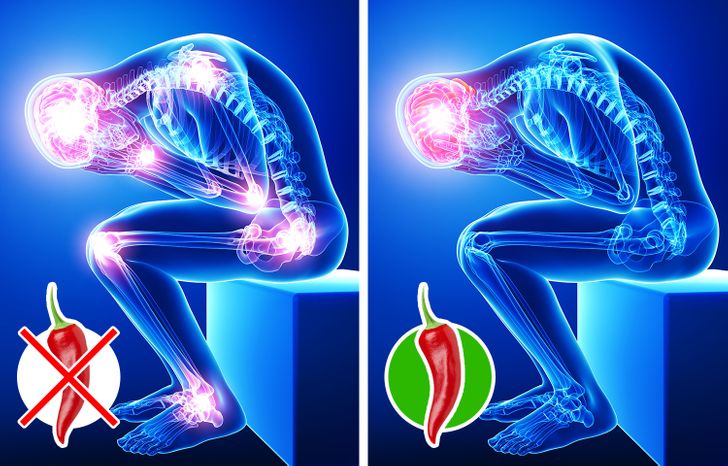 It’s hard to believe, since eating spicy food is painful in itself for some people. However, specialists suggest that capsaicin can target a special substance in our brain that’s responsible for painful feelings. It tricks our brain into ignoring pain, a nice bonus for those who are not afraid of hot things.
3. Your immune system will improve.
 While enjoying hot food, your body gets enriched with antioxidants. It’s especially useful during flu season, since antioxidants protect us from germs that attack our bodies. If you’re already feeling under the weather, cook something with chili peppers, to keep your immunity strong.
4. There’s a chance you’ll live longer.
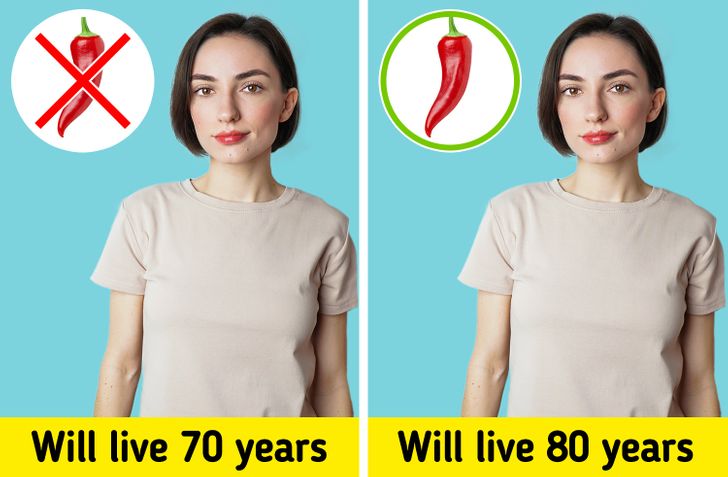 This study showed that those who ate hot food 6-7 days per week had a 14% lower mortality rate. The research observed spicy food lovers independently of other risk factors, so spicy food won’t help those who have an unhealthy lifestyle.
5. Your sugar consumption will decrease.
 It’s not a secret anymore that sugar is terrible for your health, but cutting its amount isn’t easy. Experts say that adding spicy dishes to your menu from time to time might help to fight cravings for sugar. It’s similar to drinking a glass of orange juice after brushing your teeth — after eating something spicy, we usually don’t want anything sweet. Just one more reason to pass the chili sauce!
6. Your taste buds will suffer.
 Your tongue will be the first one to feel the negative consequences of your cravings for hot food. Your tongue will feel a scorching sensation and this is not just a feeling, it will be an actual burn. Because of it, you won’t be able to taste as many flavors as before, but don’t worry, this is only temporary. Your taste receptors will recover, unless you eat too much spicy food on a daily basis for a long time.
7. It can cause an allergic reaction.
 Some people say they experience a swollen face and itchiness the morning after eating a spicy dinner. This can happen because peppers are likely to cause allergies. For some people, this reaction is just the body’s natural reaction to spice. To understand why it happened and how to prevent it, it might be necessary to see a doctor.
8. Your stomach’s problems might worsen.
 If you have a sensitive stomach, eating spicy food is a bad idea. First, it can give you diarrhea. The reason why is capsaicin, which has positive effects on the body, but generally speaking, is an irritant to us. Additionally, it may cause temporary gastritis, or if you already have stomach issues, they are likely to get worse.
9. It may increase heartburn.
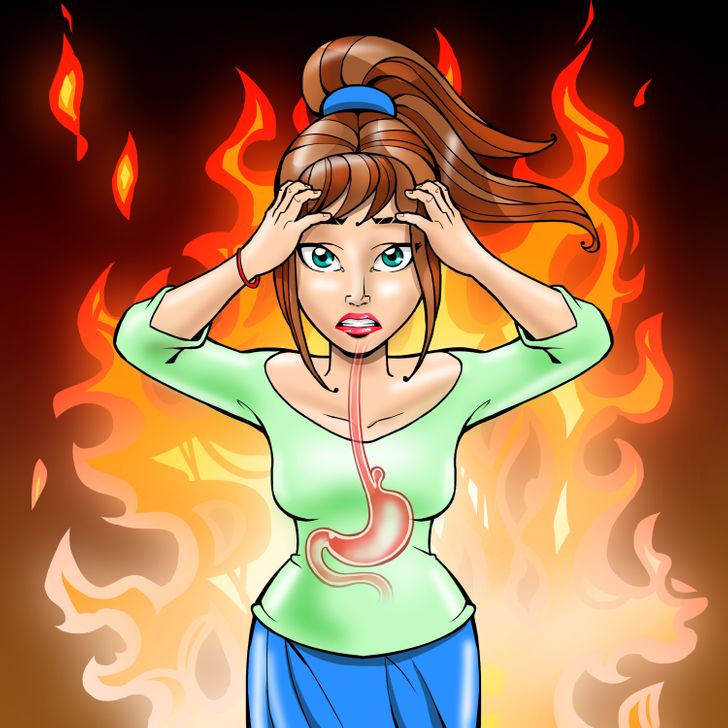 Peppers include a combination of acids and when we consume too much of them, the walls of our stomach start to burn. This condition might worsen and become chronic in the long term. So it’s not in your best interest to overuse foods packed with heat. If yo