
Why do you feel sleepy after a shower? Surprising reasons you may not know
Feeling Sleepy After Showering? Here Are the Hidden Reasons
Facts 30/03/2026 15:53
Swallowing chewing gum is something many people have done at least once, often followed by a common warning: “It will stay in your stomach for seven years.” While this claim has been widely circulated, it is not scientifically accurate. However, that does not mean swallowing gum has no effect on the body. Understanding what actually happens can help separate myth from fact and provide a clearer picture of how the digestive system works.
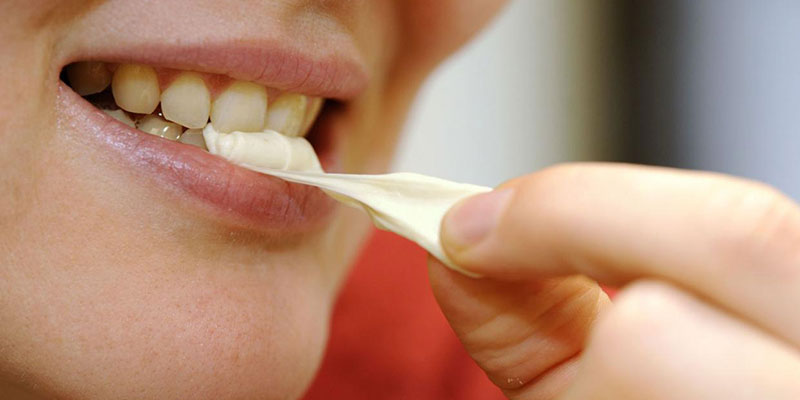
Chewing gum is composed of several ingredients, including:
The gum base is what gives chewing gum its chewy texture. Unlike most foods, this component is not easily broken down by digestive enzymes.
When you swallow chewing gum, it follows the same path as other foods:
After swallowing, the gum travels down the esophagus into the stomach. Unlike regular food, it is not broken down significantly by stomach acids or enzymes.
While the stomach cannot fully digest the gum base, it does process the other components, such as sweeteners and flavorings. These are absorbed or broken down as part of normal digestion.
The remaining gum base moves into the intestines. The digestive system continues to push it along through a process called peristalsis—rhythmic muscle contractions that move contents through the gut.
Eventually, the undigested gum base passes through the intestines and is eliminated from the body in stool, typically within a few days—just like other indigestible substances such as fiber.
For most healthy individuals, accidentally swallowing a small piece of gum is generally harmless. The body is capable of passing it without causing damage.
Problems may arise if large amounts of gum are swallowed over time, especially in children. In rare cases, this can lead to a buildup in the digestive tract, potentially causing a blockage.
Symptoms of a blockage may include:
Such situations are uncommon but require medical attention if they occur.
This is one of the most persistent myths. In reality, the digestive system moves gum through the body within a normal timeframe, usually within a few days.
There is no scientific evidence to support the idea that gum sticks to the stomach or intestines. The body’s digestive processes are designed to keep materials moving.
While the gum base passes through the body, other ingredients may have minor effects:
Certain individuals should be more cautious about swallowing gum:
In these cases, avoiding swallowing gum is a safer approach.
To minimize any potential risks, consider the following habits:
These simple practices can help ensure safe and responsible use.
Swallowing chewing gum occasionally is not as dangerous as many people believe. While the body cannot fully digest the gum base, it is capable of moving it through the digestive system and eliminating it naturally within a few days.
However, this does not mean swallowing gum should become a habit. Like many things, moderation and awareness are key. By understanding how your body reacts, you can make informed choices and avoid unnecessary concerns.
In the end, the myth of gum staying in your stomach for years may be exaggerated - but treating your digestive system with care is always a wise decision.
Feeling Sleepy After Showering? Here Are the Hidden Reasons

After a loved one passes, some items should be kept.

Why do hotel beds usually come with four pillows and what are the extra two for?

If a millipede crawls into your house, pause before taking action

Why is noon the standard check-out time in most hotels?

These skin signs could mean something serious

Why Experts Are Warning About Mung Beans Again (Most People Ignore This!)

If your partner invites you to shower together, it might indicate that…

Why does eating trigger the urge to use the bathroom in some people?
Gallbladder Cancer: 6 Subtle Symptoms to Watch For

Are “washed eggs” really dangerous? Experts reveal the truth.

Can this natural remedy really fight cancer?

Have you ever felt unable to move or shout while sleeping? It might mean you are…

What causes frequent dreams of 'missteps' and what could they represent?

5 powerful health benefits of eating chia seeds on a regular basis

Drivers over 70 may face stricter rules in the near future

This is why your cat sleeps with you

Does a washing machine’s capacity refer to dry clothes or wet clothes?

6 Signs You’re No Longer a Couple — Just Living Like Roommates
Feeling Sleepy After Showering? Here Are the Hidden Reasons

5 Nighttime Signs of Kidney Problems You Should Never Ignore

If your phone gets hot or the battery drains quickly, here’s what you should watch out for

Turning 60? Here’s what happens when you eat a banana every day

Doctors say that eating chayote can cause...

For many years, pork fat has been labeled as “unhealthy,” often blamed for weight gain and disease. However, as nutritional science advances, experts have revealed that pork fat—when consumed properly—actually offers several notable health benefi

For many people, tomatoes are just another everyday food. But growing evidence shows that eating tomatoes daily can bring remarkable changes to the body — and the results often become most noticeable after one year. A number of nutrition studies have re

Warm salted lemon water is often praised as a detox drink that helps with digestion, hydration, and immunity. Many people drink it every morning believing it can “cleanse” the body.

Ear pain is a surprisingly common problem that can affect people of all ages—from toddlers to older adults. The discomfort may range from mild irritation to sharp, throbbing pain that disrupts sleep and daily life.
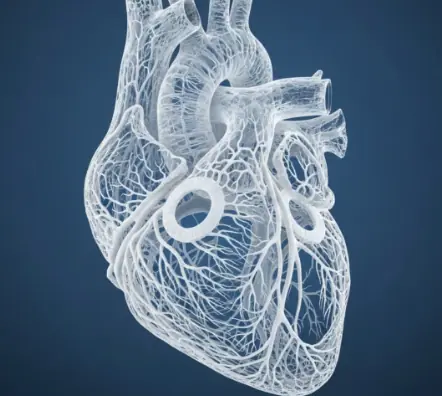
The human heart, when stripped of its muscle and fat, reveals a mesmerizing and intricate internal structure. Without the layers of muscle tissue that typically conceal it, the heart’s network of coronary arteries and cardiac veins emerges in full view,
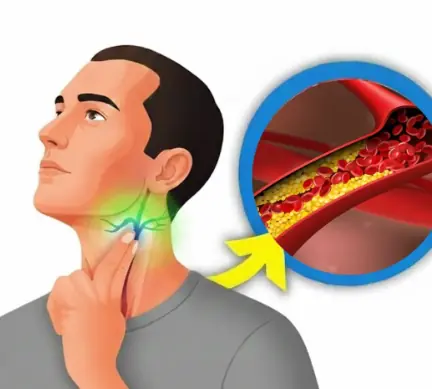
When high blood pressure strikes, the go-to solution is often medication. But have you ever wondered how people managed heart issues before modern pills existed?
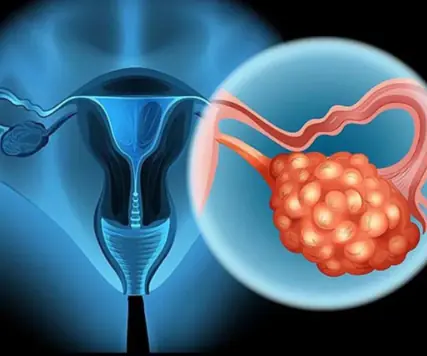
Ovarian cancer has been dubbed ‘The Silent Killer’. Similar to many other cancers, it doesn’t show any symptoms for a long time.
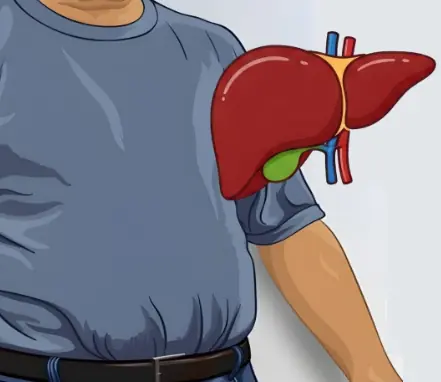

Meta description Many families consume these 4 common vegetables daily without knowing they can quietly damage the liver. Learn the hidden risks and how to eat safely.

Water is essential for life, making up about 60% of the human body. It plays a critical role in maintaining bodily functions, including regulating temperature, transporting nutrients, and removing waste.

You didn’t hit anything… so why do you have bruises?

Most people feel unsettled at the thought of snakes wandering too close to their balcony, garden, or home. And while there’s no plant on Earth that can guarantee 100% snake-repellent effects, there are several plants that people around the world tra

Many people think diabetes only affects blood sugar, appetite, or energy. But one of the earliest — and most overlooked — warning signs often appears right in the eyes.
Pollen, dust mites, pet dander trigger immune response Leads to runny nose, sneezing, and constant mucus production Often worse in spring or fall