Fatty liver disease, medically known as hepatic steatosis, has become an increasingly common health issue worldwide. As more lifestyles include poor diets, sedentary routines, and high stress, understanding the habits that silently harm your liver is more important than ever. This article takes a closer look at the 10 worst habits that can damage your liver—why they matter, how they affect your body, and what you can do to protect yourself.
Key Takeaways
-
Avoid supplements that claim to “detox” or “cleanse” the liver.
-
Reduce or eliminate ultra-processed foods.
-
Limit sugary drinks and sweetened beverages.
-
Make sleep and daily movement a priority.
-
Be mindful and responsible with alcohol use.
Understanding Fatty Liver Disease
Fatty liver disease happens when too much fat accumulates inside liver cells, interfering with normal liver functions. Over time, this buildup can trigger inflammation, scarring (fibrosis), and in more severe cases, cirrhosis or liver failure. The encouraging news is that many of the behaviors contributing to fatty liver are modifiable, meaning you can take real action starting today. With consistent, informed habits, liver damage can often be slowed—and sometimes even reversed.
The 10 Worst Habits for Your Liver
Below are the top 10 habits that damage your liver, listed from the least harmful to the most dangerous—though all deserve your attention.
10. Believing in Detox Supplements
Many people trust supplements marketed as liver cleansers, but the truth is: no pill can detox your liver. Your liver already detoxifies your body naturally. Worse, some supplements—especially concentrated herbal extracts like green tea capsules—have been linked to liver inflammation and even rare cases requiring transplants. Always discuss new supplements with a healthcare provider, especially if you already have health conditions or take medications.
9. Consuming Ultra-Processed Foods
Ultra-processed foods are cheap, convenient, and everywhere—but they’re extremely harmful for the liver. These include:
-
Packaged cookies
-
Cereal bars
-
Frozen pizzas
-
Instant noodles
-
Highly processed snacks and ready-to-eat meals
They often contain excess salt, sugars, refined carbs, and unhealthy fats, all of which contribute to liver fat buildup. Try replacing these with whole foods such as fruits, vegetables, nuts, whole grains, and lean proteins. Small swaps over time can make a big difference.
8. Drinking Sugary Beverages

Sugary drinks—sodas, fruit punches, sweet teas—are one of the fastest ways to accumulate fat in the liver. Many of these beverages contain high fructose corn syrup, which the liver must process directly. Routine consumption increases risk for fatty liver, weight gain, and metabolic issues. If you enjoy sweet drinks, limit them to special occasions or choose unsweetened versions. Zero-calorie sodas are less harmful but may still contain preservatives and artificial sweeteners to watch out for.
7. Not Getting Enough Sleep
Sleep is when your body repairs itself, regulates hormones, and restores metabolic balance. Getting fewer than 6 hours of sleep consistently increases the risk of obesity, insulin resistance, and liver disease. Establish a healthy sleep routine by going to bed at the same time, reducing screen time before bed, and creating a calm sleep environment. Improving sleep quality can have rapid, noticeable benefits for liver health.
6. Eating Too Much White Flour
Foods made with refined white flour—such as pastries, bread, pancakes, and pasta—cause rapid spikes in blood sugar. When the body cannot use all this sugar, it gets stored as fat, much of which accumulates in the liver. You don’t need to eliminate these foods entirely, but reducing daily consumption and choosing whole-grain options more often can help regulate blood sugar and liver fat.
5. Leading a Sedentary Lifestyle
Physical activity is one of the strongest protectors against fatty liver disease. Aim for at least 150 minutes of exercise per week, which can be divided into:
-
50 minutes × 3 days a week
-
30 minutes × 5 days a week
-
Or short sessions throughout the day
Choose activities you genuinely enjoy—walking, cycling, dancing, yoga, swimming—because consistency matters more than intensity. Movement helps the body burn fat, improve circulation, and reduce liver stress.
4. Drinking Alcohol
Alcohol is a major threat to liver health. Even moderate drinking can be risky if you already have liver issues. While one drink per day is generally considered “moderate,” alcohol affects everyone differently based on genetics, diet, medications, and overall health. When in doubt, drink less—not more—and consider alcohol-free days during the week to give your liver time to recover.
3. Ignoring Other Health Conditions
Underlying conditions like high blood pressure, diabetes, high cholesterol, and thyroid disorders significantly increase the risk of fatty liver disease. Managing these conditions through medication, diet, and lifestyle changes is essential. Regular check-ups help catch problems early before they lead to irreversible liver damage.
2. Consuming Saturated Fats
Diets high in saturated fats—from fatty meats, full-fat dairy, butter, and certain oils—can rapidly increase liver fat. Instead of lard or coconut oil, choose healthier alternatives like extra virgin olive oil, which supports better heart and liver health. Reducing saturated fat intake not only benefits the liver but also helps control cholesterol levels.
1. Obesity
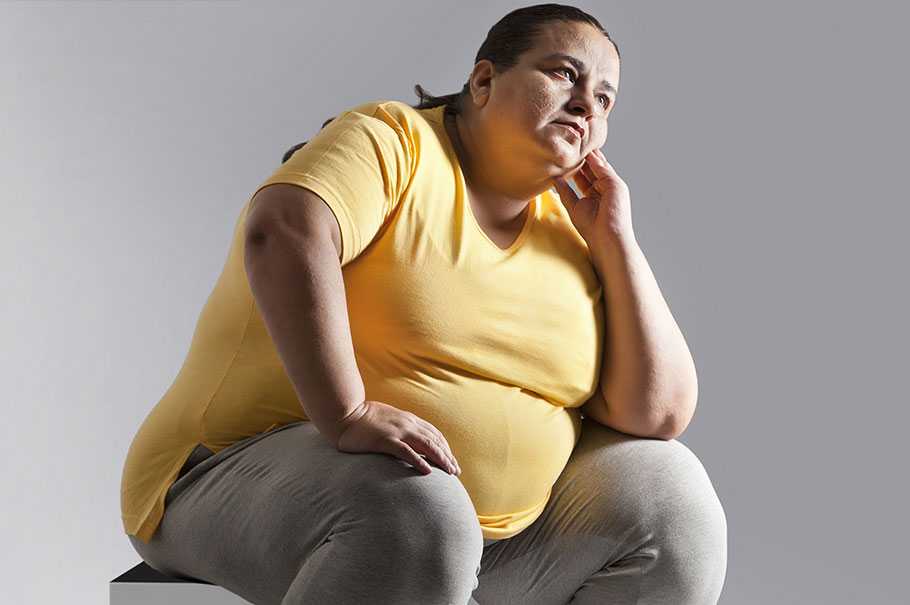
Obesity remains the number one cause of fatty liver disease. Even a 5–10% decrease in total body weight can dramatically improve liver function and reduce inflammation. Focus on gradual, sustainable weight loss rather than extreme diets. Losing weight too quickly may actually worsen liver health, so a slow reduction of 1–2 pounds per week is ideal.
Conclusion
Your liver plays a vital role in digestion, detoxification, and overall well-being. By understanding and avoiding these harmful habits, you can protect your liver and improve your long-term health. Small daily changes—better sleep, healthier food choices, regular movement, and thoughtful lifestyle habits—can make a powerful difference. If you have concerns about your liver or need personalized guidance, consult a healthcare professional. Your liver works hard for you—take care of it in return.