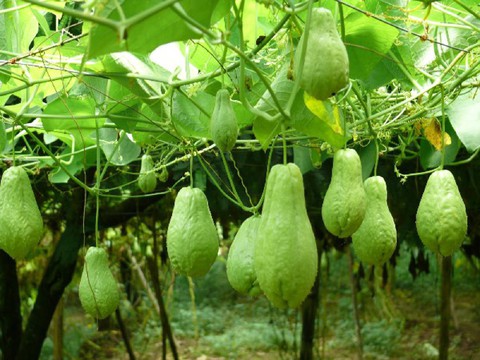
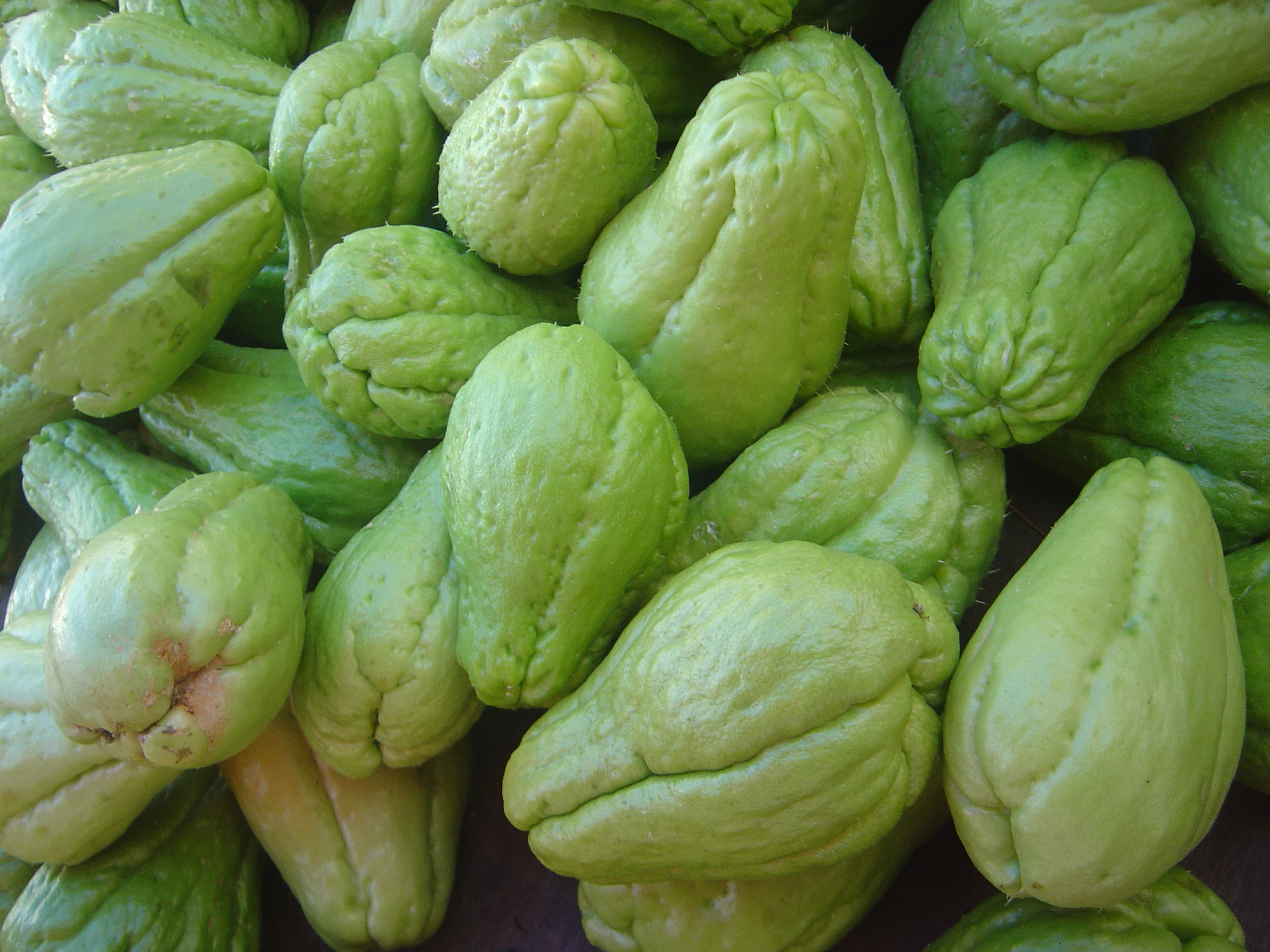
Chayote, also known as vegetable pear or mirliton, is a green, pear-shaped vegetable widely used in many cuisines around the world. It is especially popular in Asian and Latin American dishes due to its mild flavor and versatility. While chayote is often praised for its nutritional value and health benefits, doctors note that its effects on the body can vary depending on how it is consumed and individual health conditions.
Understanding both the advantages and potential considerations of eating chayote can help individuals make informed dietary choices.

Nutritional Profile of Chayote
Chayote is a low-calorie vegetable that is rich in essential nutrients. It contains:
- Dietary fiber
- Vitamin C
- Folate (vitamin B9)
- Potassium
- Antioxidants
Because of its high water content and low fat levels, chayote is often included in weight management and healthy eating plans.
Potential Health Benefits
1. Supports Digestive Health
Chayote is high in fiber, which promotes healthy digestion and helps prevent constipation. Regular consumption may improve gut health and support a balanced digestive system.
2. Aids in Weight Management
Due to its low calorie and high water content, chayote can help individuals feel full without consuming excessive calories. This makes it a suitable option for those trying to maintain or lose weight.
3. Promotes Heart Health
The potassium content in chayote helps regulate blood pressure, while its antioxidants may reduce inflammation and support cardiovascular health.
4. Helps Regulate Blood Sugar
Chayote has a low glycemic index, meaning it does not cause rapid spikes in blood sugar levels. This makes it beneficial for individuals managing diabetes or insulin resistance.
5. Provides Antioxidant Protection
Antioxidants in chayote help protect the body from oxidative stress, which is linked to aging and chronic diseases.
Possible Effects and Considerations
While chayote is generally safe and healthy, doctors point out that certain effects may occur in some individuals.
1. Digestive Discomfort in Some People
Although fiber is beneficial, consuming large amounts of chayote may lead to bloating, gas, or mild digestive discomfort, especially for those not used to a high-fiber diet.
2. Allergic Reactions (Rare Cases)
Some individuals may experience mild allergic reactions when handling or consuming chayote, such as skin irritation or itching. This is uncommon but should be noted.
3. Interaction with Certain Conditions
People with specific health conditions—such as kidney issues—should monitor potassium intake. Since chayote contains potassium, excessive consumption may not be suitable in such cases.
4. Effects of Preparation Methods
The health benefits of chayote can vary depending on how it is prepared. Boiling or steaming helps retain nutrients, while frying or adding excessive salt may reduce its health value.
Best Ways to Include Chayote in Your Diet
To maximize its benefits, chayote can be prepared in various healthy ways:
- Steamed or boiled as a side dish
- Added to soups and stews
- Stir-fried with minimal oil
- Included in salads for a fresh, crunchy texture
Combining chayote with other nutrient-rich foods can enhance its overall health impact.
Who Should Be Mindful?
Although chayote is suitable for most people, certain individuals should consume it with caution:
- Those with sensitive digestive systems
- Individuals with kidney conditions requiring potassium control
- People who notice allergic reactions after consumption
Consulting a healthcare professional can help determine appropriate intake levels.
Conclusion
Chayote is a nutritious and versatile vegetable that can offer numerous health benefits, from supporting digestion to promoting heart health. However, as doctors point out, consuming chayote may also lead to certain effects depending on individual health conditions and consumption habits.
The key is moderation and balance. By incorporating chayote into a varied and healthy diet, individuals can enjoy its benefits while minimizing potential drawbacks. Making informed choices ensures that this humble vegetable contributes positively to overall well-being.