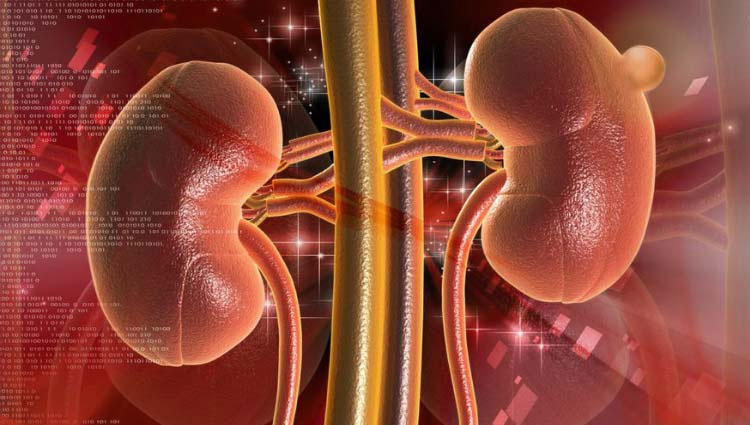
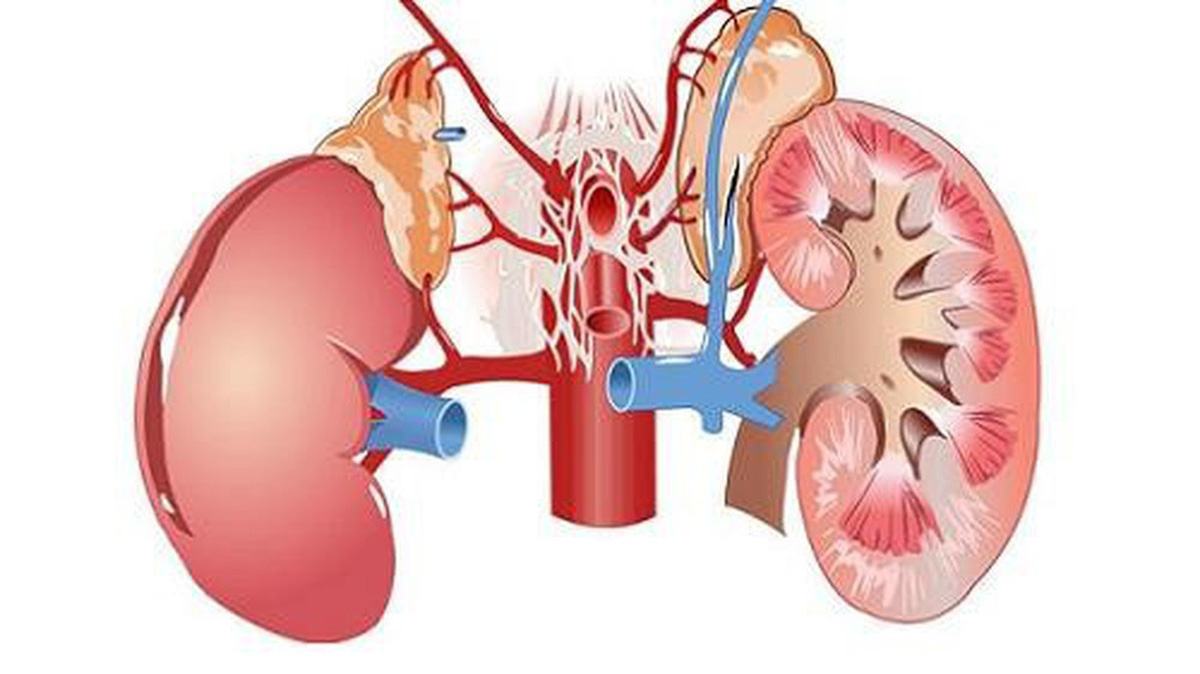
The kidneys play a vital role in maintaining overall health. They filter waste from the blood, regulate fluid balance, control blood pressure, and support essential bodily functions. However, kidney problems often develop quietly, without obvious symptoms in the early stages. In many cases, the body begins to send subtle signals—especially at night—when the body is at rest and changes become more noticeable.
Recognizing these nighttime warning signs can help detect potential kidney issues early and prevent more serious complications.
Why Nighttime Symptoms Matter
During the night, the body shifts into a resting and recovery mode. This is when certain imbalances—such as fluid retention, toxin buildup, or hormonal changes—can become more apparent.
Kidney function is closely linked to fluid regulation and waste removal. When the kidneys are not working properly, these processes can be disrupted, leading to symptoms that are more noticeable during sleep or rest.
1. Frequent Nighttime Urination (Nocturia)
One of the most common signs of kidney problems is frequent urination at night, known as nocturia. While waking up once during the night to urinate can be normal, repeated interruptions may indicate an issue.
When the kidneys are not functioning efficiently, they may struggle to concentrate urine properly, leading to increased urine production at night.
Possible signs include:
- Waking up multiple times to urinate
- Passing large amounts of urine at night
- Difficulty returning to sleep afterward
2. Swelling in the Legs, Ankles, or Face
Kidneys help regulate fluid balance in the body. When they are impaired, excess fluid can accumulate in tissues, causing swelling (edema).
This swelling may become more noticeable at night, especially after lying down. Individuals may observe:
- Puffy eyes in the morning
- Swollen ankles or feet
- A feeling of tightness in the legs
Fluid retention is an important signal that should not be ignored.
3. Persistent Fatigue and Weakness
Although fatigue can occur at any time of day, it may feel more pronounced at night. When the kidneys are not functioning properly, toxins can build up in the bloodstream, leading to a constant feeling of tiredness.
In addition, kidney problems can affect the production of red blood cells, contributing to anemia. This may result in:
- Low energy levels
- Difficulty staying alert
- A general sense of weakness
4. Difficulty Sleeping
Kidney issues can interfere with sleep quality. Toxin buildup, discomfort, or frequent urination can disrupt normal sleep patterns.
Some individuals may experience:
- Trouble falling asleep
- Restless sleep
- Waking up frequently during the night
Poor sleep may further worsen overall health, creating a cycle of fatigue and discomfort.
5. Muscle Cramps or Restless Legs
Kidneys play a role in maintaining proper electrolyte balance, including levels of calcium, potassium, and sodium. When this balance is disrupted, it can lead to muscle cramps or restless leg sensations at night.
These symptoms may include:
- Sudden leg cramps during sleep
- A tingling or crawling sensation in the legs
- An urge to move the legs frequently
Such symptoms can significantly affect sleep quality and may indicate underlying kidney dysfunction.
When Should You Be Concerned?
While occasional symptoms may not indicate a serious problem, persistent or worsening signs should not be ignored. It is important to seek medical advice if:
- Nighttime urination becomes frequent and disruptive
- Swelling does not improve or worsens
- Fatigue is constant and unexplained
- Sleep disturbances persist over time
- Muscle cramps occur regularly
Early detection allows for better management and can help prevent progression to more severe kidney disease.
Supporting Kidney Health
Maintaining healthy kidneys involves adopting simple but effective lifestyle habits:
- Stay well hydrated
- Eat a balanced diet low in excessive salt and processed foods
- Manage blood pressure and blood sugar levels
- Exercise regularly
- Avoid overuse of medications that may affect the kidneys
- Schedule regular health check-ups
These habits can reduce the risk of kidney problems and support overall well-being.

Conclusion
The body often communicates health concerns in subtle ways, and nighttime symptoms can be important clues. Frequent urination, swelling, fatigue, sleep disturbances, and muscle cramps are all signs that may point to kidney issues.
Listening to these signals and taking them seriously can make a significant difference. Early awareness, combined with timely medical care and healthy lifestyle choices, is key to protecting kidney function and maintaining long-term health.