❣️ 6 Best Remedies to Clear Out Your Arteries
Ancient, natural remedies can be highly effective in combating heart problems and protecting your overall cardiovascular health.
Your heart is central to your well-being, and heart disease is an ongoing, often silent, threat. In fact, for more than 80 years, heart disease has been the leading cause of death in the United States, claiming a life every 36 seconds and leading to over 655,000 deaths annually.
To address this concerning reality, conventional medicine typically prescribes drugs like statins, anticoagulants, beta blockers, and ACE inhibitors to lower cholesterol and blood pressure. However, these pharmaceutical drugs come with potentially harmful side effects. For example, beta blockers can cause fatigue, dizziness, and headaches, while statins may lead to muscle pain, liver complications, and even increase diabetes risk. Some blood pressure medications have even been linked to an increased risk of pancreatic, lung, and liver cancer.
So why not consider safeguarding your heart health with time-tested, scientifically proven natural remedies? Below, we’ll explore six natural remedies that have been shown to lower blood pressure, reduce harmful cholesterol levels, and help clear arterial plaque buildup.
You will discover:
-
A zesty root that combats inflammation.
-
A flavorful tea considered by researchers as a promising solution for heart disease.
-
A golden root that can lower cholesterol in just 30 days—and much more!
Let's begin with a natural remedy that provides dramatic heart benefits: Hawthorn.
6. Hawthorn: A Powerful Heart Protector
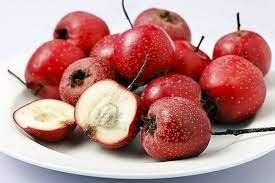
Hawthorn berries have been used for centuries to combat high blood pressure and improve heart health. But first, let's understand why high blood pressure (or hypertension) is so dangerous.
High blood pressure exerts excessive force on artery linings, which can cause damage and allow plaque to accumulate in those areas, leading to atherosclerosis. This condition occurs when plaque—made of cholesterol, fat, calcium, and other substances—builds up and reduces blood flow. As a result, your heart has to work harder to pump blood throughout the body, which can lead to chest pain. Over time, high blood pressure may even cause pieces of plaque to break loose, blocking arteries and resulting in a heart attack, stroke, or even death.
This is where hawthorn can help. The berries contain compounds called procyanidins that can help dilate coronary arteries, improve circulation, and lower blood pressure. Hawthorn also has anti-inflammatory properties that can help reduce chronic inflammation in heart disease such as atherosclerosis.
Studies have shown that hawthorn extracts can regulate heart rhythm, reduce shortness of breath and fatigue, and even alleviate ankle swelling in individuals with congestive heart failure. It is widely used in Europe for mild to moderate heart failure. The recommended dosage is 250 to 500 mg of hawthorn extract standardized to 18.5% oligomeric procyanidins.
5. Hibiscus: A Heart-Boosting Tea
Hibiscus is another powerful herb known for its ability to lower blood pressure and support overall heart health. Research published in Fitoterapia has demonstrated that hibiscus extracts can effectively lower blood pressure in individuals with hypertension and type 2 diabetes, showing similar effectiveness to pharmaceutical drugs like Captopril.
Hibiscus is rich in anthocyanins, powerful antioxidants that help prevent fat oxidation and reduce the risk of atherosclerosis. Regular consumption of hibiscus tea—one to two cups a day—can help maintain optimal heart and blood vessel health. Its tart yet pleasant flavor can be enhanced with honey or stevia.
4. Garlic: A Heart-Protective Powerhouse
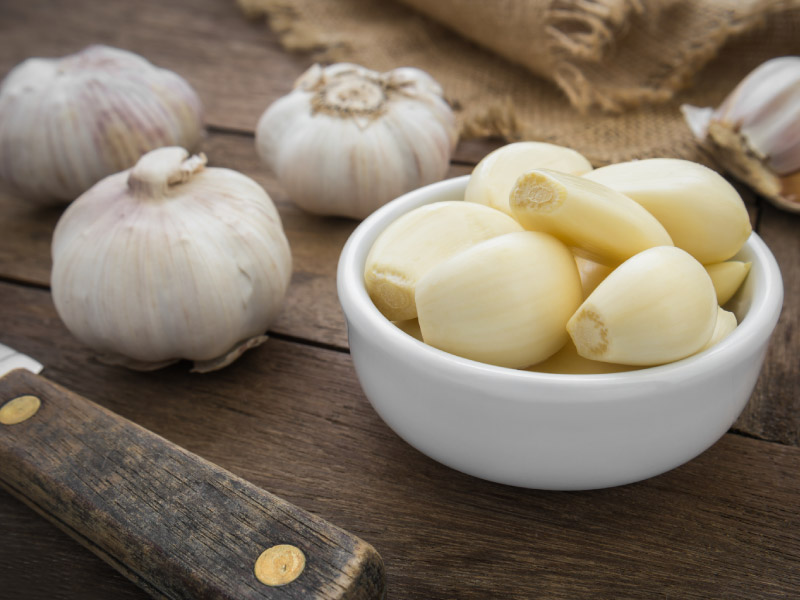
Garlic is a staple in traditional medicine for treating conditions like high blood pressure, heart disease, and infections. The active compound in garlic, allicin, has potent antioxidant and anti-inflammatory properties that are released when garlic is crushed or chopped.
Research has shown that garlic can reduce inflammation and harmful markers like C-reactive protein and homocysteine, an amino acid linked to heart disease. Garlic also helps clear clogged arteries by increasing nitric oxide production in blood vessels, which widens arteries and lowers blood pressure. In addition, it helps prevent plaque buildup.
To harness these benefits, eat 3 to 5 cloves of garlic daily or consider aged garlic extract supplements (300 to 1,000 mg in divided doses). Studies have demonstrated that aged garlic extract can significantly reduce coronary artery plaque in people with metabolic syndrome.
3. Ginger: An Anti-Inflammatory Root
Ginger is known as a universal remedy, especially in Ayurvedic and Traditional Chinese Medicine, for its many health benefits. Ginger works as a powerful anti-inflammatory agent, inhibiting pro-inflammatory molecules like cytokines and cyclooxygenase-2.
Research shows that daily consumption of 5 grams of powdered ginger can significantly reduce LDL oxidation, which is linked to arterial inflammation. A daily intake of 2 to 4 grams of ginger can also help prevent high blood pressure and cardiovascular issues. For supplementation, 2,500 mg of ginger powder twice a day is the recommended dosage.
2. Cayenne Pepper: A Zesty Heart Helper
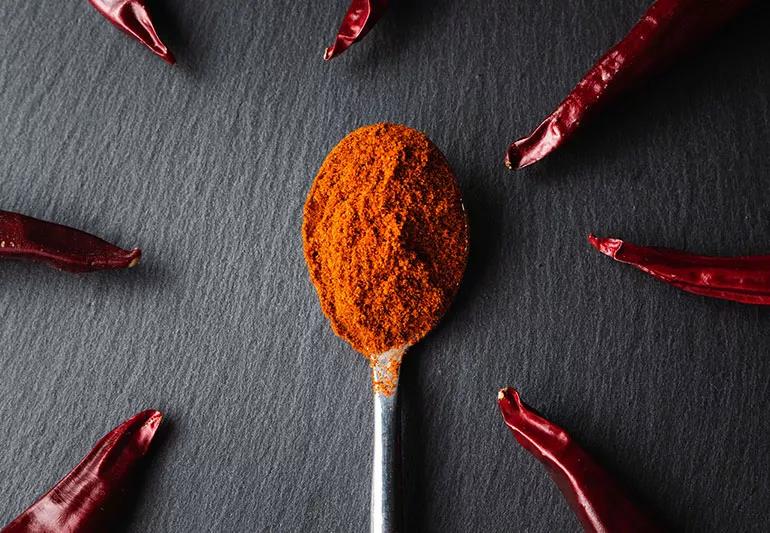
Cayenne pepper, often used in cooking for its heat and flavor, is known for its active ingredient—capsaicin. Capsaicin plays a key role in supporting heart health by widening arteries, improving blood flow, and lowering LDL cholesterol levels. Additionally, it helps combat obesity by boosting metabolism and reducing appetite.
Studies show that individuals who consume capsaicin-rich beverages during meals feel less hungry and end up consuming fewer calories. For heart health, consider taking 30 to 120 mg of cayenne pepper capsules one to three times a day.
1. Curcumin: The Golden Heart Protector
Curcumin, the bright yellow pigment in turmeric, is widely recognized for its healing properties. This compound has been studied extensively and found to help lower cholesterol, prevent blood clots, and reduce inflammation related to heart health.
Curcumin's anti-inflammatory properties are superior to many pharmaceutical drugs, such as aspirin, without the negative side effects. It also inhibits blood platelet aggregation, preventing the formation of blood clots that can lead to heart attacks or strokes. The recommended dosage for curcumin is 1,000 mg daily, taken with black pepper to enhance absorption.
Conclusion
Although modern medications play an important role in managing heart health, natural remedies can be just as effective, with fewer side effects. Incorporating these six heart-protective remedies into your daily routine can support your cardiovascular health, reduce blood pressure, and improve overall well-being. Always consult your doctor before starting any new supplement or remedy, especially if you are taking prescribed medications. Take control of your heart health—naturally!