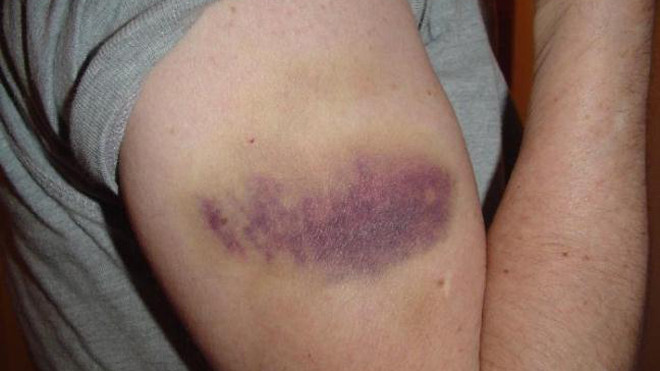
Why Do Random Bruises Appear on Your Body and Legs?
Have you ever noticed bruises on your body or legs without remembering any injury? While it can feel alarming, random bruising is actually quite common—and in many cases, harmless. However, it can sometimes signal underlying health issues that shouldn’t be ignored.
What Causes a Bruise?
Bruises occur when tiny blood vessels beneath the skin are damaged, causing blood to leak and pool under the surface. This leads to the familiar discoloration—purple, blue, or yellow marks that gradually fade over time.
Common Causes of Random Bruising
1. Minor Injuries You Don’t Notice
Sometimes, even small bumps or pressure on the body can break blood vessels without you realizing it. This is especially true for active individuals or during intense exercise.
2. Medications and Supplements
Certain medications—such as blood thinners, aspirin, or anti-inflammatory drugs—can reduce your blood’s ability to clot, making bruising more likely.
Even natural supplements like fish oil, garlic, or ginkgo biloba may contribute to easy bruising.
3. Vitamin Deficiencies
Lack of essential nutrients can weaken your blood vessels and affect clotting. Common deficiencies linked to bruising include:
- Vitamin C (affects skin and healing)
- Vitamin K (affects blood clotting)
- Iron (affects healthy blood cells)
Other Factors That Increase Bruising
Age and Gender
As you age, your skin becomes thinner and blood vessels more fragile, making bruises more likely. Women also tend to bruise more easily due to differences in fat distribution and vessel protection.
Genetics
Some people inherit a tendency to bruise easily. Conditions like von Willebrand disease affect how blood clots, leading to frequent bruising.
When Bruising Could Be a Warning Sign
Although most bruises are harmless, frequent or unusual bruising may indicate a deeper issue, such as:
- Bleeding disorders (e.g., hemophilia)
- Low platelet count
- Liver disease
- Diabetes (slower healing)
- Certain cancers or immune conditions
You should consider seeing a doctor if:
- Bruises appear often or grow unusually large
- They take longer than 2 weeks to heal
- You experience other symptoms like excessive bleeding or fatigue

Can You Prevent Random Bruising?
While not all bruises can be avoided, you can reduce your risk by:
- Maintaining a balanced diet rich in vitamins
- Being mindful of medications and supplements
- Avoiding unnecessary physical impacts
- Keeping your living space safe to prevent minor injuries
Final Thoughts
Random bruising is usually nothing to worry about and often heals on its own. However, your body may sometimes use these marks as signals. Paying attention to patterns, frequency, and accompanying symptoms can help you determine whether it’s just a minor issue—or something worth checking out.