Peanuts are one of the most widely consumed foods in the world. They are affordable, versatile, and packed with nutrients, making them a popular choice in many diets. From peanut butter to snacks and cooking ingredients, peanuts have become a staple in daily nutrition. However, while they offer several health benefits, doctors also point out that peanut consumption can lead to certain risks, especially when consumed improperly or in excessive amounts.
Understanding both the positive and negative effects of peanuts is essential for making informed dietary choices.
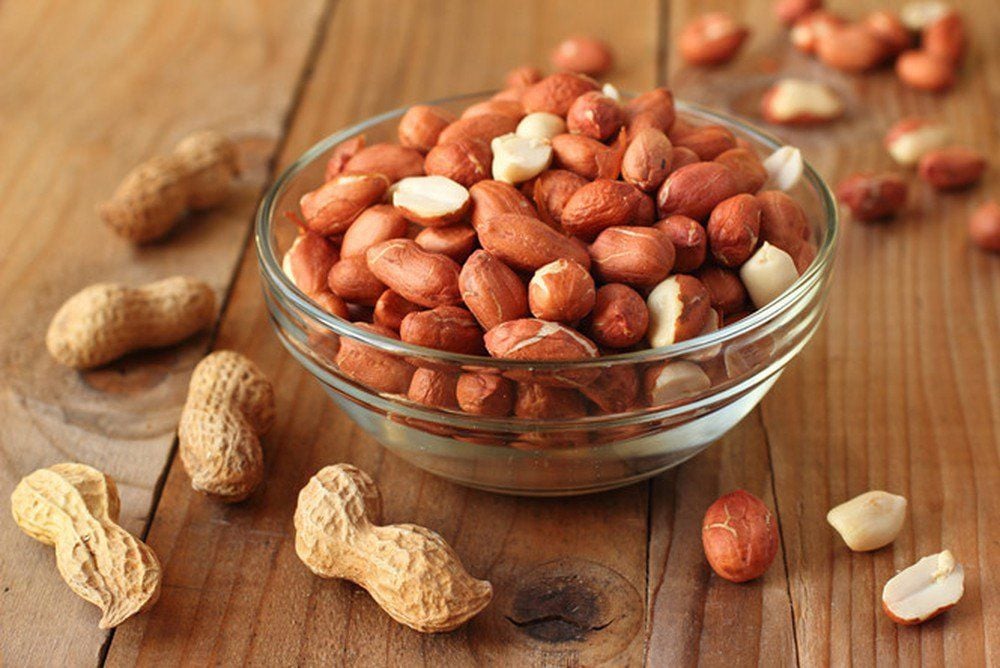
Nutritional Value of Peanuts
Peanuts are rich in essential nutrients that support overall health. They are an excellent source of:
- Protein
- Healthy fats (especially monounsaturated and polyunsaturated fats)
- Fiber
- Vitamins such as vitamin E and B vitamins
- Minerals including magnesium, potassium, and phosphorus
These nutrients contribute to energy production, muscle repair, and proper body function. Because of their high nutritional density, peanuts are often recommended as part of a balanced diet.
Potential Health Benefits
1. Heart Health Support
Peanuts contain healthy fats that can help reduce bad cholesterol (LDL) and improve good cholesterol (HDL). This may lower the risk of cardiovascular disease when consumed in moderation.
2. Weight Management
Despite being calorie-dense, peanuts can promote satiety, helping people feel full for longer periods. This may reduce overall calorie intake when eaten in controlled portions.
3. Blood Sugar Regulation
Peanuts have a low glycemic index, meaning they do not cause rapid spikes in blood sugar levels. This makes them a suitable snack option for individuals managing diabetes.
4. Antioxidant Properties
Peanuts contain antioxidants such as resveratrol, which help protect cells from oxidative stress and may reduce the risk of chronic diseases.
Potential Risks of Peanut Consumption
While peanuts are generally healthy, doctors emphasize that certain risks should not be overlooked.
1. Allergic Reactions
One of the most serious concerns is peanut allergy. For some individuals, even a small amount can trigger severe reactions, including:
- Skin rashes or hives
- Swelling of the lips or throat
- Difficulty breathing
- Anaphylaxis (a life-threatening emergency)
Peanut allergy is one of the most common food allergies and requires strict avoidance.
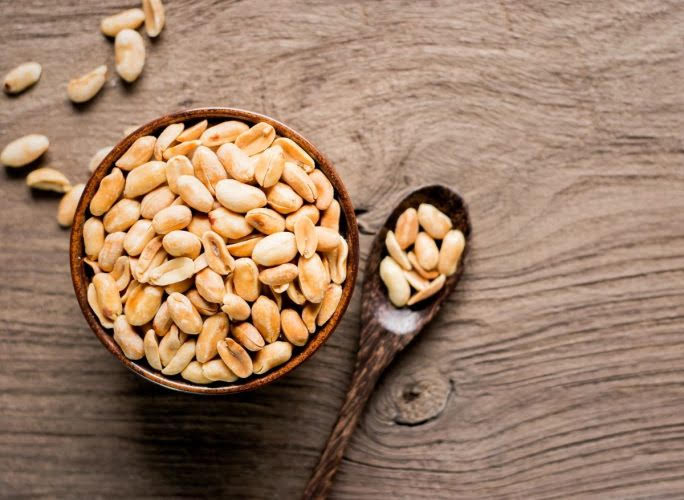
2. High Calorie Intake and Weight Gain
Peanuts are high in calories due to their fat content. Overeating them can lead to excessive calorie intake, which may contribute to weight gain if not balanced with physical activity.
3. Risk of Aflatoxin Contamination
Peanuts can sometimes be contaminated with aflatoxins, which are toxic substances produced by certain molds. Long-term exposure to aflatoxins has been linked to liver damage and an increased risk of liver cancer.
Proper storage and purchasing from reliable sources can help reduce this risk.
4. Digestive Issues
Some individuals may experience bloating, gas, or discomfort after consuming peanuts, especially in large quantities. This is often due to their fiber and fat content, which can be harder to digest for some people.
5. Added Ingredients in Processed Products
Peanut-based products, such as flavored peanuts or commercial peanut butter, often contain added sugar, salt, and unhealthy fats. These additions can reduce the overall health benefits and contribute to other health issues like high blood pressure.
How to Consume Peanuts Safely
To maximize benefits and minimize risks, doctors recommend:
- Eating peanuts in moderation
- Choosing unsalted and minimally processed varieties
- Checking labels for added ingredients
- Storing peanuts properly to avoid contamination
- Avoiding peanuts completely if allergic
Incorporating peanuts into a balanced diet, alongside other nutrient-rich foods, is key to maintaining overall health.
Who Should Be Cautious?
Certain individuals should be particularly mindful of peanut consumption:
- People with known peanut allergies
- Individuals with liver conditions (due to aflatoxin risk)
- Those managing calorie intake for weight control
- People with sensitive digestive systems
Consulting a healthcare professional can help determine whether peanuts are appropriate for individual dietary needs.
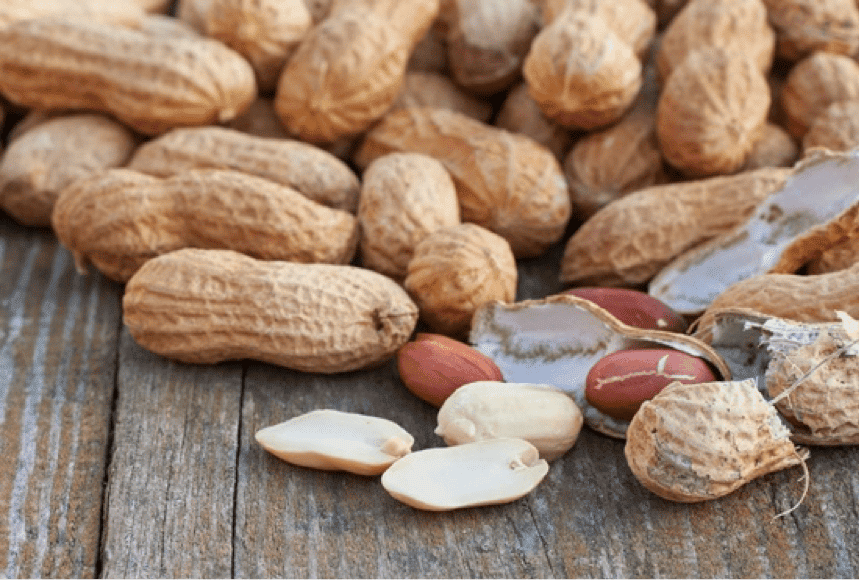
Conclusion
Peanuts are a nutrient-rich food that can provide numerous health benefits when consumed responsibly. However, as doctors point out, peanut consumption can also lead to potential risks, particularly in cases of allergies, overconsumption, or poor-quality products.
The key lies in balance and awareness. By understanding both the advantages and possible drawbacks, individuals can make informed choices and enjoy peanuts as part of a healthy and well-rounded diet.