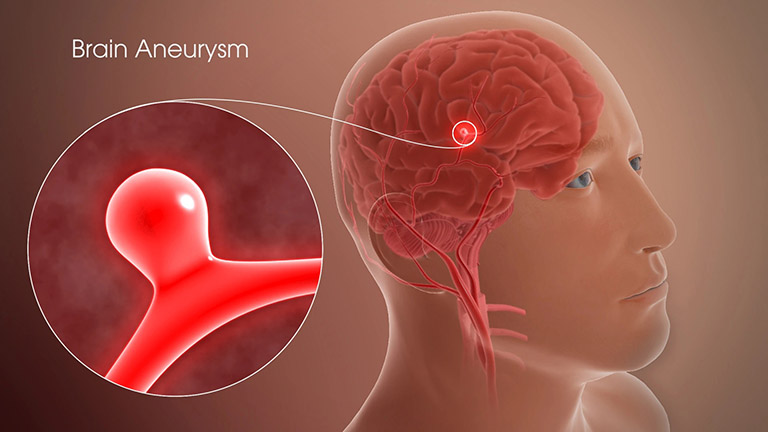
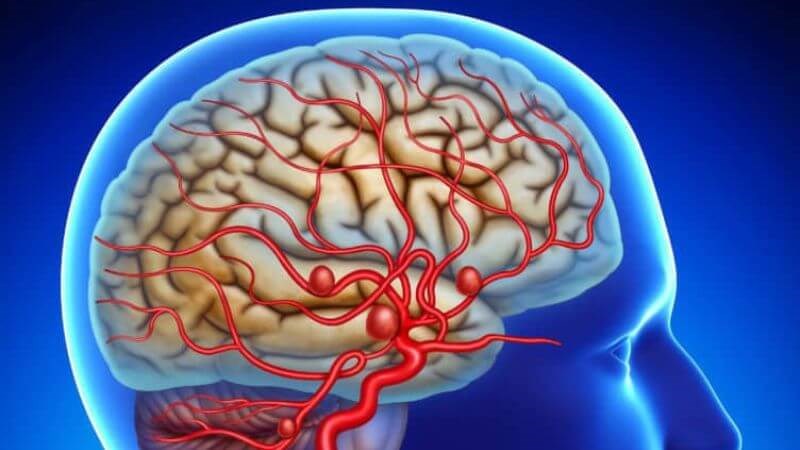
An aneurysm is a serious medical condition that often develops silently but can have life-threatening consequences if it ruptures. It occurs when a weakened area in the wall of a blood vessel bulges or balloons outward. While aneurysms can form in various parts of the body, they are most commonly found in the brain (cerebral aneurysm), the aorta (aortic aneurysm), and other major blood vessels.
One of the most dangerous aspects of an aneurysm is that it may not cause noticeable symptoms until it becomes large or ruptures. However, in some cases, the body does provide warning signs. Recognizing these symptoms early can be crucial in preventing severe complications or even saving a life.
Understanding Aneurysms
An aneurysm develops when the wall of a blood vessel becomes weakened due to factors such as high blood pressure, atherosclerosis (buildup of plaque), trauma, or genetic conditions. Over time, the pressure of blood flow can cause the weakened area to expand, forming a bulge.
If the aneurysm grows large or ruptures, it can lead to internal bleeding, stroke, or sudden death. This is why early detection and awareness of symptoms are so important.
1. Sudden and Severe Headache
One of the most well-known warning signs of a brain aneurysm—especially if it ruptures—is a sudden, intense headache often described as “the worst headache of one’s life.”
This type of headache may appear without warning and can be accompanied by other neurological symptoms. It is a medical emergency and requires immediate attention.
2. Vision Problems
Aneurysms, particularly those in the brain, can press on nearby nerves, leading to vision disturbances such as:
- Blurred or double vision
- Sensitivity to light
- Loss of vision in one eye
These symptoms may develop gradually or suddenly, depending on the size and location of the aneurysm.
3. Pain Around the Eyes or Face
Pain localized around the eyes, forehead, or face can be another warning sign. This occurs when the aneurysm presses against surrounding nerves or tissues.
The pain may be persistent or intermittent and can easily be mistaken for migraines or sinus issues.
4. Numbness or Weakness
An aneurysm can affect nerve function, leading to numbness, weakness, or paralysis on one side of the face or body. This symptom is particularly concerning because it may resemble signs of a stroke.
Any sudden weakness or loss of sensation should be treated as a medical emergency.
5. Difficulty Speaking or Confusion
Changes in speech or mental clarity may occur if the aneurysm affects areas of the brain responsible for communication and cognition.
Symptoms may include:
- Slurred speech
- Difficulty finding words
- Confusion or disorientation
These signs should never be ignored, as they may indicate serious neurological involvement.
6. Neck Pain and Stiffness
In cases where an aneurysm is leaking or has ruptured, individuals may experience neck pain or stiffness. This can result from irritation of the surrounding tissues or bleeding into areas near the brain.
This symptom often appears alongside severe headache and sensitivity to light.
7. Rapid Heart Rate and Low Blood Pressure
If an aneurysm ruptures, it can cause internal bleeding, leading to a drop in blood pressure and an increase in heart rate. This may result in dizziness, fainting, or even shock.
These symptoms indicate a critical medical emergency that requires immediate intervention.
Symptoms of Aortic Aneurysm
While brain aneurysms often present neurological symptoms, aortic aneurysms may cause different warning signs depending on their location.
Abdominal Aortic Aneurysm (AAA)
- Deep, persistent pain in the abdomen or back
- A pulsating feeling near the navel
Thoracic Aortic Aneurysm
- Chest pain or pressure
- Back pain
- Shortness of breath
- Difficulty swallowing
These symptoms may develop gradually and are sometimes mistaken for other conditions, which can delay diagnosis.

Why Symptoms Are Often Missed
Many aneurysms do not cause symptoms until they become large or rupture. Even when symptoms are present, they are often vague or resemble less serious conditions such as headaches, muscle pain, or digestive issues.
This makes awareness especially important. People at higher risk—such as those with high blood pressure, a family history of aneurysms, or smoking habits—should be particularly vigilant.
When to Seek Immediate Medical Help
An aneurysm rupture is a life-threatening emergency. Immediate medical attention is required if someone experiences:
- A sudden, severe headache
- Loss of consciousness
- Seizures
- Sudden vision problems
- Difficulty speaking or moving
Early intervention can significantly improve outcomes and reduce the risk of permanent damage.
Prevention and Risk Reduction
While not all aneurysms can be prevented, certain lifestyle changes can reduce the risk:
- Maintaining healthy blood pressure
- Avoiding smoking
- Eating a balanced diet
- Exercising regularly
- Managing cholesterol levels
- Undergoing regular health check-ups if at risk
Conclusion
Aneurysms are often silent but potentially deadly conditions. Although they may not always produce clear symptoms, the body can sometimes provide warning signs that should not be ignored.
Understanding symptoms such as severe headaches, vision problems, numbness, and unexplained pain can help individuals seek medical care in time. Awareness, combined with proactive health management, plays a vital role in preventing complications and protecting overall well-being.