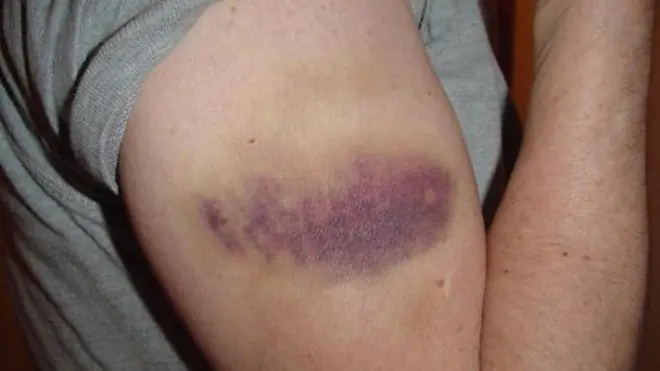
Why Do Random Bruises Appear on Your Body and Legs?
You didn’t hit anything… so why do you have bruises?
Health 30/03/2026 12:30
The liver is one of the most vital organs in the human body, responsible for over 500 essential functions. It plays a key role in detoxifying harmful substances, metabolizing nutrients, producing bile for digestion, and regulating energy storage. Despite its remarkable ability to regenerate and adapt, the liver is not invincible. Over time, certain everyday habits can place unnecessary strain on this organ, potentially leading to long-term damage.
What makes this particularly concerning is that many of these habits are part of normal daily routines. People often engage in them without realizing the cumulative impact they may have on liver health. Understanding these behaviors is the first step toward protecting and supporting this critical organ.
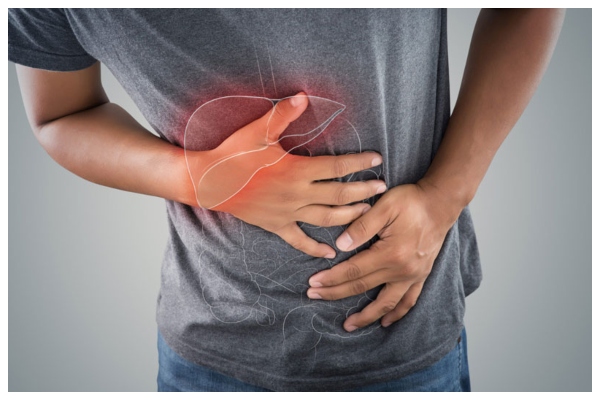
Modern diets are often filled with processed and packaged foods that are high in sugar, unhealthy fats, and artificial additives. These substances can overload the liver, forcing it to work harder to break down toxins and excess nutrients.
Frequent consumption of processed foods can lead to fat accumulation in the liver, increasing the risk of fatty liver disease. Over time, this can progress to inflammation and more serious liver conditions.
Sugar, especially in the form of fructose, is metabolized primarily in the liver. When consumed in large amounts—through sugary drinks, desserts, and snacks—the liver converts excess sugar into fat.
This process can contribute to non-alcoholic fatty liver disease (NAFLD), even in individuals who do not consume alcohol. Regularly exceeding recommended sugar intake can quietly strain the liver over time.
A sedentary lifestyle reduces the body’s ability to burn fat efficiently. This can lead to weight gain and fat buildup in the liver.
Regular physical activity helps improve metabolism, regulate blood sugar levels, and reduce fat accumulation. Without it, the liver is more likely to become overloaded and less efficient in performing its functions.
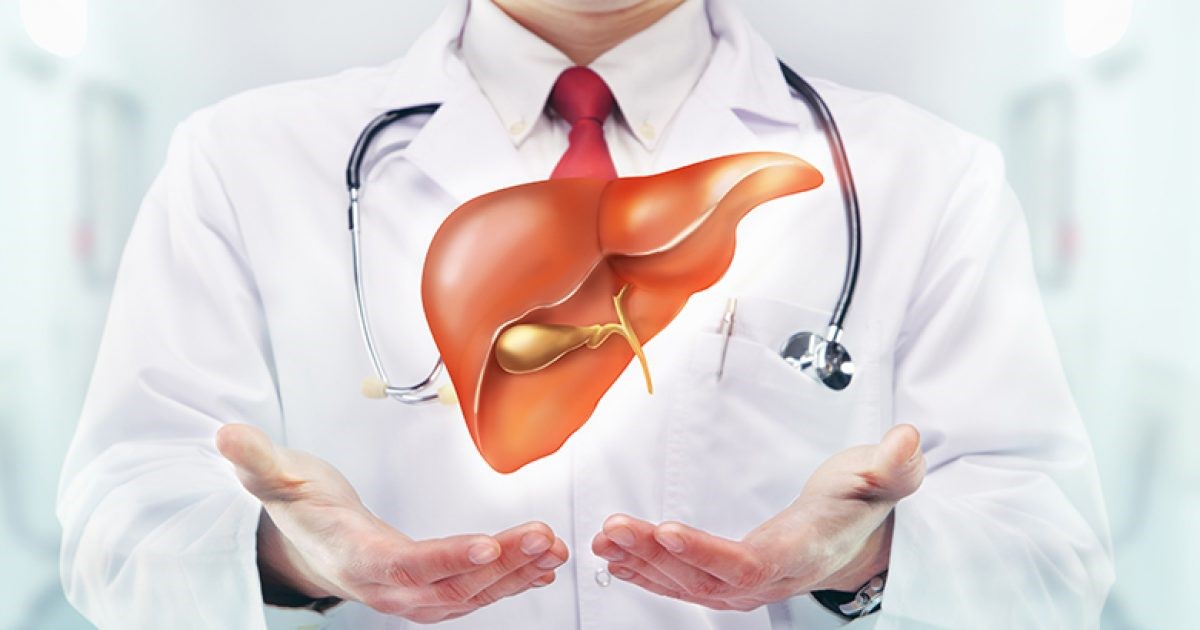
While medications are essential for treating various health conditions, excessive or improper use can be harmful to the liver. Many drugs are processed through the liver, and taking them in high doses or without proper guidance can lead to liver toxicity.
Even over-the-counter medications, such as pain relievers, can cause damage if used too frequently or inappropriately. It is important to follow dosage instructions and consult healthcare professionals when necessary.
Alcohol is one of the most well-known contributors to liver stress. When consumed, it is broken down by the liver into substances that can damage liver cells.
Regular or excessive alcohol intake can lead to conditions such as alcoholic fatty liver disease, hepatitis, and cirrhosis. Even moderate drinking, when combined with other risk factors, can increase the burden on the liver.
Water plays a crucial role in helping the liver flush out toxins and maintain proper function. Dehydration can slow down these processes, making it harder for the liver to perform its detoxification role effectively.
Drinking enough water throughout the day supports overall metabolic processes and reduces unnecessary strain on the liver.
Sleep is essential for the body’s repair and recovery processes, including those of the liver. Chronic sleep deprivation or irregular sleep patterns can disrupt metabolic functions and increase inflammation.
Over time, poor sleep may contribute to conditions that indirectly affect liver health, such as obesity and insulin resistance.
Everyday exposure to pollutants, chemicals, and toxins—whether through air, food, or household products—can increase the liver’s workload. The liver must filter and neutralize these harmful substances to protect the body.
Repeated exposure can overwhelm the liver’s detoxification capacity, potentially leading to damage.
Many liver conditions develop silently without noticeable symptoms. Skipping routine medical check-ups can delay the detection of potential issues.
Regular screenings and blood tests can help monitor liver function and identify problems early, allowing for timely intervention.
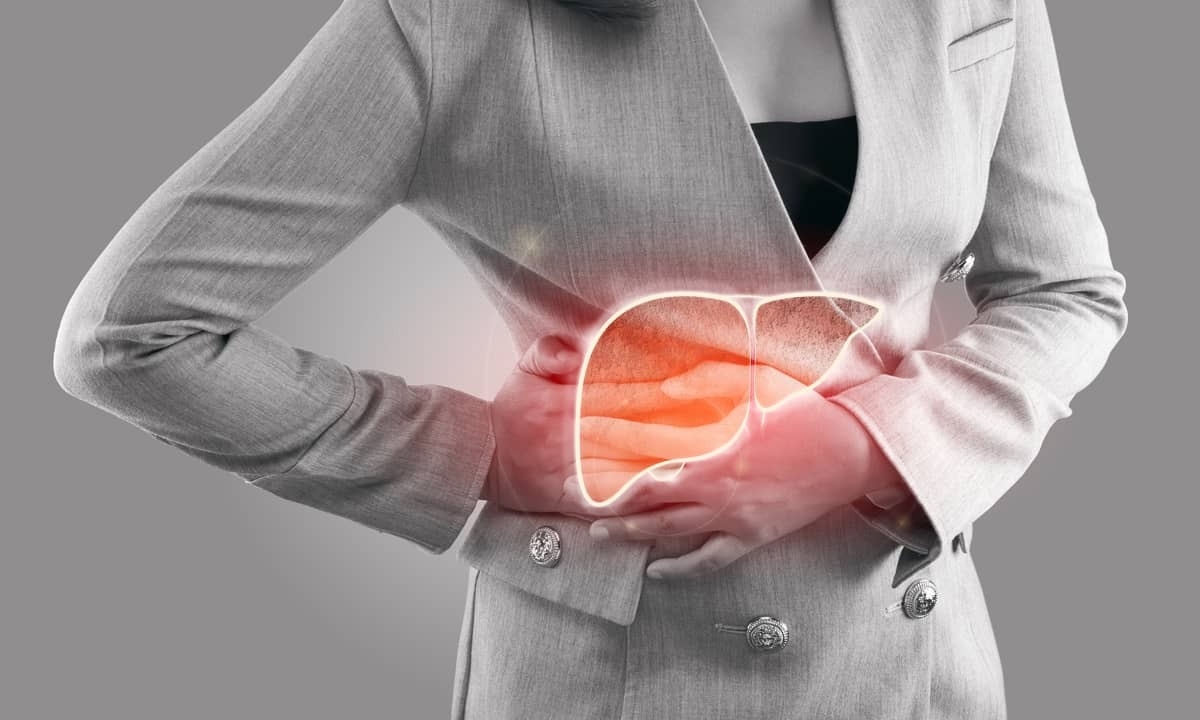
While these everyday activities can place stress on the liver, the good news is that simple lifestyle changes can significantly improve liver health:
These habits not only support the liver but also contribute to overall well-being.
The liver works tirelessly to keep the body functioning properly, yet it is often taken for granted. Many common daily activities - though seemingly harmless can gradually place stress on this vital organ.
By becoming more aware of these habits and making conscious lifestyle choices, individuals can reduce the burden on their liver and promote long-term health. Protecting the liver is not about drastic changes but about consistent, mindful decisions made every day.
You didn’t hit anything… so why do you have bruises?

Most people feel unsettled at the thought of snakes wandering too close to their balcony, garden, or home. And while there’s no plant on Earth that can guarantee 100% snake-repellent effects, there are several plants that people around the world tra

Many people think diabetes only affects blood sugar, appetite, or energy. But one of the earliest — and most overlooked — warning signs often appears right in the eyes.
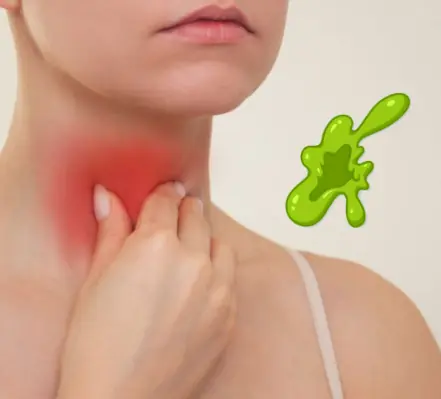
Pollen, dust mites, pet dander trigger immune response Leads to runny nose, sneezing, and constant mucus production Often worse in spring or fall

Left-Side Body Pa.in: What Might It Mean?
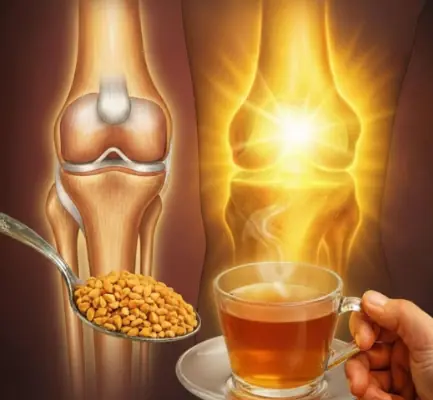
Are you tired of waking up with stiff joints, lingering inflammation, or that constant feeling of fatigue no matter how much you rest? What if you could feel lighter, more mobile, and more energetic — all with a few simple changes?
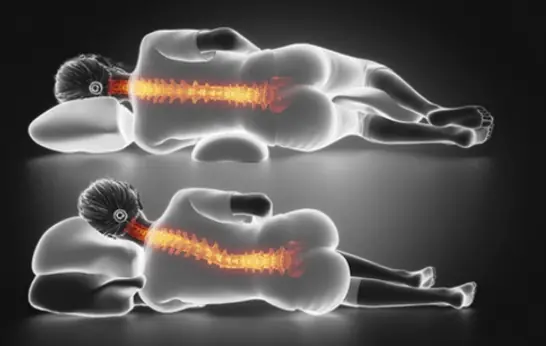
Most people don’t think twice about how they sleep. You lie down, close your eyes, and drift off — unaware that your spine might be spending 6–8 hours every night in a position that strains the neck, tightens the lower back, and gradually leads to
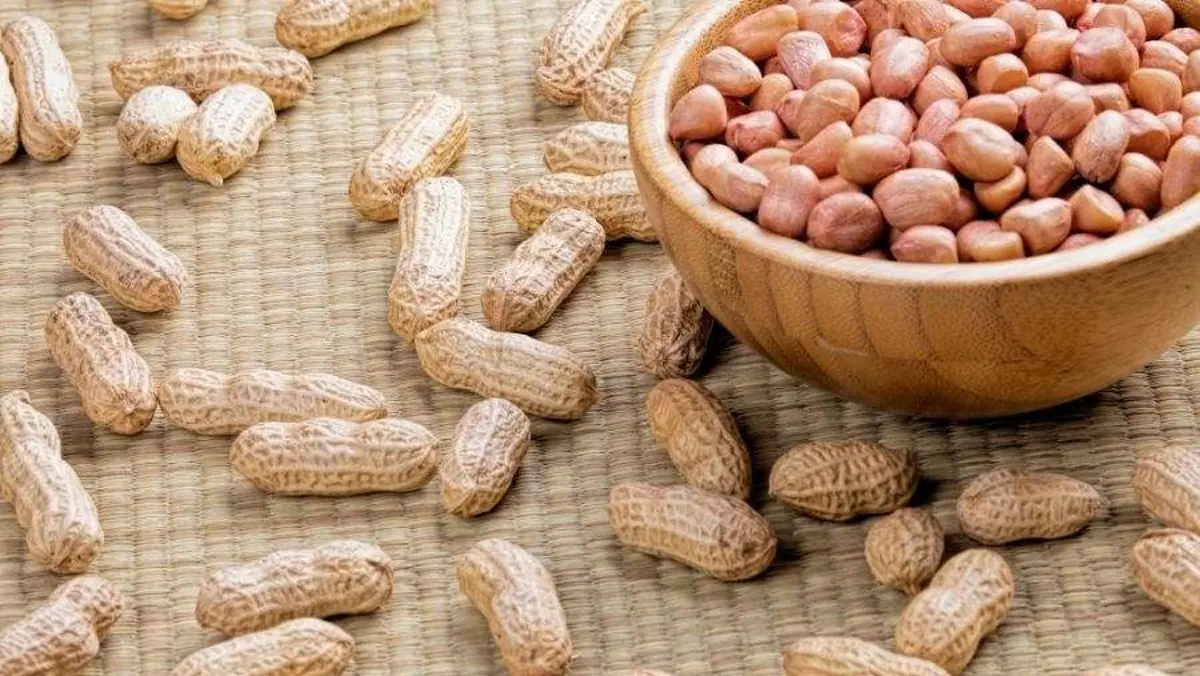
Doctors warn that consuming peanuts can result in...

In today’s fast-paced world, storing leftovers in the refrigerator has become a common habit. However, not all foods are safe to keep overnight or reheat the next day.

In recent years, health experts have been raising alarms about the increasing number of kidney disease cases linked to the consumption of bottled water and certain other popular drinks.

3 Types of Chicken Meat You Should Never Buy, No Matter How Cheap, According to a Veteran Poultry Seller

Doctors point out 6 key signs of heatstroke that are often ignored
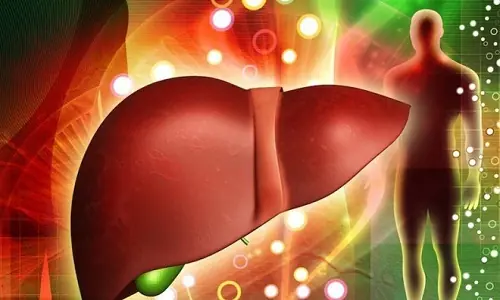
Understanding Fatty Liver Disease: Risk Factors, Warning Signs, and How to Manage It

5 raw ingredients celebrated for their remarkable health properties
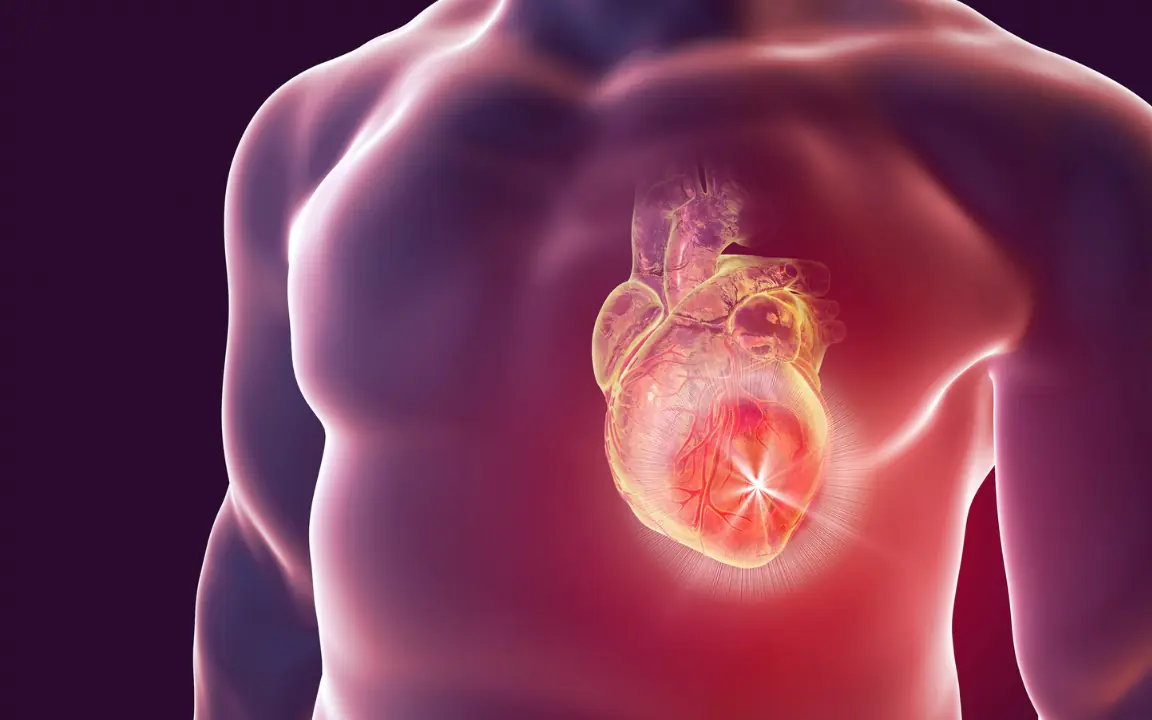
A heart attack can be preceded by warning signs weeks earlier – here are 7 to be aware of
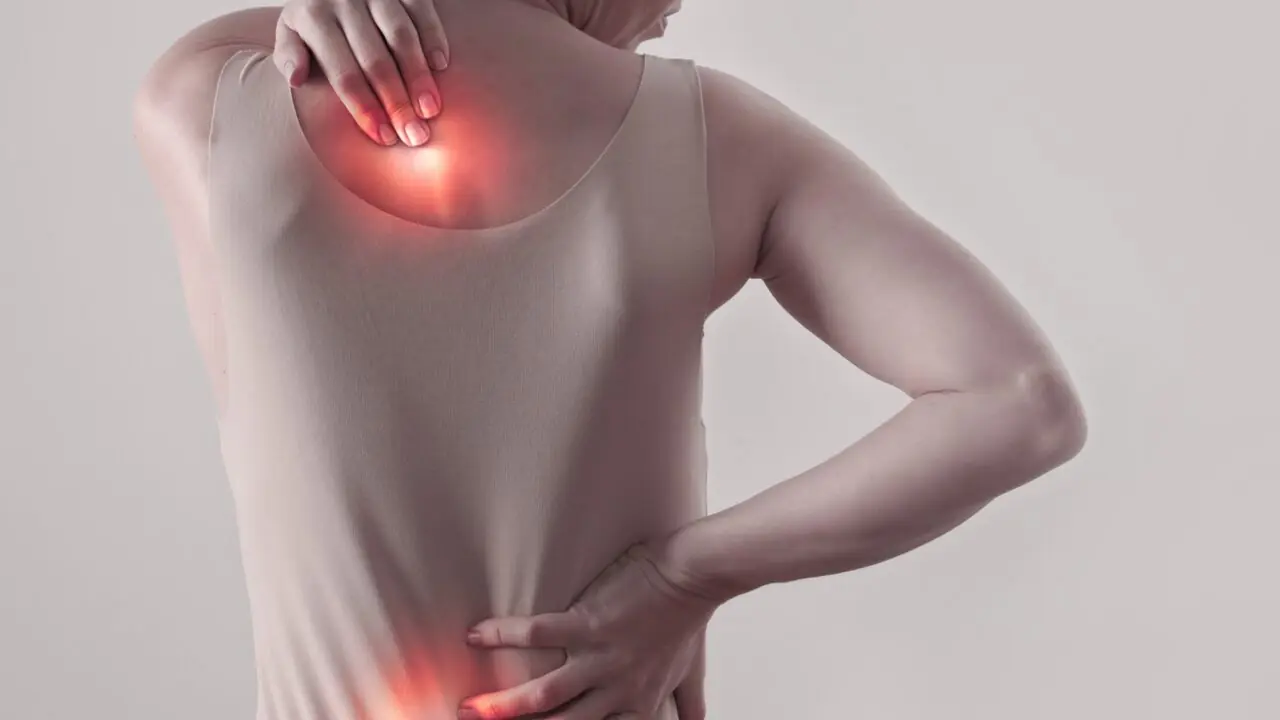
Shoulder pain after menopause is NOT normal
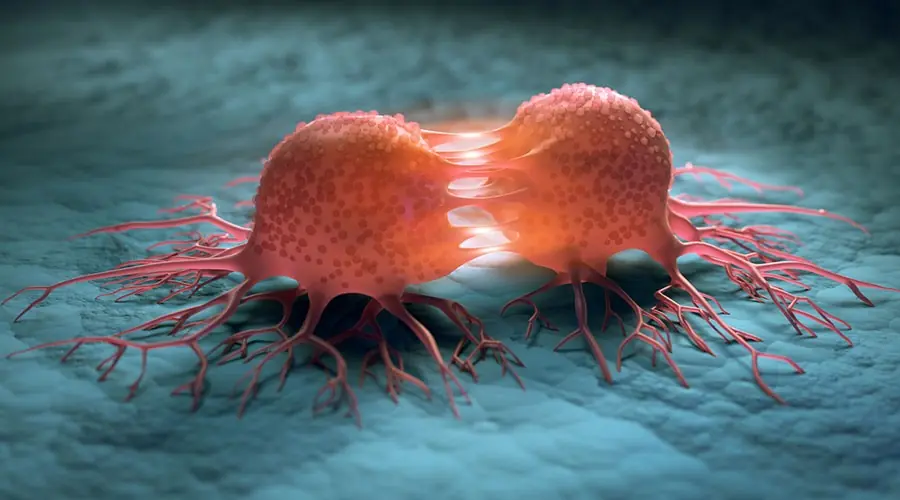
Cancer is a silent adversary, often showing subtle symptoms long before a diagnosis.

One mineral deficiency can affect your whole body
Most people feel unsettled at the thought of snakes wandering too close to their balcony, garden, or home. And while there’s no plant on Earth that can guarantee 100% snake-repellent effects, there are several plants that people around the world tra
Many people think diabetes only affects blood sugar, appetite, or energy. But one of the earliest — and most overlooked — warning signs often appears right in the eyes.
Pollen, dust mites, pet dander trigger immune response Leads to runny nose, sneezing, and constant mucus production Often worse in spring or fall
Left-Side Body Pa.in: What Might It Mean?
Are you tired of waking up with stiff joints, lingering inflammation, or that constant feeling of fatigue no matter how much you rest? What if you could feel lighter, more mobile, and more energetic — all with a few simple changes?
Most people don’t think twice about how they sleep. You lie down, close your eyes, and drift off — unaware that your spine might be spending 6–8 hours every night in a position that strains the neck, tightens the lower back, and gradually leads to
Doctors warn that consuming peanuts can result in...
In today’s fast-paced world, storing leftovers in the refrigerator has become a common habit. However, not all foods are safe to keep overnight or reheat the next day.
In recent years, health experts have been raising alarms about the increasing number of kidney disease cases linked to the consumption of bottled water and certain other popular drinks.
3 Types of Chicken Meat You Should Never Buy, No Matter How Cheap, According to a Veteran Poultry Seller
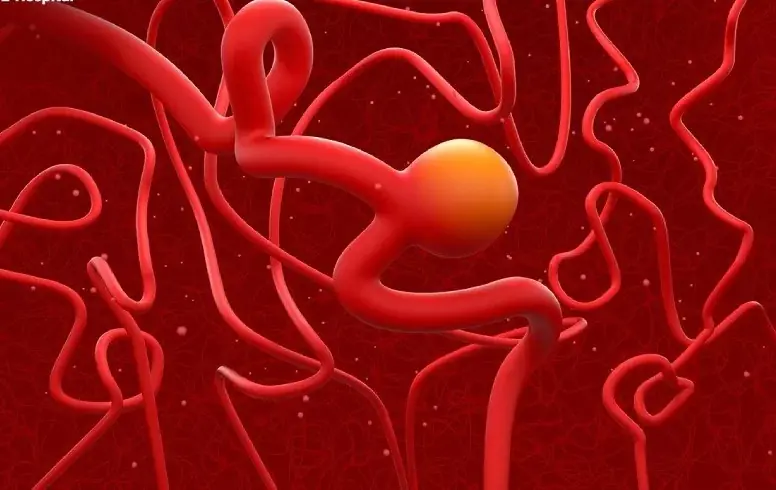
Early Warning Signs of Aneu.rysm
Doctors point out 6 key signs of heatstroke that are often ignored
Understanding Fatty Liver Disease: Risk Factors, Warning Signs, and How to Manage It
5 raw ingredients celebrated for their remarkable health properties
A heart attack can be preceded by warning signs weeks earlier – here are 7 to be aware of
Shoulder pain after menopause is NOT normal
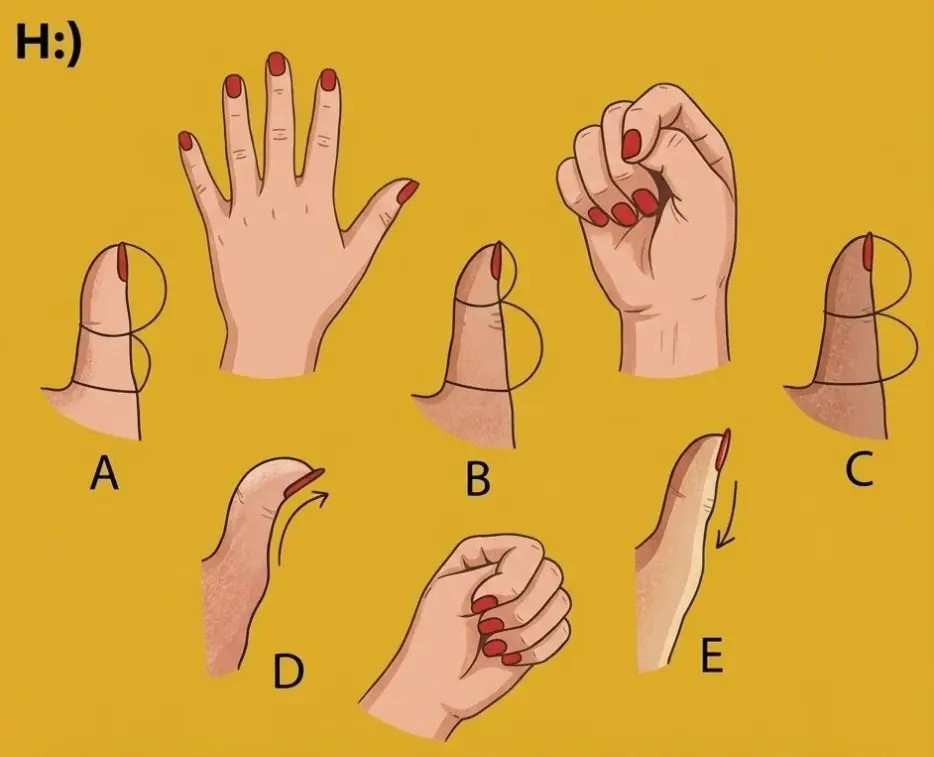
Look at your thumb… what do you see? You might be surprised by what it really means...
Cancer is a silent adversary, often showing subtle symptoms long before a diagnosis.
One mineral deficiency can affect your whole body