Across different cultures, bedtime habits vary widely. Some people prefer sleeping with heavy blankets, others keep their rooms extremely cool, and many have specific routines to help them fall asleep. In Japan, one small but interesting habit has attracted attention: many people wear socks to bed, even during warmer seasons.
At first glance, this practice might seem unnecessary or even uncomfortable. However, sleep specialists say there is a scientific explanation behind it. Wearing socks while sleeping may help the body regulate temperature and improve sleep quality.
A Cultural Habit in Japan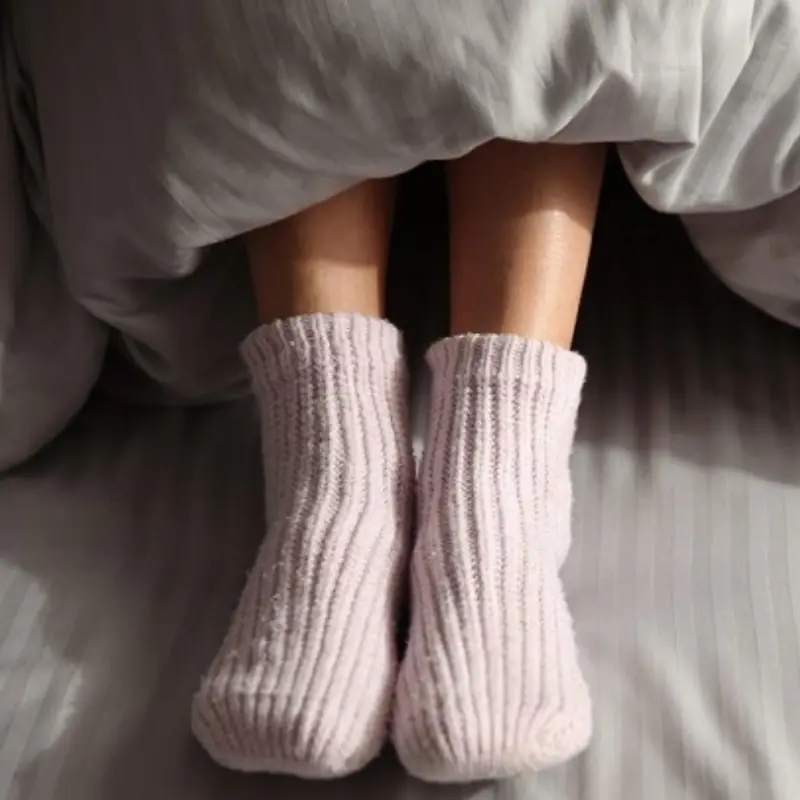
In Japan, comfort and relaxation are considered essential parts of a healthy sleep routine. Many households place importance on creating a peaceful bedtime environment. For this reason, wearing socks to bed has become a common habit, especially during colder months when keeping warm is important.
Even during summer, some Japanese people still choose to wear thin, breathable socks at night. This is not simply about warmth—it is also about helping the body reach the ideal conditions for falling asleep.
The Science Behind Wearing Socks to Bed
Sleep experts explain that body temperature plays a major role in how quickly we fall asleep. As bedtime approaches, the body naturally begins to lower its core temperature as part of its circadian rhythm.
Warming the feet can actually help this process. When feet become warm, blood vessels expand in a process known as vasodilation, which increases blood flow to the skin and helps release heat from the body. This allows the body’s core temperature to drop more efficiently, signaling the brain that it is time to sleep.
Because of this mechanism, wearing socks can sometimes make it easier for people to relax and drift off more quickly.
Falling Asleep Faster
Several studies have explored how warming the feet affects sleep. Research suggests that people who wear socks to bed may fall asleep faster and experience longer, more restful sleep compared to those who sleep barefoot.
For example, a small study found that participants who wore socks at night fell asleep more quickly and experienced fewer awakenings during sleep.
Another scientific study also reported that warming the feet with socks shortened the time it took participants to fall asleep and improved overall sleep quality.
These findings help explain why such a simple habit may have gained popularity in countries like Japan.
More Than Just Warm Feet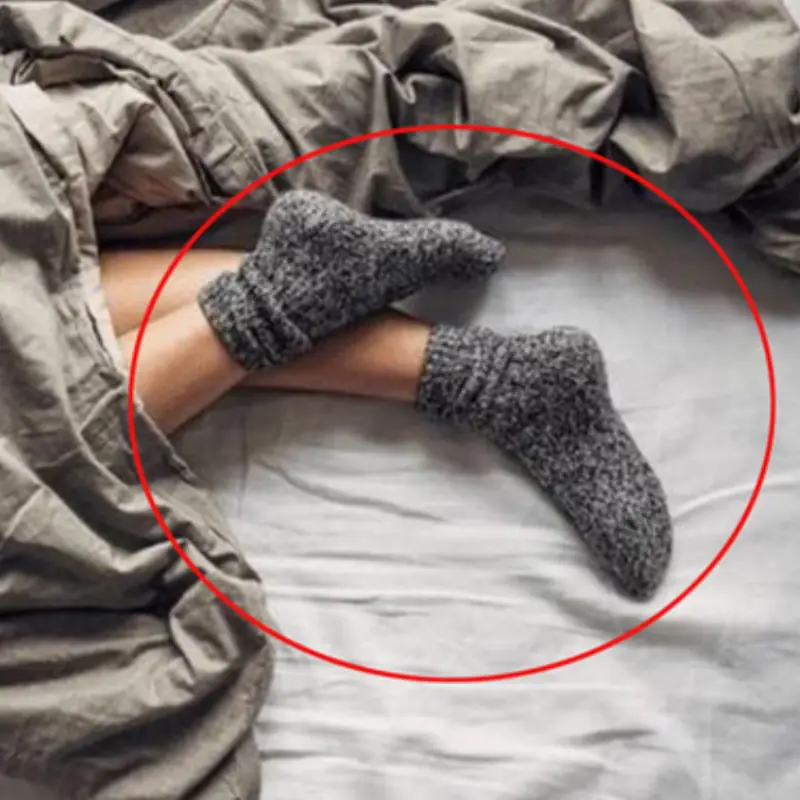
Beyond temperature regulation, wearing socks to bed may offer additional benefits.
Warm feet can help the body feel relaxed, which may reduce stress before bedtime. Some people also find that wearing soft socks provides a sense of comfort and calmness, similar to wrapping up in a cozy blanket.
In addition, improved blood circulation in the feet may help people who experience cold extremities at night. Doctors say that warming cold feet can adjust the body’s temperature balance and support a smoother transition into sleep.
Not Everyone Likes Sleeping With Socks
Despite these potential benefits, sleeping with socks is not for everyone. Some people simply feel more comfortable sleeping barefoot. Personal comfort, room temperature, and individual sleep habits all influence whether this technique works well.
In warm climates or during hot weather, wearing thick socks could cause discomfort or sweating. For this reason, experts suggest choosing lightweight, breathable materials if you want to try this method.
Cotton, bamboo, or moisture-wicking fabrics are often recommended because they allow the skin to breathe while still providing gentle warmth.
A Simple Sleep Trick
The idea of wearing socks to bed may seem surprisingly simple, but sometimes small habits can have a noticeable effect on sleep quality. Unlike expensive sleep gadgets or complicated routines, this method requires little effort.
If you often struggle to fall asleep, keeping your feet warm with a pair of comfortable socks might be worth trying. Combined with other healthy sleep habits—such as maintaining a consistent bedtime and keeping your room cool—it may help improve your overall sleep experience.
Final Thoughts
Japan’s tradition of wearing socks to bed highlights how cultural habits sometimes align with scientific understanding. What may appear unusual at first can actually have a practical explanation rooted in how the human body works.
While it may not be the perfect solution for everyone, the simple act of wearing socks at night could help some people fall asleep faster and enjoy a more restful night’s sleep.