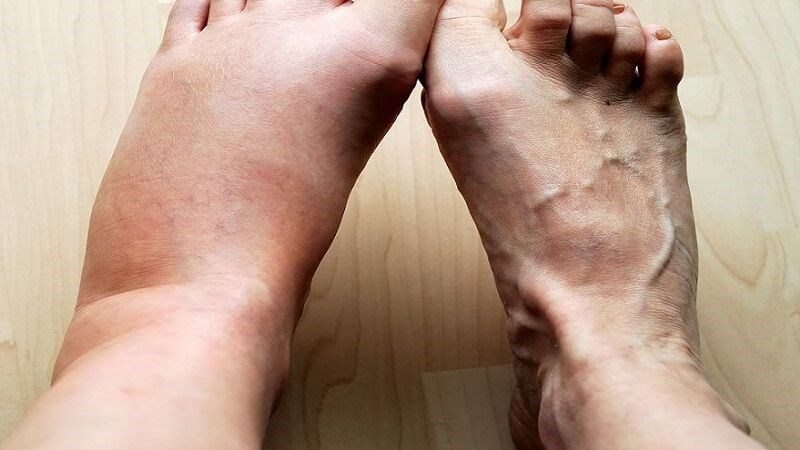
If You Have High Blood Pressure, a History of Stroke, or Varicose Veins, Start Doing These 5 Things Today
Conditions like high blood pressure, previous stroke, and varicose veins share a common thread: circulation under strain. While each condition has different causes and treatments, daily habits play a powerful role in supporting blood flow, reducing pressure on vessels, and preventing complications.
These five actions are not cures and do not replace prescribed treatment. However, when practiced consistently and alongside medical care, they can significantly support vascular health and overall well-being.
1. Move Your Body—Gently, but Every Day
Regular movement is one of the most effective ways to improve circulation and reduce blood pressure.
Benefits of daily activity include:
-
Improved blood flow
-
Reduced venous pooling in the legs
-
Lower resting blood pressure
-
Better oxygen delivery to tissues
You do not need intense workouts. Walking, cycling, swimming, and light stretching are excellent choices—especially for people with varicose veins or post-stroke recovery. Aim for 30 minutes most days, broken into shorter sessions if needed.
2. Elevate Your Legs and Avoid Long Periods of Sitting
For people with varicose veins or circulation issues, gravity works against blood return from the legs.
Helpful habits:
-
Elevate legs above heart level for 10–20 minutes daily
-
Avoid sitting or standing still for long periods
-
Flex ankles and calves when seated
-
Take short movement breaks every hour
These actions help reduce swelling, ease vein pressure, and support venous return.
3. Eat to Support Your Blood Vessels
Diet has a direct impact on blood pressure, vessel integrity, and inflammation.
Focus on:
-
Fruits and vegetables (rich in potassium and antioxidants)
-
Whole grains (fiber supports vascular health)
-
Lean proteins and fatty fish (omega-3s reduce inflammation)
-
Adequate hydration
Limit:
-
Excess salt
-
Ultra-processed foods
-
Added sugars
-
Trans fats
A vessel-friendly diet supports elasticity of blood vessels, helping them respond better to pressure changes.
4. Manage Blood Pressure—Even When You Feel “Fine”
High blood pressure often causes no symptoms, yet it silently damages arteries over time.
Key steps:
-
Monitor blood pressure regularly
-
Take prescribed medications consistently
-
Avoid stopping treatment without medical advice
-
Manage stress through breathing, meditation, or gentle activity
For people with a prior stroke, blood pressure control is one of the most important protective measures against recurrence.
5. Support Vein Health and Circulation
If you have varicose veins or leg discomfort, targeted support can help.
Consider:
-
Compression stockings (as advised by a professional)
-
Maintaining a healthy weight
-
Avoiding tight clothing that restricts blood flow
-
Keeping legs moisturized to protect skin integrity
-
Addressing leg pain or skin changes early
Healthy veins reduce the workload on the heart and lower the risk of complications such as ulcers or clots.
Why These Actions Matter Together
Circulatory conditions rarely exist in isolation. High blood pressure strains arteries, weakened veins struggle against gravity, and reduced circulation increases the risk of clots and tissue damage.
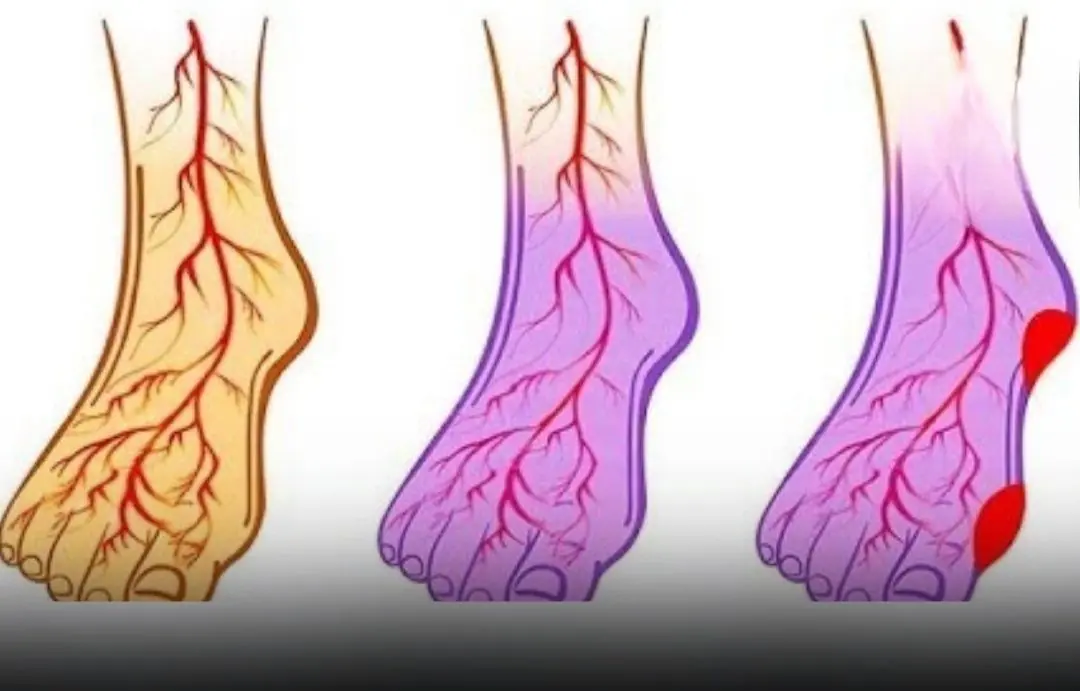
When combined, these five actions help:
-
Reduce vessel pressure
-
Improve blood flow efficiency
-
Lower inflammation
-
Support recovery and prevention
Small, daily habits compound into long-term vascular protection.