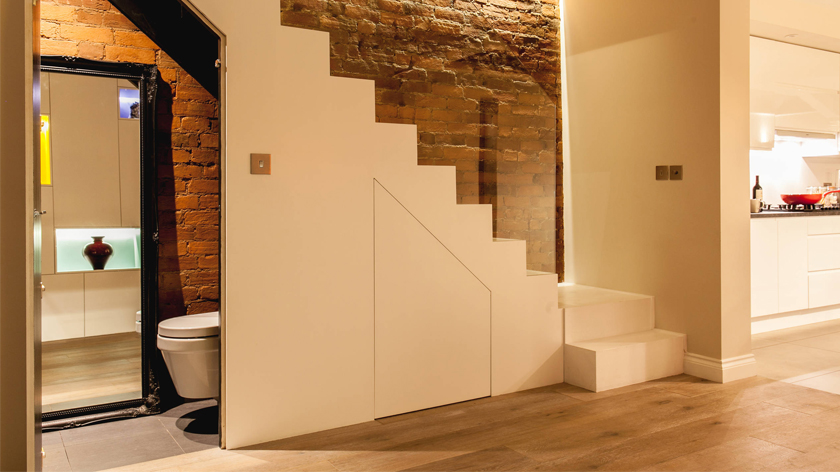
In many modern homes, especially those with limited space, homeowners often try to use every available corner efficiently. One common idea is to install a small bathroom or toilet under the staircase. At first glance, this may seem like a practical solution because the area beneath the stairs is often unused and can be transformed into a functional space.
However, architects, interior designers, and building experts often advise caution when considering this design choice. While it may appear convenient, there are several practical, structural, and comfort-related reasons why placing a toilet under the stairs may not always be the best option.
Understanding these potential concerns can help homeowners make better decisions when designing or renovating their homes.
Limited Space and Comfort
One of the most obvious challenges of installing a toilet under the stairs is the limited space available.
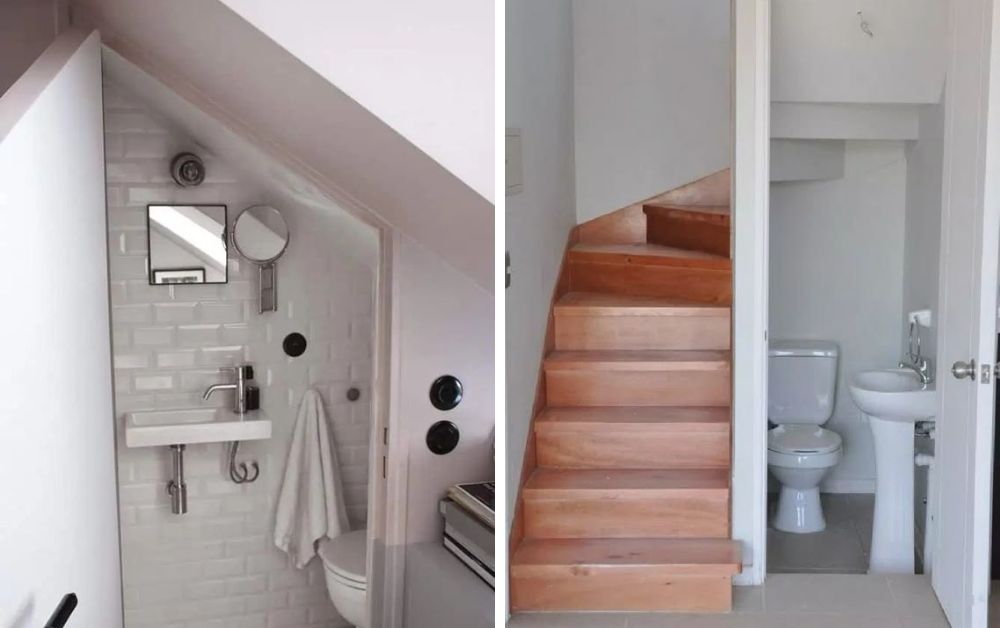
The structure of a staircase naturally slopes downward, which means the ceiling height becomes lower toward one side of the room. This can make the space uncomfortable for many people to use.
Problems related to limited space may include:
-
Insufficient headroom
-
Difficulty moving inside the bathroom
-
Limited space for ventilation and fixtures
-
Restricted placement of plumbing equipment
For taller individuals, using a bathroom with a sloped ceiling may feel cramped and inconvenient. Comfort is an important factor in bathroom design, and inadequate space can reduce usability.
Ventilation Challenges
Bathrooms require proper ventilation to prevent moisture buildup, odors, and mold growth. However, bathrooms located under staircases may lack access to windows or natural airflow.
Without sufficient ventilation, several issues may occur:
-
Humidity accumulation
-
Mold and mildew development
-
Unpleasant odors
-
Poor indoor air quality
Installing mechanical ventilation systems such as exhaust fans can help reduce these problems, but the confined space under stairs may still limit airflow compared to larger bathrooms.
Plumbing Difficulties
Another important consideration is plumbing. The location under the stairs may not always be ideal for installing water supply lines, drainage pipes, and sewage systems.
Plumbing complications can include:
-
Limited access to pipes
-
Difficulty installing drainage slopes
-
Increased installation costs
-
Challenges in performing future repairs
If plumbing systems are not installed correctly, it may lead to leaks, clogs, or maintenance difficulties later.
Because of these potential complications, careful planning is required when considering a bathroom under the staircase.
Structural Considerations
Staircases are structural elements of a home, designed to support weight and maintain stability. Installing plumbing fixtures, cutting walls, or altering the structure under the stairs may affect the integrity of the staircase if not done properly.
Professional assessment is often required to ensure that construction modifications do not compromise the building’s safety.
Structural concerns may include:
-
Reduced support for the staircase
-
Risk of damage during plumbing installation
-
Difficulty reinforcing the structure if needed
Consulting with an experienced contractor or structural engineer is essential before making such modifications.
Noise and Privacy Issues
Bathrooms located under staircases are often positioned near high-traffic areas such as living rooms, hallways, or entryways. This can create privacy and noise concerns.
For example:
-
Plumbing sounds may be easily heard in nearby rooms
-
Lack of sound insulation can reduce privacy
-
Guests may feel uncomfortable using a bathroom in a very exposed location
Proper soundproofing can reduce some of these issues, but limited space under the stairs may make full sound insulation difficult.
Hygiene and Maintenance Concerns
Because under-stair spaces are typically compact, cleaning and maintaining a bathroom in that area may be more challenging.
Tight spaces can make it difficult to access corners, pipes, and fixtures. Over time, this may increase the risk of dirt accumulation, moisture buildup, and maintenance issues.
Ensuring easy access for cleaning and repairs is an important aspect of bathroom design that should not be overlooked.
Design Limitations
Bathrooms under stairs often face design limitations due to their unusual shape and restricted dimensions.
It can be difficult to include all necessary features such as:
-
Proper sink placement
-
Adequate storage space
-
Comfortable toilet positioning
-
Accessible lighting
Design compromises may result in a bathroom that feels awkward or inconvenient to use.
For homeowners who prioritize aesthetics and comfort, these limitations can reduce the overall appeal of the space.
When It Can Work
Although there are challenges, installing a toilet under the stairs is not always impossible. In some homes, with proper planning and design, the space can be used effectively.
Successful installations often include:
-
Adequate ceiling height
-
Proper ventilation systems
-
Professional plumbing installation
-
Careful structural assessment
In these cases, the area may function well as a small guest bathroom or powder room.
However, careful planning is essential to avoid the problems mentioned earlier.
Alternative Uses for the Space Under the Stairs
If installing a bathroom under the stairs does not seem practical, the area can still be used creatively.
Common alternative uses include:
-
Storage cabinets or shelves
-
Small home office space
-
Reading nook
-
Shoe storage or closet
-
Decorative display area
These alternatives can maximize the use of space without introducing the complications associated with plumbing and ventilation.

Final Thoughts
Using space efficiently is an important part of modern home design, especially in smaller houses. While installing a toilet under the stairs may seem like a smart way to maximize unused space, it comes with several potential challenges.
Limited headroom, ventilation issues, plumbing complications, structural concerns, and privacy considerations are all important factors to evaluate before deciding on this design.
By carefully assessing these aspects and consulting with professionals, homeowners can determine whether building a bathroom under the stairs is truly the best option for their home.
Sometimes, choosing a different use for the space may provide greater comfort, convenience, and long-term value.