
6 Common Foods You Should Avoid Eating With Coffee
6 Foods You Might Want to Avoid When Drinking Coffee
Health 12/03/2026 17:38
Stroke is one of the leading causes of serious health complications worldwide. It occurs when the blood supply to part of the brain is interrupted or reduced, preventing brain tissue from receiving oxygen and nutrients. While medical care and genetics play important roles, lifestyle choices—especially diet—can significantly influence the risk of stroke.
Research has shown that a balanced diet rich in certain nutrients may help support heart and blood vessel health. Since strokes are often related to conditions such as high blood pressure, high cholesterol, and inflammation, choosing foods that promote cardiovascular health may contribute to lowering risk.
Although no food can guarantee complete protection from stroke, incorporating nutrient-dense foods into daily meals can help support overall health. Below are ten foods that are often recommended as part of a diet that supports stroke prevention.

Leafy greens such as spinach, kale, and Swiss chard are among the most nutrient-rich foods available. They contain high levels of vitamins, minerals, and antioxidants that support cardiovascular health.
These vegetables are especially rich in folate, potassium, and dietary nitrates. These nutrients may help support healthy blood pressure levels and improve circulation.
Adding leafy greens to salads, soups, or smoothies is an easy way to increase daily vegetable intake.
Fatty fish such as salmon, mackerel, and sardines are excellent sources of omega-3 fatty acids. Omega-3 fats are known for their role in supporting heart and blood vessel health.
These healthy fats may help:
Reduce inflammation
Support healthy cholesterol levels
Improve blood vessel function
Consuming fish several times per week is often recommended as part of a heart-friendly diet.
Whole grains such as oats, brown rice, quinoa, and whole wheat contain fiber and beneficial plant compounds that support heart health.
Dietary fiber helps maintain healthy cholesterol levels and supports stable blood sugar levels. Replacing refined grains with whole grains may contribute to improved cardiovascular health.
Examples of simple whole grain choices include oatmeal for breakfast or brown rice as a side dish.
Berries such as blueberries, strawberries, and raspberries are rich in antioxidants and flavonoids. These compounds help protect blood vessels from oxidative stress and inflammation.
Some studies suggest that regular berry consumption may support healthy blood pressure and circulation.
Berries can be enjoyed fresh, frozen, or added to yogurt and smoothies.
Nuts and seeds are nutrient-dense foods that provide healthy fats, fiber, protein, and important minerals.
Almonds, walnuts, flaxseeds, and chia seeds are particularly beneficial because they contain omega-3 fatty acids and antioxidants.
Regular but moderate consumption of nuts may support heart health and help maintain balanced cholesterol levels.
Avocados are known for their high content of monounsaturated fats, which support cardiovascular health. These healthy fats may help improve cholesterol balance by increasing beneficial HDL cholesterol.
Avocados are also rich in potassium, a mineral that helps regulate blood pressure.
They can be added to salads, sandwiches, or blended into smoothies.
Beans, lentils, chickpeas, and other legumes are excellent plant-based sources of protein, fiber, and minerals.
Their high fiber content helps support healthy cholesterol levels and improves digestive health. Because they are naturally low in fat and rich in nutrients, legumes are often recommended as part of a balanced diet.
They can be included in soups, salads, stews, or plant-based meals.

Tomatoes are rich in lycopene, an antioxidant associated with cardiovascular health. Lycopene helps protect cells and blood vessels from oxidative stress.
Interestingly, cooked tomatoes—such as those in sauces and soups—often provide more easily absorbed lycopene than raw tomatoes.
Including tomatoes regularly in meals may support overall heart health.
Citrus fruits such as oranges, lemons, and grapefruits provide vitamin C, fiber, and beneficial plant compounds.
These nutrients may support blood vessel health and help maintain healthy circulation. Vitamin C also contributes to the protection of cells from oxidative stress.
Fresh citrus fruits can be eaten as snacks or added to salads and beverages.
Olive oil is a key component of the well-known Mediterranean diet, which is often associated with heart health. It contains monounsaturated fats and antioxidants that support healthy blood vessels.
Using olive oil instead of saturated fats such as butter may help maintain healthy cholesterol levels and reduce inflammation.
Olive oil is commonly used in salad dressings, cooking, and drizzling over vegetables.
While nutrition plays a major role in health, stroke prevention involves multiple lifestyle factors. A comprehensive approach includes:
Maintaining a healthy diet
Exercising regularly
Controlling blood pressure
Avoiding smoking
Limiting excessive alcohol consumption
These habits work together to support cardiovascular health and reduce the likelihood of stroke.
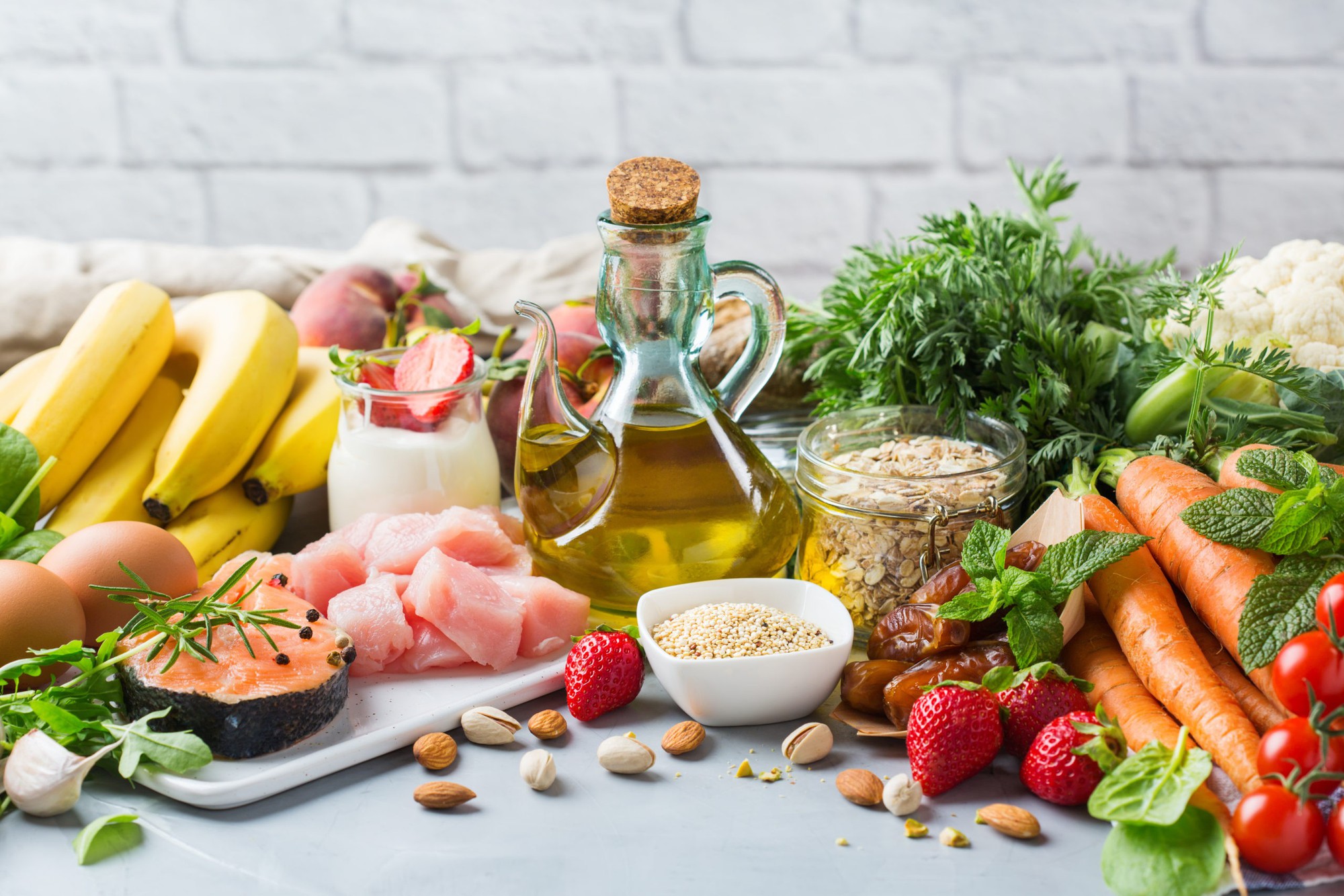
Stroke prevention involves many factors, but diet is one of the most powerful tools individuals can control. Foods such as leafy greens, fatty fish, whole grains, berries, and nuts provide nutrients that support heart and blood vessel health.
Including a variety of these foods in daily meals may contribute to maintaining healthy blood pressure, improving circulation, and supporting overall wellbeing. By making thoughtful dietary choices and adopting healthy lifestyle habits, individuals can take meaningful steps toward protecting their long-term health.
6 Foods You Might Want to Avoid When Drinking Coffee

Waking Up with Dry Mouth and Thirst at Night? It Could Be a Sign of These 5 Conditions

10 Morning Changes in Your Body That Shouldn’t Be Ignored

7 Things That Happen to Your Body When You Eat Bananas Daily

10 Nighttime Benefits of Drinking Ginger Tea Before Sleep
Why Chayote Squash Is So Healthy: 7 Powerful Benefits

If Your Body Shows These Symptoms, Your Kidneys May Be Affected

Struggling with High Blood Pressure or Varicose Veins? Start with These 5 Tips

What Happens to Your Body If You Wear Socks to Bed Every Night?
One of the Most Common Vegetables, Yet Surprisingly Nutritious

Doctors Caution Against These 4 Common Fruits Linked to Cancer Risks

Diabetes does not always announce itself loudly.
Be sure to watch for these signs.

What could be the reason my ear suddenly feels warm or hot out of nowhere?
These 3 Vegetables May Raise Ca:ncer Risk
These 10 Symptoms Could Mean Your Stress Hormone Is Out of Control

5 Types of People Who Should Not Eat Eggs for Breakfast

6 Warning Signs the Body May Show About a Year Before Death

6 Foods You Might Want to Avoid When Drinking Coffee
Waking Up with Dry Mouth and Thirst at Night? It Could Be a Sign of These 5 Conditions

The 2-Minute Military Sleep Method Many People Use to Fall Asleep Faster
10 Morning Changes in Your Body That Shouldn’t Be Ignored
7 Things That Happen to Your Body When You Eat Bananas Daily
10 Nighttime Benefits of Drinking Ginger Tea Before Sleep
Why Chayote Squash Is So Healthy: 7 Powerful Benefits

The Unexpected Purpose of a Clothespin Placed on a Shower Head
If Your Body Shows These Symptoms, Your Kidneys May Be Affected
Struggling with High Blood Pressure or Varicose Veins? Start with These 5 Tips
What Happens to Your Body If You Wear Socks to Bed Every Night?
One of the Most Common Vegetables, Yet Surprisingly Nutritious
Doctors Caution Against These 4 Common Fruits Linked to Cancer Risks

Garlic Skins: The Hidden Benefits Many People Wish They Knew Sooner
A Clever Home Trick Using Lemon and Charcoal to Save Money

Teeth Grinding at Night: Could It Be a Sign of a Health Issue?

The Interesting Reason Flight Attendants May Carry Bananas on the Plane

Your Electric Kettle May Work Better After This 1-Minute Hack
Diabetes does not always announce itself loudly.