
The Worst Mistake When You Wake Up at Night: Doctors Reveal the One Thing You Should Never Do
Waking up in the middle of the night is more common than many people realize. Stress, noise, a full bladder, or simply natural sleep cycles can cause brief awakenings during the night.
However, sleep experts say that how you react after waking up can determine whether you quickly fall back asleep or stay awake for hours. According to doctors, one common habit may be quietly sabotaging your sleep.
The One Thing You Should Avoid: Checking the Time
Many people instinctively reach for their phone or glance at the clock when they wake up at night. But experts say this is one of the worst things you can do.
Sleep specialists warn that checking the time can increase anxiety and make it harder to fall back asleep. Once you see the time, your brain often begins calculating how many hours of sleep remain before morning. That mental stress can keep you awake even longer.
Doctors explain that worrying about lost sleep can trigger a cycle of stress and alertness that prevents your mind from relaxing.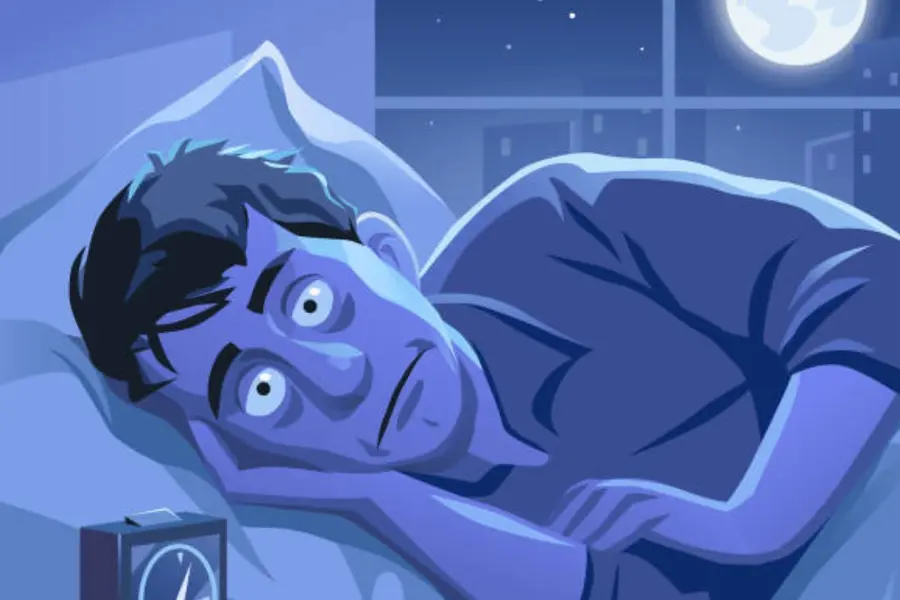
Why Looking at Your Phone Makes It Worse
Many people don’t just check the time—they also start scrolling through their phones.
Experts warn that screen exposure in the middle of the night can seriously disrupt sleep. The blue light emitted by smartphones and tablets suppresses melatonin, the hormone that helps regulate sleep.
At the same time, the content on social media, news, or videos can stimulate the brain and make it even harder to return to sleep.
Why Waking Up at Night Is Actually Normal
Sleep researchers say waking briefly during the night is a natural part of the sleep cycle. In fact, adults may wake multiple times without remembering it.
If the awakening lasts only a short time, most people quickly drift back to sleep. The real problem occurs when anxiety or stimulation keeps the brain alert.
Experts emphasize that staying calm is key. Panic or frustration can make the body release stress hormones that delay sleep even further.
What You Should Do Instead
If you wake up and cannot fall back asleep, doctors recommend a few simple strategies:
Stay Calm and Relax
Avoid worrying about how much sleep you’re losing. Stress can make it more difficult to return to sleep.
Avoid Screens
Do not look at your phone, tablet, or computer during the night. The light and mental stimulation will keep you awake.
Get Out of Bed If Necessary
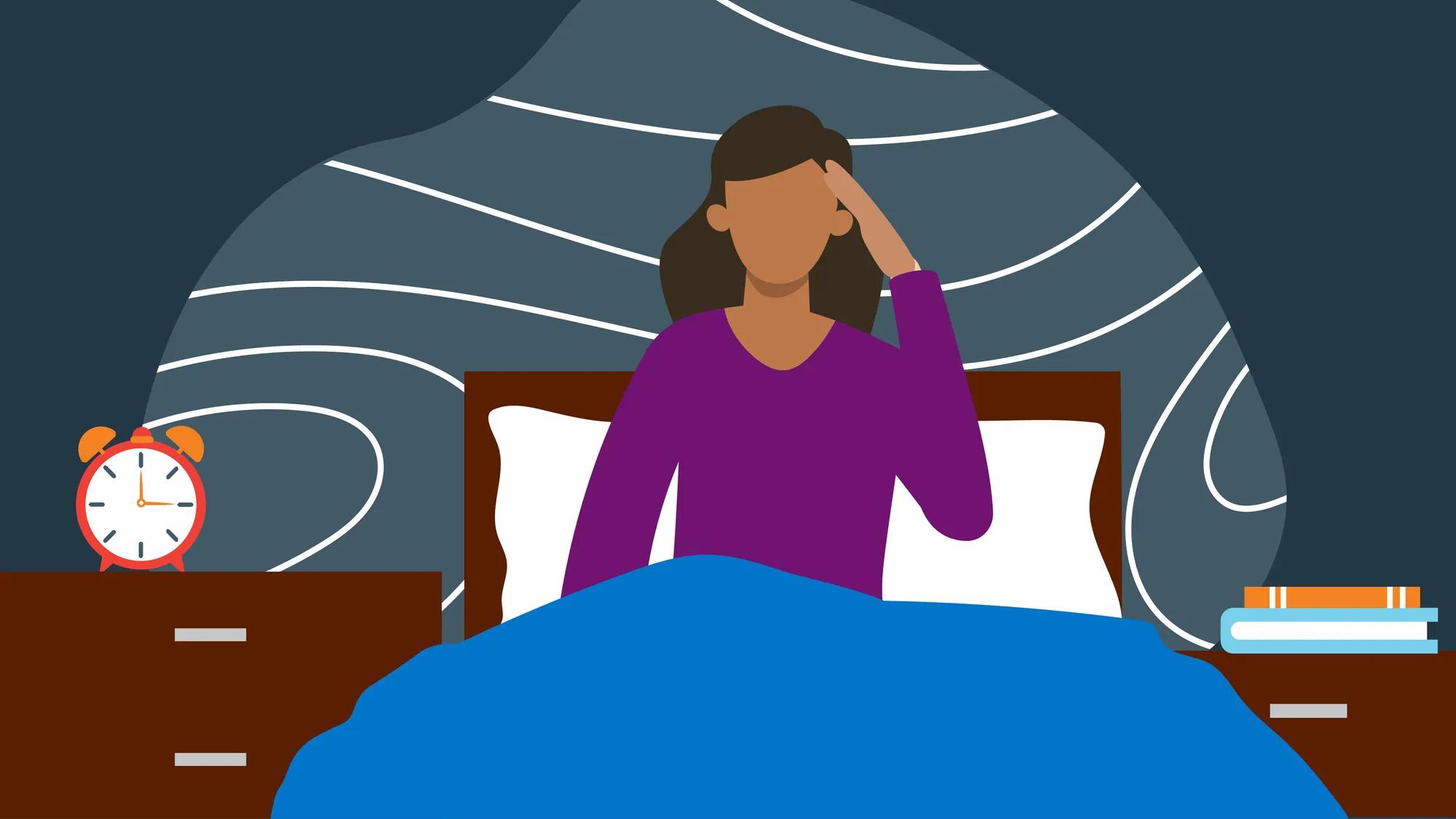
If you cannot fall back asleep after about 15–20 minutes, experts suggest getting out of bed temporarily and doing something calm such as reading or listening to relaxing music.
Return to bed only when you begin to feel sleepy again.
Protecting Your Sleep Habits
Doctors also recommend maintaining healthy sleep habits to reduce nighttime awakenings:
-
Avoid caffeine late in the day
-
Keep electronic devices out of the bedroom
-
Follow a consistent sleep schedule
-
Create a relaxing bedtime routine
Good sleep hygiene can significantly improve the quality of your rest.
When to See a Doctor
Occasional sleep interruptions are normal. However, if you frequently wake up during the night and cannot fall back asleep, it may indicate an underlying sleep disorder or health issue.
In such cases, medical advice can help identify the cause and improve sleep quality.