Hyperthyroidism is a condition in which the thyroid gland becomes overactive and produces excessive amounts of thyroid hormones. These hormones regulate many essential functions in the body, including metabolism, heart rate, and temperature control. When their levels become too high, the body can enter a state of overdrive - leading to a range of noticeable and sometimes alarming symptoms.
Recognizing the early warning signs is crucial for timely diagnosis and treatment. Below are seven key symptoms of hyperthyroidism, with sign number 2 being especially important.
1. Unexplained Weight Loss
One of the most common signs of hyperthyroidism is losing weight without trying. Even if your appetite remains the same—or even increases - you may notice the number on the scale dropping.
This happens because an overactive thyroid speeds up your metabolism, causing your body to burn calories more quickly than usual.

2. Rapid or Irregular Heartbeat (Especially Important)
This is one of the most critical signs to watch for. Hyperthyroidism can significantly affect your cardiovascular system, leading to:
- A fast resting heart rate (tachycardia)
- Palpitations (a pounding or fluttering feeling in the chest)
- Irregular heart rhythms (such as arrhythmia)
In some cases, this can increase the risk of more serious heart complications if left untreated. If you frequently feel your heart racing or beating unevenly—even when at rest—it’s important to seek medical evaluation promptly.
3. Nervousness, Anxiety, and Irritability
Excess thyroid hormones can overstimulate your nervous system, making you feel constantly “on edge.”
You may experience:
- Increased anxiety
- Irritability or mood swings
- Difficulty relaxing
These emotional changes are often mistaken for stress or psychological issues, but they may have a physical cause.
4. Increased Sweating and Heat Sensitivity
People with hyperthyroidism often feel unusually warm, even in cool environments. You may notice:
- Excessive sweating
- Sensitivity to heat
- Flushed or warm skin
This occurs because your body’s metabolism is elevated, producing more internal heat.
5. Tremors in Hands and Fingers
A subtle but telling sign of hyperthyroidism is a fine tremor, usually noticeable in the hands or fingers.
This may appear as:
- Slight shaking when holding objects
- Difficulty keeping hands steady
Although mild at first, it can become more noticeable over time.
6. Changes in Sleep Patterns
Hyperthyroidism can interfere with your ability to sleep properly. Even if you feel physically tired, your body may remain in an overstimulated state.
Common sleep-related issues include:
- Difficulty falling asleep
- Frequent waking during the night
- Feeling restless or unrefreshed in the morning

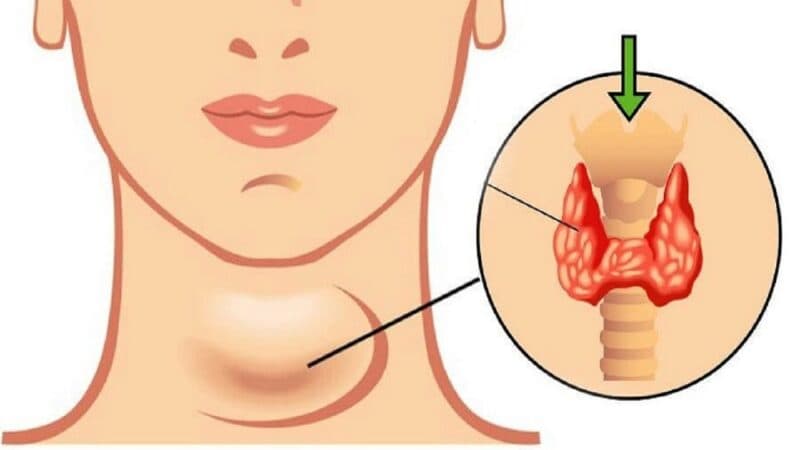
7. Enlarged Thyroid (Goiter) or Neck Swelling
In some cases, hyperthyroidism causes the thyroid gland to enlarge, leading to visible swelling at the base of the neck.
This may be accompanied by:
- A feeling of tightness in the throat
- Difficulty swallowing
- Changes in voice
Not all individuals with hyperthyroidism develop a goiter, but it is an important physical sign when present.
Why Early Detection Matters
Hyperthyroidism is a manageable condition, but if left untreated, it can lead to serious complications such as:
- Heart problems
- Bone loss (osteoporosis)
- Severe fatigue
- Thyroid storm (a rare but life-threatening condition)
Recognizing the warning signs early allows for timely medical intervention and better long-term outcomes.
When to Seek Medical Advice
If you notice multiple symptoms - especially a rapid or irregular heartbeat it’s important to consult a healthcare professional. Diagnosis typically involves blood tests to measure thyroid hormone levels.
Final Thoughts
Hyperthyroidism can affect nearly every system in the body, often in ways that are easy to overlook or misinterpret. What may seem like everyday stress, fatigue, or minor physical changes could actually be signs of an overactive thyroid.
Pay attention to your body. If something feels off - especially when it comes to your heart, weight, or energy levels it’s worth investigating.
Early awareness is the first step toward effective treatment and restoring balance to your health.