The Shocking Consequences of Sleeping With the Wrong Person: How One Intimate Decision Can Affect Your Health, Trust, and Future
An intimate moment can change far more than two people expect. What begins with attraction, excitement, or a desire for closeness may leave someone facing emotional confusion, broken trust, unexpected health concerns, or a relationship they never intended to enter.
The consequences are not always visible the following morning. Sometimes they appear weeks later, when a person realizes that the relationship meant something different to each partner. Sometimes the greatest impact comes from a breach of trust, a private matter becoming public, or an unexpected health concern that raises questions no one feels comfortable asking.
The photograph accompanying this story shows a person with extensive reddish-purple spots on both lower legs. It is an unsettling image, but a skin rash alone cannot establish that someone has a sexually transmitted infection or that it resulted from intimacy. Many unrelated medical conditions can produce similar-looking marks.
This distinction matters. The real lesson is not to judge someone by a photograph or assume a particular diagnosis. It is to understand the possible consequences of intimate relationships, recognize warning signs, protect personal boundaries, and know when professional medical advice is necessary.
The following article explores those consequences, explains what the image can and cannot tell us, and examines how people can protect both their physical health and emotional well-being.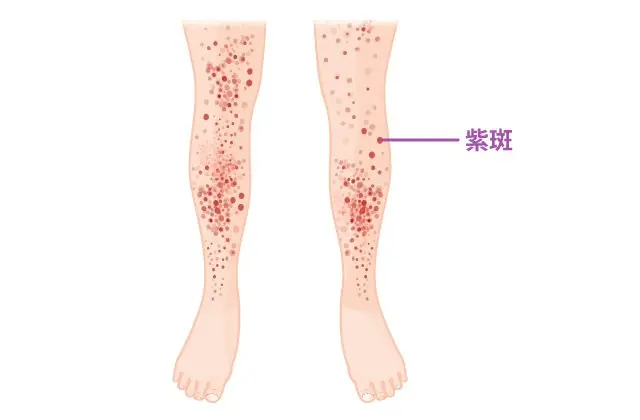
When Intimacy Becomes More Complicated Than Expected
The phrase “sleeping with the wrong person” does not always mean being involved with someone who is obviously dangerous or unkind. Sometimes it refers to a person who seemed caring at first but later revealed a lack of honesty. In other situations, it describes a relationship that began with mutual attraction but became painful because the two people wanted different things.
The consequences can be emotional, physical, social, and practical. They may affect a person's confidence, their ability to trust future partners, their friendships, and even their willingness to seek medical care.
At the same time, it is important to remember that consensual intimacy is not inherently harmful. Healthy relationships can provide affection, companionship, pleasure, and emotional security. The problems discussed here arise when intimacy takes place without adequate communication, respect, informed consent, or appropriate health precautions.
The image of the person's legs should be understood separately from the relationship story. It shows a skin condition that deserves medical attention if it is real and current, but it does not prove anything about the person's sexual history.
The following sections examine the possible consequences of an unhealthy intimate relationship, the health concerns people should understand, and the steps that can help prevent a difficult experience from becoming a lasting problem.
The Emotional Consequences That May Appear Afterward
One of the most difficult consequences of an unhealthy intimate relationship is emotional uncertainty.
A person may enter a relationship believing that both partners share the same expectations. One may imagine a committed partnership, while the other sees the connection as casual. Neither expectation is automatically wrong, but failing to communicate about it can create a painful imbalance.
After intimacy, the person who hoped for a deeper relationship may begin asking questions.
Why has the other person become distant? Why are messages no longer answered promptly? Why does someone who once seemed affectionate now behave as if nothing meaningful happened?
These questions can become exhausting when there is no clear explanation.
The person may replay conversations, examine small details, and wonder whether they misunderstood the situation. They may blame themselves for becoming emotionally attached or believe they should have recognized the other person's intentions earlier.
This kind of uncertainty can affect sleep, concentration, and daily routines. Someone who normally feels confident may suddenly become preoccupied with whether they are attractive, interesting, or worthy of affection.
The important point is that emotional pain does not mean a person made an inherently wrong decision. It means that an experience did not meet their expectations or that their vulnerability was not treated with care.
A healthy response begins with acknowledging the feelings rather than dismissing them.
People do not need to pretend that an experience was meaningless simply because the relationship did not continue. They are allowed to feel disappointed, confused, or hurt.
When Trust Is Broken
Trust is often more fragile than attraction.
Attraction may develop quickly, but trust usually requires time, consistency, and honest communication. When someone discovers that a partner has lied about important matters, the emotional consequences can extend beyond the relationship itself.
A person may begin questioning not only the partner's words but also their own judgment.
They may wonder whether previous affectionate moments were genuine. They may question whether promises were made sincerely or simply used to obtain attention.
This uncertainty can become especially painful when the relationship involved significant personal disclosure. Sharing private fears, family difficulties, personal history, or intimate photographs creates vulnerability.
If that information is later used to embarrass, manipulate, or control someone, the betrayal can feel much deeper than an ordinary disagreement.
A person's private information should never become a weapon.
Healthy partners respect confidentiality. They do not threaten to expose intimate details, share private photographs without permission, or use emotional disclosures to gain power during an argument.
When trust has been broken, rebuilding it requires more than an apology. It requires consistent behavior, accountability, and a genuine willingness to respect boundaries.
Some relationships can recover from a breach of trust. Others cannot. The person who has been hurt is not obligated to remain in a relationship simply because the other partner says they are sorry.
The Difference Between Regret and Shame
Regret and shame are often confused, but they are not the same.
Regret usually focuses on a particular decision: “I wish I had handled that situation differently.”
Shame attacks a person's identity: “I am foolish, unworthy, or damaged because this happened.”
The first can help someone learn. The second can make recovery much more difficult.
People sometimes feel ashamed after an intimate experience because of cultural expectations, family beliefs, religious values, or fear of being judged by others. They may believe that one decision has permanently changed their value.
That belief is not true.