The Most Important Lesson: Protect Your Health Without Judging Others
The story suggested by the headline is about the consequences of intimacy, but the photograph reminds us of something equally important: visible symptoms should never become a reason to shame someone.
A person with a rash may be dealing with a skin condition, an inflammatory illness, a medication reaction, or another medical issue. Their appearance does not reveal their relationship history or personal choices.
Likewise, someone who has experienced a difficult relationship should not be treated as though they are responsible for another person's dishonesty or disrespect.
The most useful response to an intimate health concern is compassion combined with practical action.
That means seeking medical advice when symptoms appear, using appropriate protection, discussing expectations honestly, respecting consent, and protecting personal privacy.
It also means recognizing that healthy intimacy is possible.
When two people communicate openly and treat each other with care, intimacy can strengthen a relationship rather than damage it.
The consequences of sleeping with the wrong person are not inevitable. Many difficult experiences can be prevented through informed decisions, and many painful experiences can be followed by healing.
A single relationship does not define a person's future.
What matters most is learning from the experience, protecting one's health, and remembering that every person deserves respect, honesty, and the freedom to make decisions without pressure.
Common Myths That Can Make the Situation Worse
When people experience an unexpected health concern after intimacy, they may encounter misinformation that increases fear rather than helping them understand what is happening.
One common myth is that a person can identify an STI by looking at someone's skin.
This is incorrect. Many infections have no visible symptoms, and many visible skin conditions are unrelated to sexual contact. A photograph cannot establish whether someone has an infection.
Another myth is that only people with many sexual partners need to worry about STI prevention.
In reality, anyone who is sexually active can potentially acquire an infection. Risk depends on several factors, including the type of contact, whether protection was used, whether a partner has an infection, and whether testing has been performed.
A third myth is that asking a partner to use a condom means there is no trust.
In a healthy relationship, protection should be understood as a shared responsibility. Both partners benefit from reducing health risks.
A fourth myth is that a person who has no symptoms must be healthy.
Some infections can remain unnoticed. Testing is therefore important when recommended by a healthcare professional, even if someone feels completely well.
Finally, some people believe that a painful relationship experience means they should never become intimate again.
That is not necessary.
A person may choose to take time away from dating, focus on personal goals, or gradually begin a new relationship when they feel ready. There is no single correct timeline for recovery.
The goal should be to make future decisions from a place of confidence and understanding rather than fear.
How Couples Can Build Better Communication
Communication is not simply about talking more. It is about creating an environment where both people can speak honestly without fear of punishment.
A useful conversation about intimacy can begin with simple questions.
What makes each person feel comfortable? What boundaries are important? What does each person hope the relationship will become? Are there concerns about health, contraception, or privacy that should be discussed?
These questions do not need to be asked all at once.
They can be part of an ongoing conversation that develops as trust grows.
Listening is just as important as speaking. A partner who immediately dismisses concerns or changes the subject may not be ready to have the kind of relationship the other person wants.
By contrast, someone who listens carefully and responds respectfully can help create a sense of emotional safety.
Communication also means being honest when expectations change.
A person may initially want a casual relationship and later develop stronger feelings. Another person may realize that they are not ready for commitment.
These changes can be disappointing, but honesty is more respectful than pretending to feel something that is not true.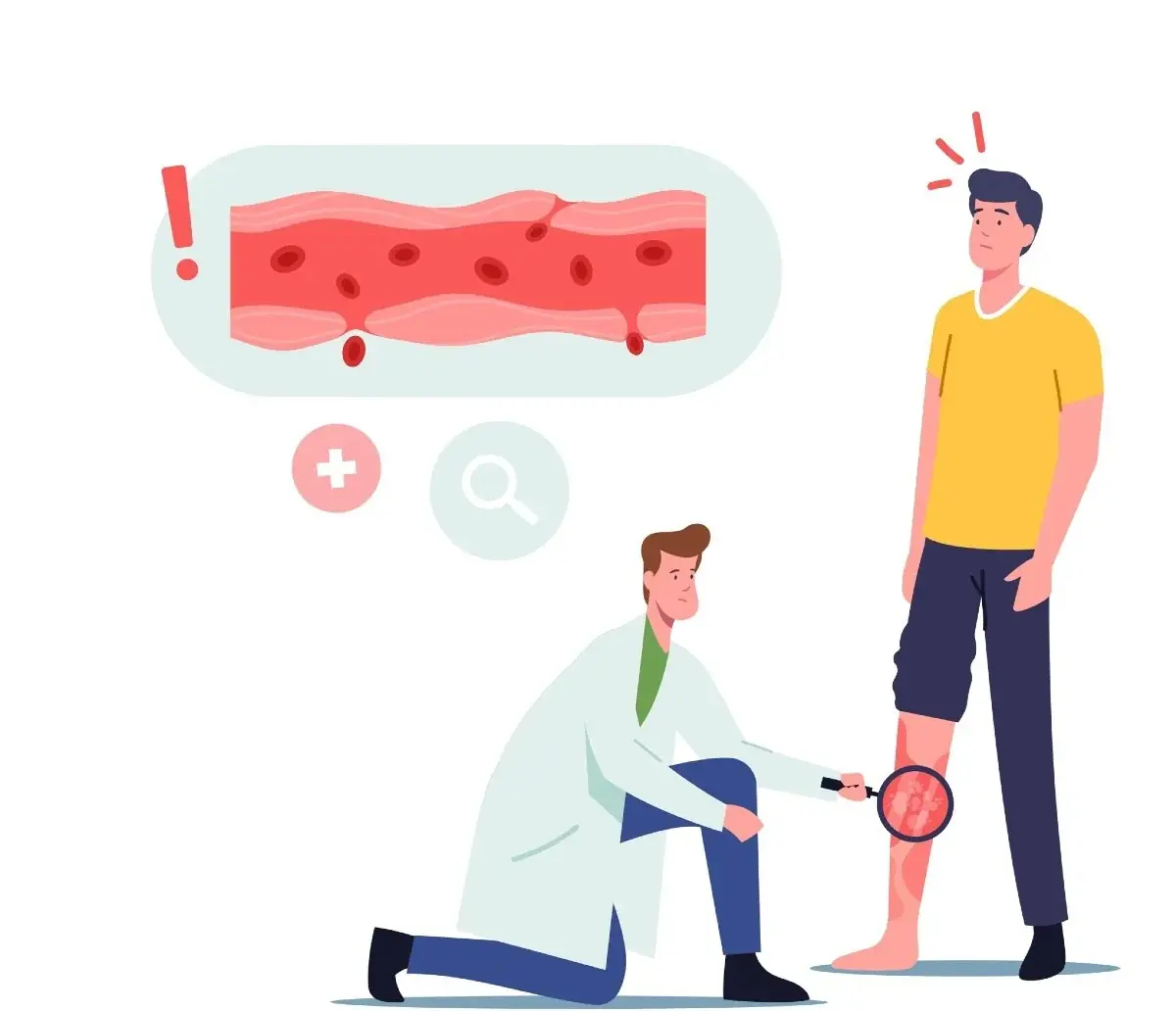
Why Self-Respect Matters After a Relationship Ends
After a difficult relationship, people sometimes focus entirely on what the other person did.
That may be understandable, especially when the experience involved betrayal or manipulation. However, eventually it can be helpful to turn attention toward personal recovery.
Self-respect does not mean pretending to be unaffected.
It means recognizing that pain does not make someone weak and that setting boundaries is not an act of selfishness.
A person can decide not to respond to repeated messages, not to continue an unhealthy relationship, or not to explain private decisions to everyone who asks.
They can also choose to seek counseling or speak with someone they trust.
The process of rebuilding confidence may involve returning to hobbies, spending time with friends, exercising, learning something new, or simply allowing time for emotions to settle.
Small routines can help restore a sense of stability.
Most importantly, a person should remember that being treated poorly does not mean they deserved poor treatment.
The responsibility for manipulation, coercion, or dishonesty belongs to the person who chose those behaviors.
A Final Reminder About the Photograph
The photograph of the legs is powerful because it shows a visible change that many people might find alarming.
But the image alone cannot tell us what caused it.
It does not prove that the person has a sexually transmitted infection, that the rash appeared after intimacy, or that a particular partner was responsible.
The article's discussion of sexual health is relevant to the headline, but the rash must be assessed on its own medical merits.
If a real person has similar unexplained red or purple spots, especially if they are new or do not fade under pressure, they should seek medical advice promptly. Severe illness or rapidly worsening symptoms require urgent care.
A responsible article should never turn a medical photograph into a sensational diagnosis.
The real message is more useful and more humane: intimacy deserves respect, health concerns deserve proper evaluation, and no one should be judged by an image that cannot tell their full story.