Leaf of Life – The Healing Plant Growing in Your Backyard
Imagine a plant growing quietly in your garden that has been valued for centuries as a natural healer. Known commonly as the Leaf of Life, this humble succulent—scientifically named Kalanchoe pinnata—has a long tradition of use in herbal medicine across many cultures.
What Is the Leaf of Life?
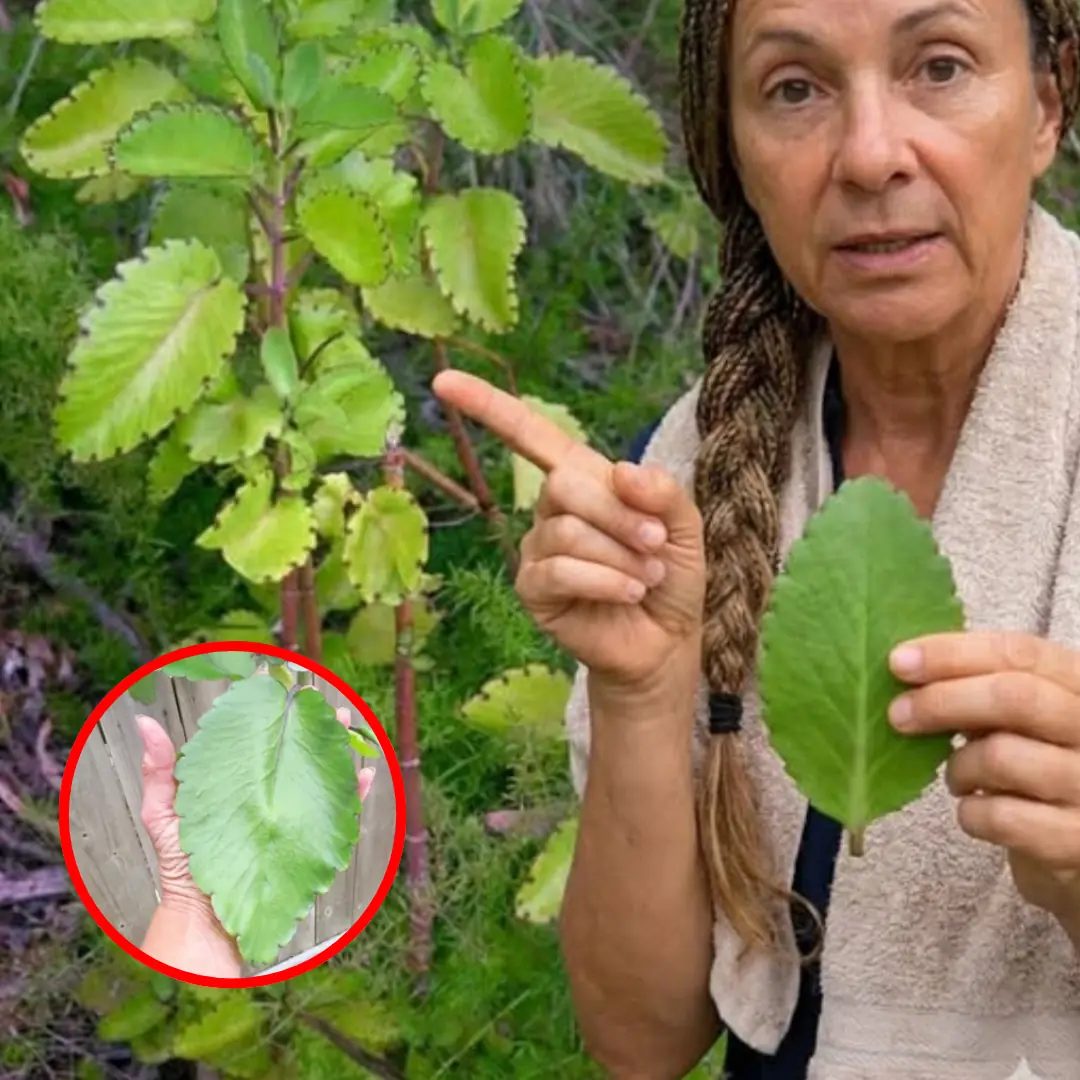
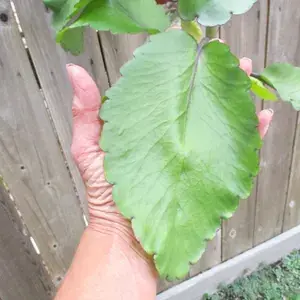
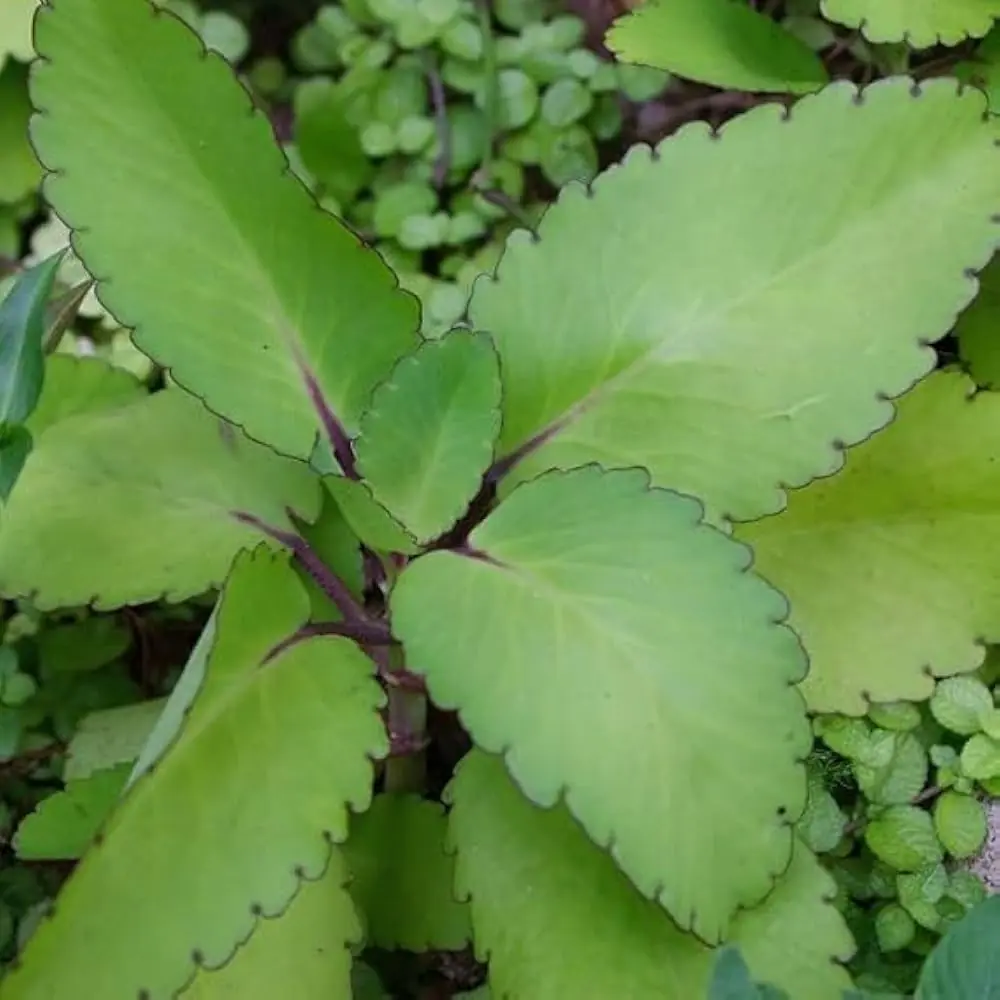
The Leaf of Life is a perennial succulent native to Madagascar and has since spread to tropical and subtropical regions around the world. It is recognized by its thick, fleshy leaves that can easily produce new plantlets, giving it names like miracle leaf or life plant.
Traditional Uses Through History
For generations, traditional healers have employed the leaves of the Leaf of Life to treat a variety of ailments. In folk medicine, it has been used:
- Externally to soothe minor wounds, cuts, and skin irritations.
- Internally as a herbal infusion for respiratory discomforts like coughs and bronchitis.
- In holistic practices to support general well‑being and to ease inflammation.
These uses reflect the plant’s longstanding reputation in community‑based healing traditions in regions such as India, the Caribbean, and parts of South America.
What Does Science Say?
While the Leaf of Life has rich historical backing, modern scientific evidence remains limited. Some preclinical research suggests that compounds in the leaves may exhibit anti‑inflammatory and antimicrobial properties, which could explain why the plant is used topically for minor skin problems.
However, credible clinical trials confirming broad health benefits in humans—such as curing serious diseases—do not currently exist. In fact, authoritative sources caution that claims of internal therapeutic effects are mostly rooted in traditional use rather than scientific validation.
How People Commonly Use It at Home
Many backyard gardeners and herbalists use Leaf of Life in simple, traditional ways:
- Poultices: Crushing fresh leaves and applying them directly onto minor cuts or irritations.
- Tea Infusions: Steeping leaves in hot water to make a mild herbal tea.
- Plant Topicals: Rubbing leaf juice on sore joints for temporary relief of mild inflammation.
These methods are easy and affordable, which contributes to the popularity of this plant in home gardens.
Safety and Precautions
Even though the Leaf of Life is natural, it isn’t free of risk. The plant contains compounds that may affect heart function in high doses, and there is no established medical dosage for any internal use. Therefore, it’s important to consult a healthcare provider before using it for health purposes.
Bottom Line
The Leaf of Life is more than just a backyard succulent—it’s a plant with a rich cultural heritage and a reputation as a natural healer in traditional medicine. Although many of its claimed benefits are yet to be confirmed by rigorous clinical research, its topical applications and ease of cultivation make it a plant worth knowing.