A rice cooker is one of the most essential appliances in many households. However, over time, it can develop unpleasant odors caused by leftover moisture, food residue, or improper cleaning. The good news is that you don’t need expensive cleaning products or complicated methods. With just one common kitchen ingredient and 15 minutes of your time, you can completely remove the smell and prevent it from coming back.
Why Does a Rice Cooker Start to Smell?
Before fixing the problem, it’s important to understand the cause. A foul odor in your rice cooker usually comes from:
- Residual starch and food particles stuck to the inner pot
- Moisture buildup that encourages bacteria and mold growth
- Improper drying after washing
- Old rice residue left for too long
When these factors combine, they create a sour or musty smell that can affect the taste of your rice.
The Simple Ingredient That Works Wonders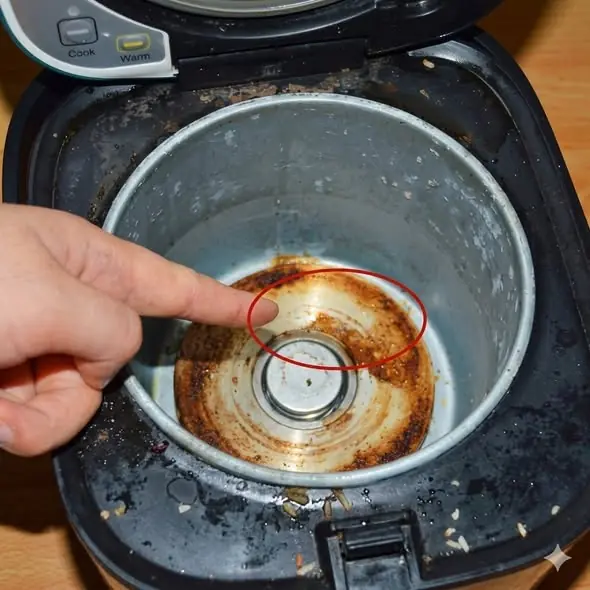
One of the most effective and affordable solutions is white vinegar. This common kitchen staple is known for its natural antibacterial properties and its ability to neutralize odors.
Why vinegar works:
- It kills odor-causing bacteria
- It breaks down stubborn residue
- It neutralizes strong smells instead of just masking them
Step-by-Step Guide to Clean Your Rice Cooker
Follow these simple steps to restore your rice cooker in just 15 minutes:
1. Prepare the Solution
Mix one cup of water with two tablespoons of white vinegar directly in the inner pot.
2. Heat the Mixture
Turn on the rice cooker and let the solution heat for about 5–10 minutes. This helps loosen residue and disinfect the interior.
3. Let It Sit
After heating, unplug the cooker and let the mixture sit for another 5 minutes. This allows the vinegar to fully neutralize odors.
4. Gently Scrub
Use a soft sponge to clean the inner pot. Avoid abrasive materials to prevent damaging the non-stick coating.
5. Rinse and Dry
Rinse thoroughly with clean water and dry completely with a clean cloth. Leave the lid open for a few minutes to air out.
Additional Areas You Shouldn’t Ignore
Many people focus only on the inner pot, but odors can come from other parts as well:
- Lid and rubber seal: These trap moisture and bacteria
- Steam vent: Often overlooked but a common source of smell
- Outer heating plate: Needs to stay clean and dry
Wipe these areas gently with a damp cloth and dry them thoroughly.
How to Prevent Bad Odors in the Future
Cleaning once is not enough—you need proper habits to keep your rice cooker fresh:
Always Clean After Use
Don’t leave leftover rice inside for hours. Clean the pot as soon as it cools down.
Dry Completely
Moisture is the main cause of bad smells. Always dry all parts before reassembling.
Leave the Lid Open
After cleaning, leave the lid slightly open to allow air circulation.
Avoid Harsh Chemicals
Strong cleaners can damage the coating and leave unwanted residues.
Use Vinegar Regularly
A quick vinegar rinse once a week can prevent odor buildup.
Common Mistakes to Avoid
Even with good intentions, some habits can make the problem worse:
- Scrubbing too hard and damaging the non-stick surface
- Using too much water, causing internal moisture buildup
- Ignoring small stains that later become stubborn residue
- Closing the lid immediately after washing
Avoiding these mistakes will extend the life of your appliance.
When to Replace the Inner Pot
If the smell persists even after multiple cleanings, it might be time to check the condition of your inner pot. Signs you may need a replacement include:
- Deep scratches or peeling coating
- Persistent burnt smell
- Discoloration that won’t come off
A damaged pot can harbor bacteria and affect food quality.
Final Thoughts
A smelly rice cooker is a common but easily fixable problem. With just one simple ingredient—vinegar—you can eliminate odors in as little as 15 minutes. More importantly, adopting proper cleaning habits will ensure your rice stays fresh, safe, and delicious every time.
Instead of replacing your appliance or tolerating unpleasant smells, try this quick and effective method today. Sometimes, the simplest solutions are the most powerful.