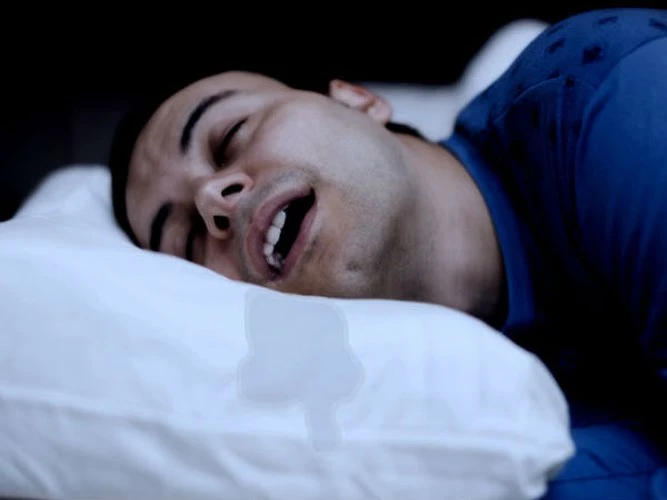
Waking up to find your pillow damp with saliva can be uncomfortable and sometimes a little embarrassing. Nighttime drooling, also known as sleep-related hypersalivation, is actually quite common and often harmless. However, in some cases, it may point to underlying factors that are worth understanding.
Drooling occurs when saliva escapes from the mouth during sleep. This can happen due to body position, muscle relaxation, or changes in breathing patterns. While occasional drooling is normal, frequent or excessive drooling may indicate a deeper issue.

What Causes Drooling During Sleep?
During sleep, especially in deeper stages, the muscles that control swallowing and facial movement relax. At the same time, saliva continues to be produced. If the body doesn’t swallow it efficiently, it can accumulate and eventually escape from the mouth.
Several factors can increase the likelihood of this happening.
1. Sleeping Position
One of the most common causes of nighttime drooling is simply the way you sleep.
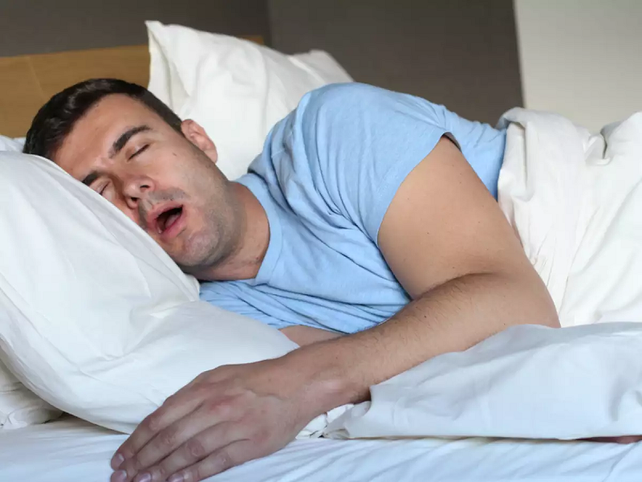
Sleeping on your side or stomach makes it easier for saliva to flow out of the mouth due to gravity. In contrast, sleeping on your back allows saliva to stay in the mouth and be swallowed more easily.
If drooling is mild and only happens occasionally, your sleeping position is likely the main reason.
2. Nasal Congestion or Blocked Airways
When your nose is congested, your body may rely more on mouth breathing during sleep.
This can lead to:
- Increased saliva escaping from the mouth
- Reduced swallowing frequency
- Greater likelihood of drooling
Common causes of nasal congestion include allergies, colds, or sinus issues.
3. Deep Sleep and Muscle Relaxation
During deep sleep, the body enters a highly relaxed state.
This includes:
- Reduced muscle control
- Less frequent swallowing
- Increased saliva pooling
People who experience very deep sleep cycles may be more prone to drooling, especially if combined with other factors.
4. Gastroesophageal Reflux (GERD)
GERD, or acid reflux, can sometimes contribute to drooling.
When stomach acid flows back into the esophagus, the body may respond by producing more saliva to neutralize the acid. This excess saliva can lead to drooling during sleep.
Other signs of GERD may include:
- Heartburn
- Chest discomfort
- Sour taste in the mouth
5. Certain Medications
Some medications can increase saliva production or affect muscle control, leading to drooling.
These may include:
- Sedatives
- Certain psychiatric medications
- Drugs that affect the nervous system
If drooling begins after starting a new medication, it may be worth discussing with a healthcare provider.
When Should You Be Concerned?
Occasional drooling is usually harmless. However, you should consider seeking medical advice if:
- Drooling happens frequently or excessively
- It interferes with sleep quality
- It is accompanied by difficulty swallowing
- Other unusual symptoms are present
Early evaluation can help identify and address any underlying issues.
How to Reduce Nighttime Drooling
Depending on the cause, several simple strategies may help:
- Try sleeping on your back
- Address nasal congestion (e.g., using humidifiers or nasal rinses)
- Maintain good sleep hygiene
- Avoid heavy meals before bedtime
- Review medications with a doctor if necessary
Small adjustments can often make a noticeable difference.
Final Thoughts
Nighttime drooling is more common than many people realize and is often linked to simple factors like sleep position or nasal congestion. In most cases, it’s nothing to worry about.
However, persistent or excessive drooling can sometimes signal an underlying issue that deserves attention. Understanding the potential causes allows you to take appropriate steps—whether that means adjusting your sleep habits or seeking medical advice.
Your body often communicates through small signs, and even something as simple as drooling can offer insight into your overall health.