Doctors Reveal What Happens When You Eat Cashews
Cashews are more than just a tasty snack. They’re creamy, crunchy, and perfectly satisfying, making them a favorite for millions around the world. But while most people enjoy them for their flavor, doctors and nutritionists are increasingly highlighting what happens inside your body when you eat cashews—both the benefits and the precautions you should know.
Let’s take a closer look at the surprising effects of these popular nuts.
1. Cashews Are Nutrient Powerhouses

Cashews may look small, but they’re packed with essential nutrients. A handful of cashews provides a significant dose of:
- Healthy fats: Mostly monounsaturated and polyunsaturated fats, which support heart health.
- Protein: Essential for muscle repair and overall body function.
- Minerals: Cashews are rich in magnesium, copper, manganese, phosphorus, and zinc.
- Vitamins: They provide vitamin K, vitamin B6, and small amounts of vitamin E.
Doctors note that these nutrients are vital for bone health, energy production, and maintaining a healthy immune system. For example, magnesium and copper play crucial roles in maintaining strong bones and supporting metabolic functions.
2. Heart Health Benefits
Eating cashews in moderation may support your cardiovascular system. Here’s why:
- The healthy fats in cashews can help reduce “bad” LDL cholesterol and increase “good” HDL cholesterol.
- Magnesium in cashews helps regulate blood pressure, a key factor in heart health.
- Antioxidants in cashews, including vitamin E and certain phenolic compounds, protect blood vessels from oxidative damage.
Several studies suggest that regular, moderate consumption of nuts, including cashews, can lower the risk of heart disease and improve overall cardiovascular markers.
3. Cashews and Weight Management
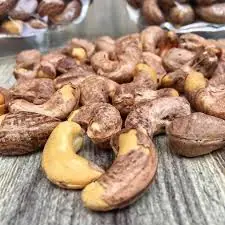
You might think nuts are fattening, but research tells a different story. Cashews are energy-dense, yes, but their healthy fats, protein, and fiber can actually help with appetite control.
- Eating a small portion of cashews may reduce cravings and keep you fuller for longer.
- The body does not absorb all the calories in nuts due to their fibrous cell walls, meaning you may consume fewer calories than you think.
Doctors emphasize that moderation is key: a handful (about 1 ounce or 28 grams) is usually enough to reap benefits without overdoing calories.
4. Blood Sugar Regulation
Cashews have a relatively low glycemic index, which means they don’t cause rapid spikes in blood sugar. In fact:
- The healthy fats and protein in cashews can slow digestion and absorption of carbohydrates, stabilizing blood sugar levels.
- Magnesium in cashews also helps improve insulin sensitivity, which is beneficial for people with type 2 diabetes.
However, people with diabetes should still monitor portion sizes, as overconsumption of any nut can contribute to excess calorie intake.
5. Bone and Joint Health
Cashews are particularly rich in magnesium, copper, and phosphorus, all of which are crucial for maintaining healthy bones.
- Magnesium helps regulate calcium levels and supports bone density.
- Copper contributes to the formation of collagen and elastin, proteins that maintain connective tissue strength.
- Phosphorus plays a role in bone mineralization and overall skeletal health.
Eating cashews regularly can support long-term bone strength, making them an excellent addition to a diet focused on preventing osteoporosis or joint problems.
6. Skin and Hair Benefits
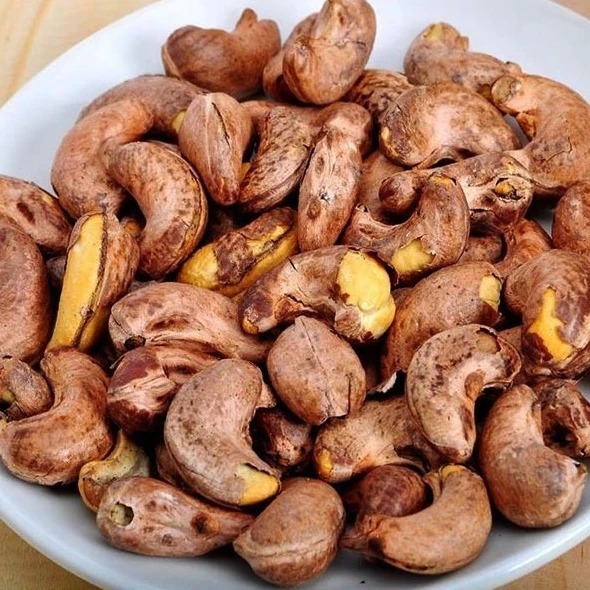
Cashews aren’t just good for your insides—they can also improve your outward appearance.
- Copper helps the body produce melanin, the pigment responsible for healthy skin and hair color.
- Antioxidants in cashews help combat oxidative stress, which can reduce signs of aging.
- Vitamin E supports skin repair and elasticity, keeping your skin smooth and nourished.
Regular cashew consumption can contribute to a natural glow and stronger hair over time.
7. Potential Downsides
While cashews are healthy, doctors warn about some potential risks:
- Allergies: Cashews are a tree nut, and allergies can cause severe reactions, including anaphylaxis.
- High in calories: Overeating cashews can lead to weight gain due to their energy density.
- Salted or flavored varieties: Many store-bought cashews are roasted with salt, sugar, or oils, which may negate some health benefits.
Tip: Stick to raw or dry-roasted unsalted cashews and watch portion sizes. A small handful daily is usually sufficient.
8. Cashews and Gut Health
Cashews contain prebiotic fibers that support healthy gut bacteria, improving digestion and nutrient absorption. A balanced gut microbiome is linked to better immune function, mood regulation, and reduced inflammation.
Doctors note that incorporating cashews as part of a varied, fiber-rich diet is more beneficial than relying on nuts alone for digestive health.
9. Who Should Be Careful
Although cashews are generally safe, certain groups should exercise caution:
- People with nut allergies should avoid cashews entirely.
- Individuals on weight-loss plans should measure portions carefully.
- Those with kidney problems may need to monitor magnesium and potassium intake.
For most healthy adults, though, cashews are a nutritious, safe, and tasty addition to the diet.
How to Include Cashews in Your Diet
Cashews are incredibly versatile. Here are some ways doctors and nutritionists recommend eating them:
- As a snack: A handful of raw or dry-roasted cashews between meals.
- In smoothies: Add a few cashews to boost creaminess and protein.
- In cooking: Use cashews in stir-fries, curries, or salads for crunch and flavor.
- Cashew butter: Spread on toast or add to sauces for a nutrient boost.
The key is moderation and balance—pairing cashews with fruits, vegetables, or whole grains for maximum benefit.
The Bottom Line
Cashews are more than just a tasty treat. They offer a wide range of benefits:
- Supporting heart health and blood sugar balance
- Strengthening bones and joints
- Promoting healthy skin and hair
- Supporting gut health and appetite control
Doctors agree: eating cashews in moderation—preferably raw or dry-roasted—is a simple, natural way to boost overall health.
But remember, too much of anything can be harmful. Stick to a handful a day, avoid heavily salted or flavored versions, and listen to your body.
Next time you reach for a snack, consider the humble cashew—it might just do more for your body than you realize.