
What Eating Onions Really Does to Your Body, According to Doctors
What Eating Onions Really Does to Your Body, According to Doctors
Food 04/04/2026 10:29
100% tomato juice is loaded with vitamins, minerals, and antioxidants. But some brands contain high levels of sodium and added sugars, which can increase the calorie content.
Tomato juice is a popular beverage that provides a wide variety of vitamins, minerals, and potent antioxidants.
It’s particularly rich in lycopene, a powerful antioxidant with impressive health benefits.
However, some believe that tomato juice may not be as healthy as whole tomatoes due to the high sodium content found in certain brands.
This article discusses the potential health benefits and downsides of tomato juice.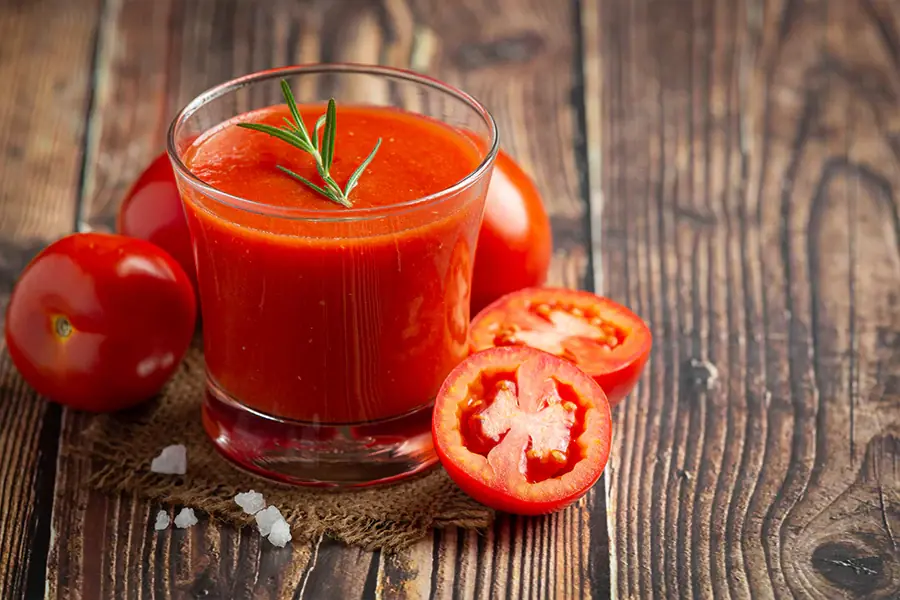
Tomato juice is a popular drink, made from the juice of fresh tomatoes.
Though you can buy pure tomato juice, many popular products combine it with the juice of other vegetables like celery, carrots, and beets.
Here is the nutrition information for 1 cup (240 ml) of 100% canned tomato juice:
As you can see, tomato juice is highly nutritious and packs in many important vitamins and minerals.
For example, drinking just 1 cup (240 ml) of tomato juice nearly covers your daily needs for vitamin C and provides a significant amount of vitamin A.
Vitamin A is essential for healthy vision and tissue maintenance.
Tomato juice also contains carotenoids, which act as powerful antioxidants, protecting your cells from damage caused by free radicals.
Free radical damage has been linked to chronic conditions like heart disease and plays a role in aging.
Additionally, tomato juice is rich in magnesium and potassium — two minerals important for heart health.
It’s also a good source of B vitamins, including folate and vitamin B6, which support metabolism and other essential functions.
Summary: Tomato juice is rich in essential nutrients, including vitamin C, vitamin A, B vitamins, potassium, and magnesium.

Tomato juice is a concentrated source of powerful antioxidants like lycopene, a plant pigment linked to many health benefits.
Lycopene helps protect your cells from free radical damage and may reduce inflammation in the body.
Several studies show that drinking tomato juice rich in lycopene can have positive effects on health, especially by lowering inflammation.
Some research also found improvements in cholesterol levels and waist circumference.
Tomato juice also contains vitamin C and beta-carotene, two additional antioxidants with strong anti-inflammatory effects.
Summary: Tomato juice is rich in antioxidants like lycopene, vitamin C, and beta-carotene, which may help reduce inflammation.
Tomatoes are associated with better heart health.
They contain antioxidants like lycopene and beta-carotene, which may help reduce risk factors such as high blood pressure, high cholesterol, and plaque buildup in arteries.
Research suggests that consuming tomato products may lower “bad” LDL cholesterol and improve blood pressure.
Regular intake may also support better blood flow.
Due to its high antioxidant content, tomato juice may help reduce the risk of certain cancers.
Studies have linked higher consumption of tomato products with a lower risk of prostate cancer.
Some laboratory and animal studies also suggest that compounds in tomatoes may slow cancer cell growth.
However, more human research is needed.
Summary: Tomato juice may reduce the risk of heart disease and certain cancers, though more research is needed.
Though tomato juice is nutritious, it also has some drawbacks.
One of the biggest concerns is that many types are high in sodium due to added salt.
Diets high in sodium may contribute to high blood pressure, especially in people who are sensitive to salt.
Tomato juice is also lower in fiber than whole tomatoes, though it still contains more fiber than many other fruit juices.
Some tomato drinks include added sugars or other fruit juices, which can increase calorie and sugar content.
Additionally, people with gastroesophageal reflux disease (GERD) may find that tomato juice worsens their symptoms.
Summary: Some tomato juices are high in sodium and may contain added sugars. They may also aggravate GERD symptoms.
Tomato juice can be a healthy choice for many people.
It’s especially beneficial for those who need more nutrients, such as older adults or smokers.
For example, people who smoke often require more vitamin C, and tomato juice is a convenient source.
It can also be a healthier alternative to sugary drinks like soda or fruit punch.
Choosing 100% tomato juice without added salt or sugar is the best option.
Homemade tomato juice is easy to make.
Simply cook sliced fresh tomatoes for about 30 minutes over medium heat.
Once cooled, blend them until smooth.
You can adjust the texture depending on your preference.
Adding vegetables like celery or herbs like oregano can enhance both flavor and nutrition.
A helpful tip is to add a small amount of olive oil when cooking tomatoes, as it helps your body absorb lycopene more effectively.
Tomato juice is rich in nutrients such as vitamin C, B vitamins, and potassium.
It’s also an excellent source of antioxidants like lycopene, which may reduce inflammation and lower the risk of heart disease and some cancers.
However, it can be high in sodium and sugar depending on the brand, so it’s best to choose 100% tomato juice or make your own at home.
What Eating Onions Really Does to Your Body, According to Doctors

Stop! Don’t Eat Shrimp with These Foods

Radish Danger Zone: 5 Foods That Don’t Mix Well
Foods you should never eat with cucumber — avoid this dangerous combo!

Honey Isn’t for Everyone—Here’s Who Should Be Careful
What Happens When You Eat Bananas, According to Experts 🍌
What Happens When You Snack on Pistachios Every Day

Boiled vs. Fried Eggs: Which Is Healthier?

The Surprising Effects of Eating Fish Regularly on Your Body

Eat Yogurt Before Bed? Here Are 8 Surprising Benefits

Egg Whites vs. Yolks: What’s Healthier and Why?

10 Science-Backed Benefits of Adding Chayote Squash to Your Diet

Peanuts Aren’t Just a Snack — Doctors Warn They May Lead to…
The Truth About Overeating Spicy Foods — What Your Body Experiences
5 Types of Meat You Should Never Eat Raw — And the Dangerous Bacteria and Parasites Lurking Inside

Is Raw Honey Really Better? The Truth About Antioxidants and Pollen
Eating tofu regularly could change your body in unexpected ways…
Discover 10 Fresh Herbs with Amazing Health Perks
Not everyone should eat papaya — see which groups need to be careful.
What Eating Onions Really Does to Your Body, According to Doctors

5 Relationship Mistakes That May Affect Cer.vical Health - Start Making Changes Today

Don’t Ignore Dull Pain Around Your Belly Button – It Could Be Serious

8 Reasons Your Mouth Gets Dry While Sleeping (And What It Means)

The Reason Some People Bring a Lemon - It Can Be Useful in Surprising Ways
Stop! Don’t Eat Shrimp with These Foods

Sweet Potatoes: 8 Things You Need to Know First

Orange Juice: 5 Unexpected Ways It Boosts Your Health

Left Upper Abdominal Pain Explained

What Eating Eggs Every Day Really Does to Your Body

8 Warning Signs Your Kidneys Are in Trouble — Don’t Ignore Them!

Sweet Potato Fans, Don’t Miss This! 🍠 Find Out What You Need to Know Now
Radish Danger Zone: 5 Foods That Don’t Mix Well
Foods you should never eat with cucumber — avoid this dangerous combo!
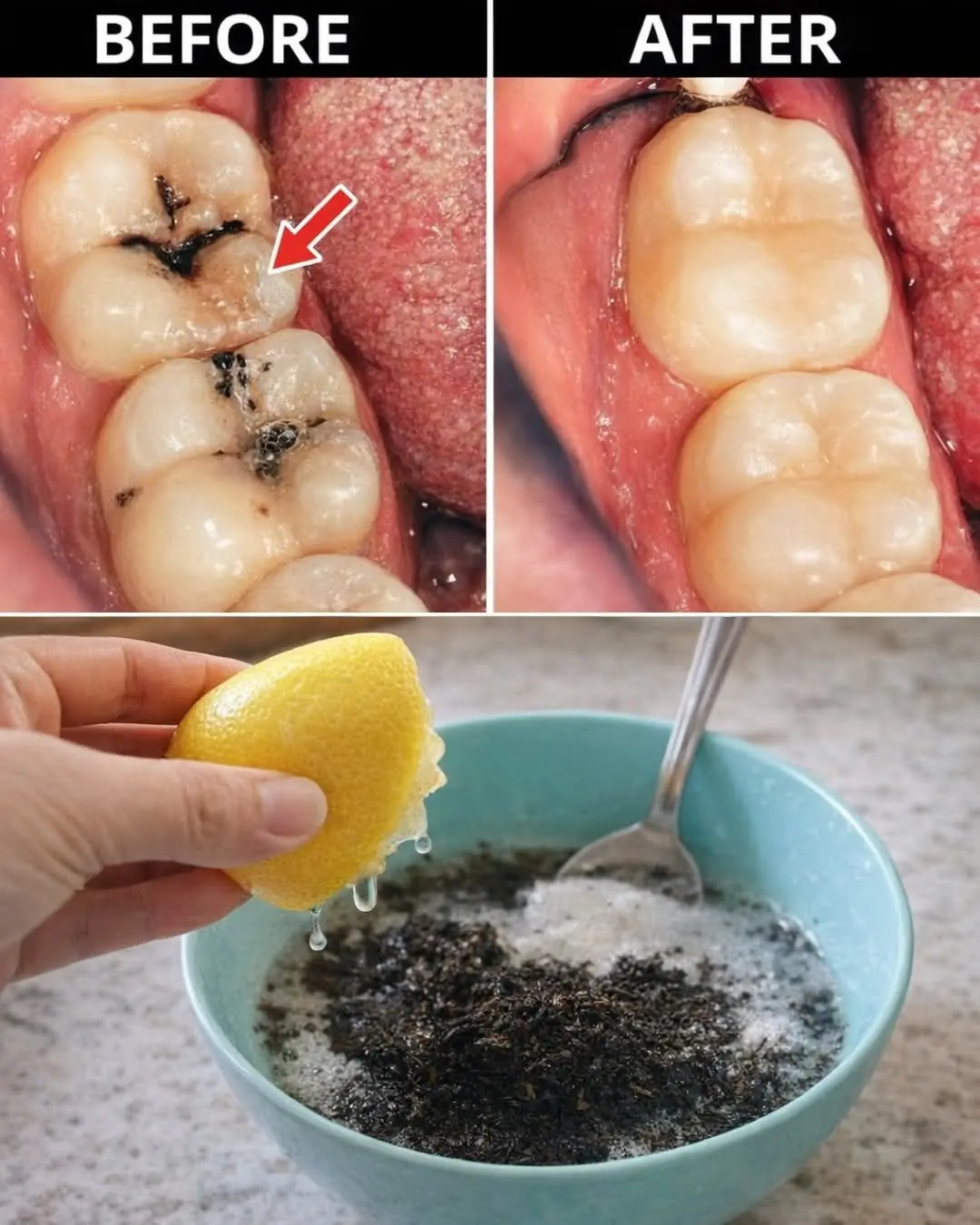
Tooth Decay Might Not Be Permanent

You Can Grow This Exotic Spice at Home

If a snake crawls into your home, these simple items can help drive it out fast

This medicinal leaf is valued for its wide range of health benefits

Eating beets daily: benefits and surprising side effects